Category Archives: Education

Alarm! Alarm!

My bug hunters are on a mission. Find, pick, squish and drown the Japanese Beetles attacking our trees, grapes and kiwi and feed them to the chickens.

Joe came running in the house this morning to report the emergency.

“Alarm! Alarm! Alarm! Alarm! Japanese Beetles in the vineyard.”

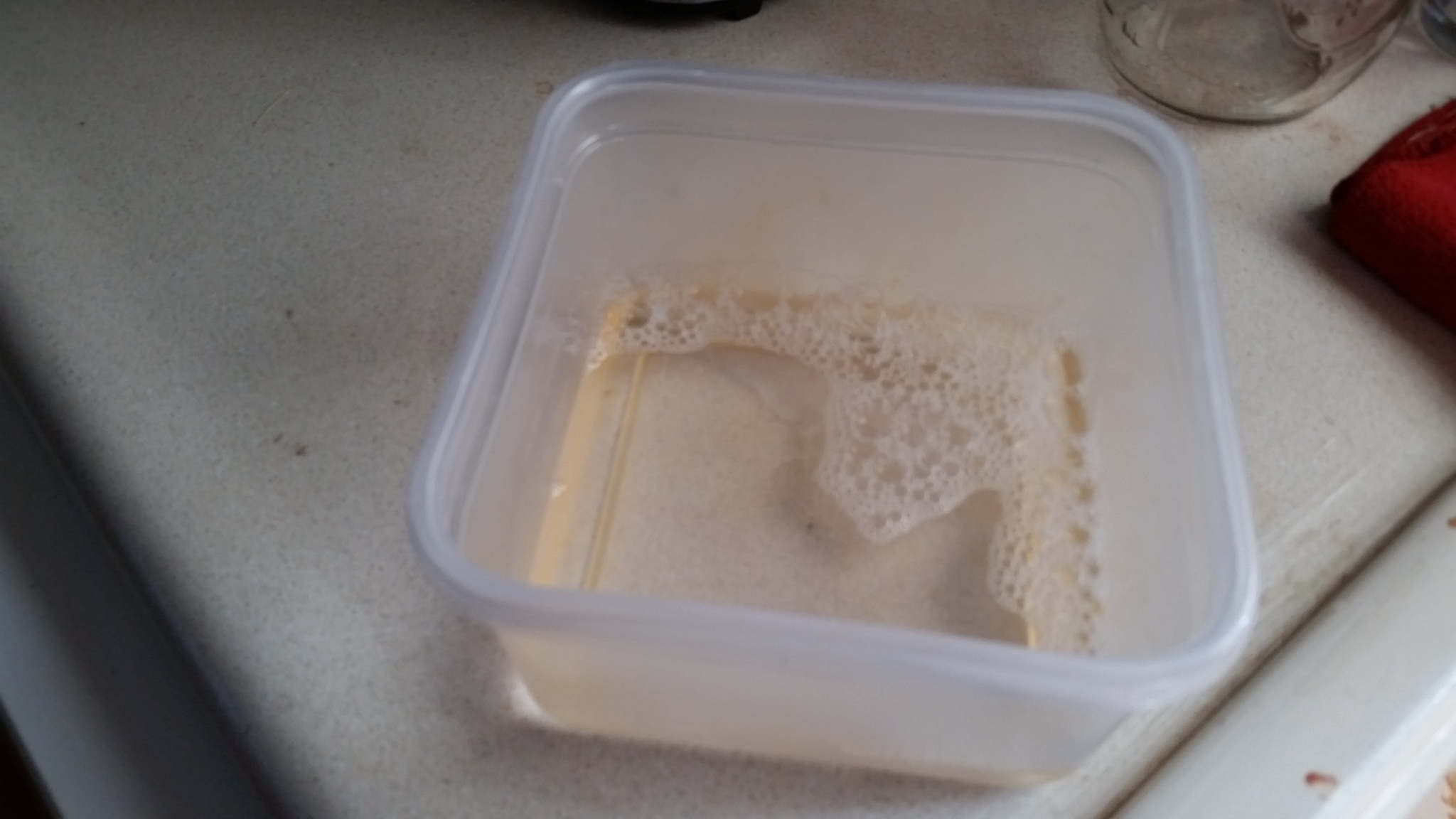
Quick to react, we made the poisonous potion and set out on our morning hunt.
20160623_084315.jpg

Japanese Beetle Poison: Water with dishwashing liquid.

Before the big rain, I saw a few of these evil beetles here and there. I picked them off and fed them to the chickens.

I breathed a sigh of relief; there really weren’t that many.

Maybe this year wouldn’t be as bad as last.

Maybe they’d attack the weeds and grasses in the prairie rather than our fedge, new trees and vineyard.

Maybe we would be able to control and eradicate them easily.

Oh how wrong I was.

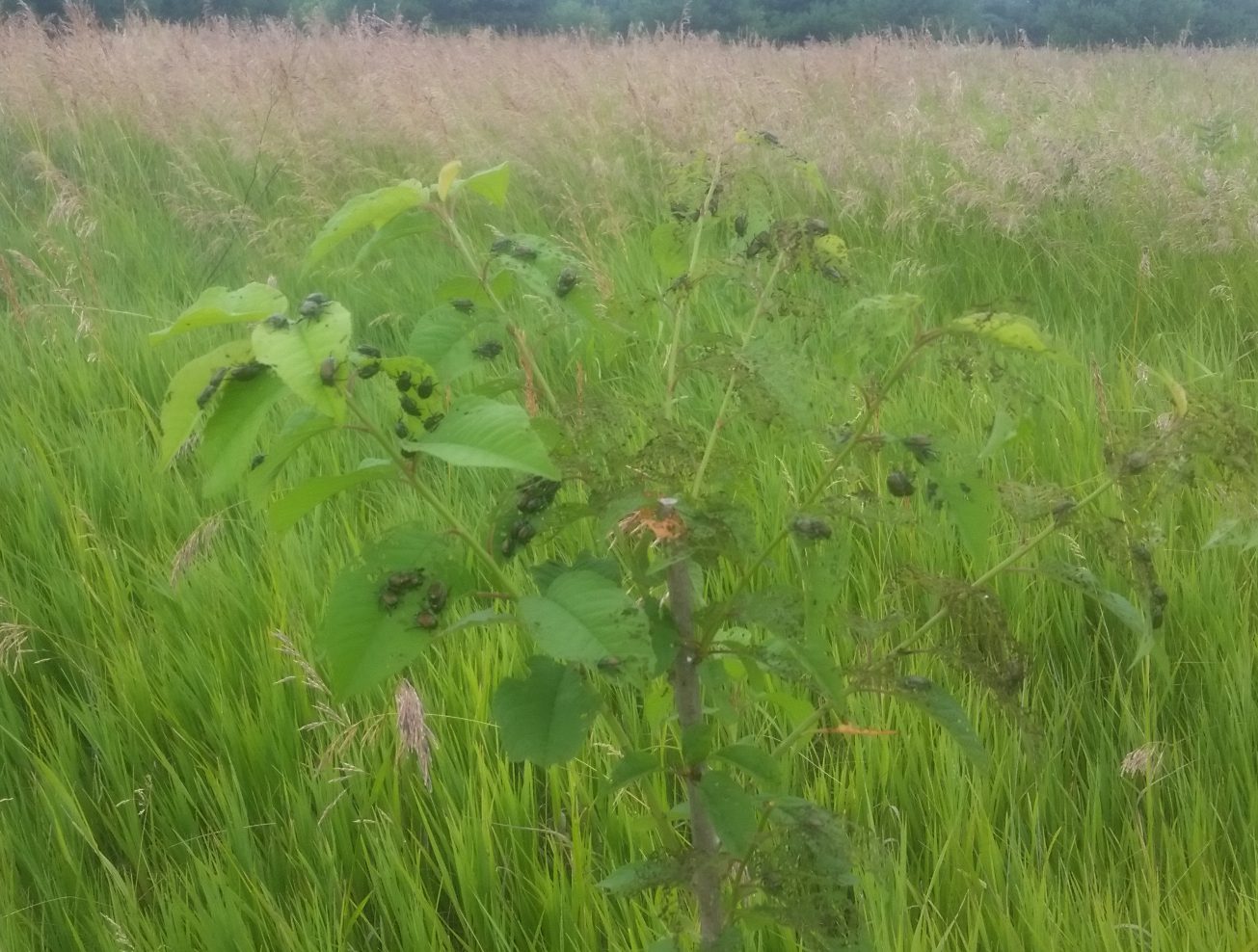
They are everywhere. They attack the trees.
20160623_093011.jpg

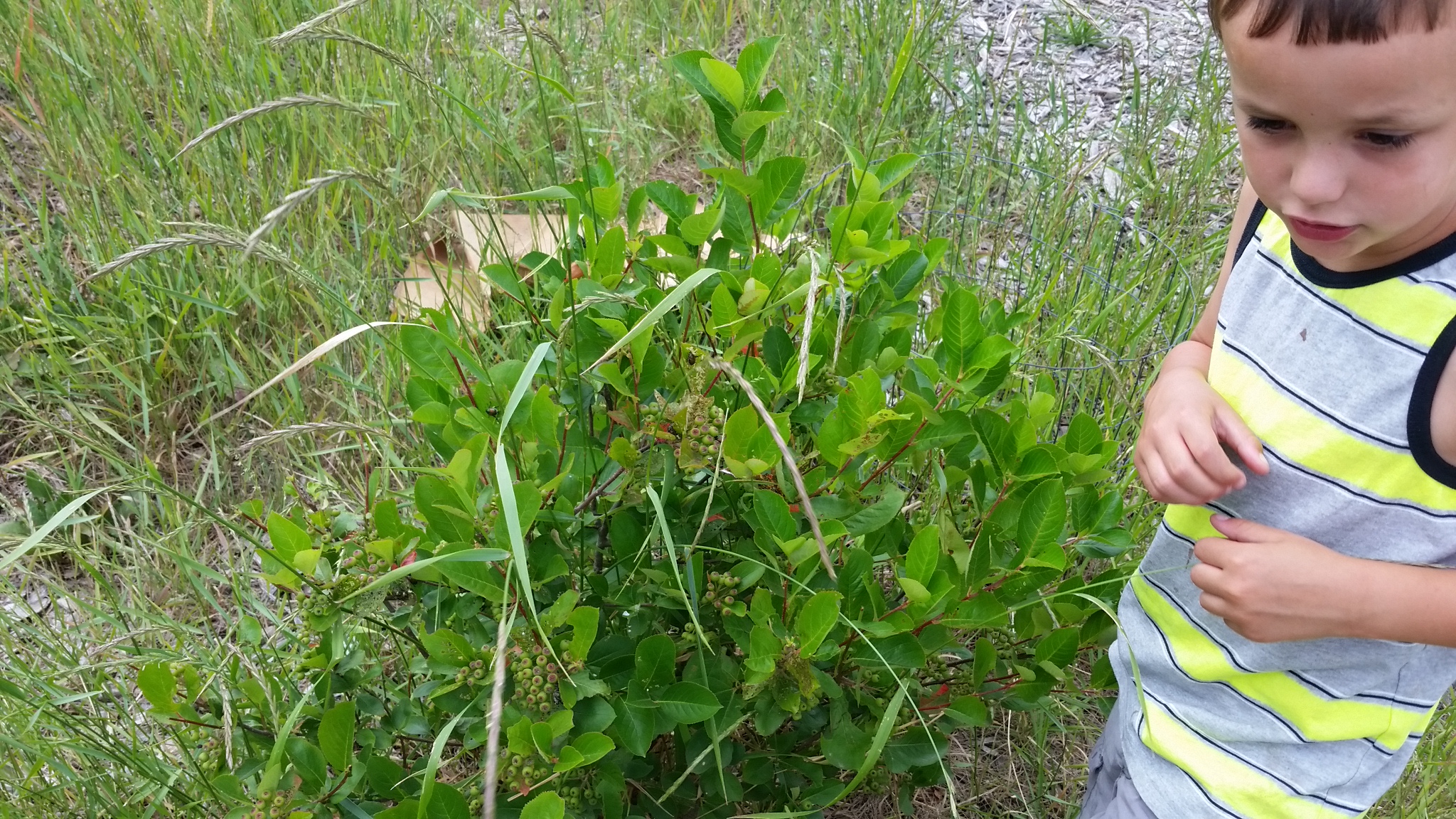
They swarm over the aronia in the fedge. 

20160620_153413.jpg

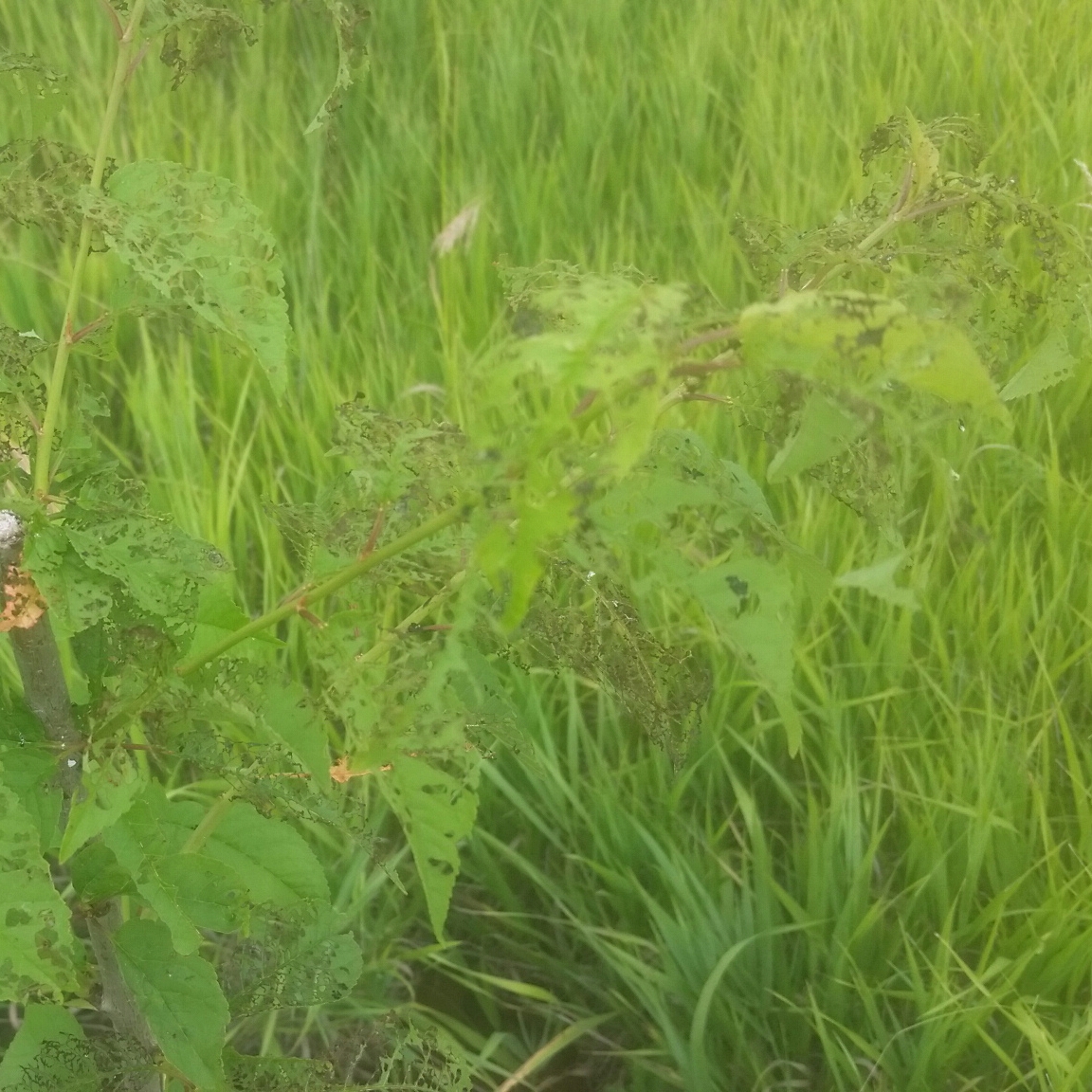
The damage they do in such a short time is devastating. Leaves barely remain, reduced to a wispy skeleton.
20160623_093059-1.jpg

So, every morning we walk through all of our gardens picking them off the plants and drowning them in soapy water.

20160623_092105.jpg

Every afternoon we rally the troops again and head out for a second sweep.

Some soldiers are more helpful than others.

20160623_085234-1.jpg

And then every evening we make the rounds one last time.

It’s not hard work. In fact, it is very satisfying to shake these villains into the poison or squish them with a crunch.

The chickens are sick of them. They turn up their beaks and waddle away in a huff.

20160622_185025.jpg

So…since the chickens aren’t interested anymore, we’ve found a new solution to the disposal problem.

20160623_093419.jpg

Here froggy, froggy
Come up from the deep
Here fishy, fishy
I’ve brought you a treat

Crunchy, yummy beetles
Come and get them now
Crispy little critters
Sweet and tasty chow

An Unplanned Adventure

The boys and I belong to a Forest School Co-op. We meet weekly at a park, forest preserve or nature center to play, explore and experience the great outdoors.

It is pretty amazing what the kids come up with no adult interference. They just play and let their imaginations lead them to new and exciting discoveries.

20160511_105527

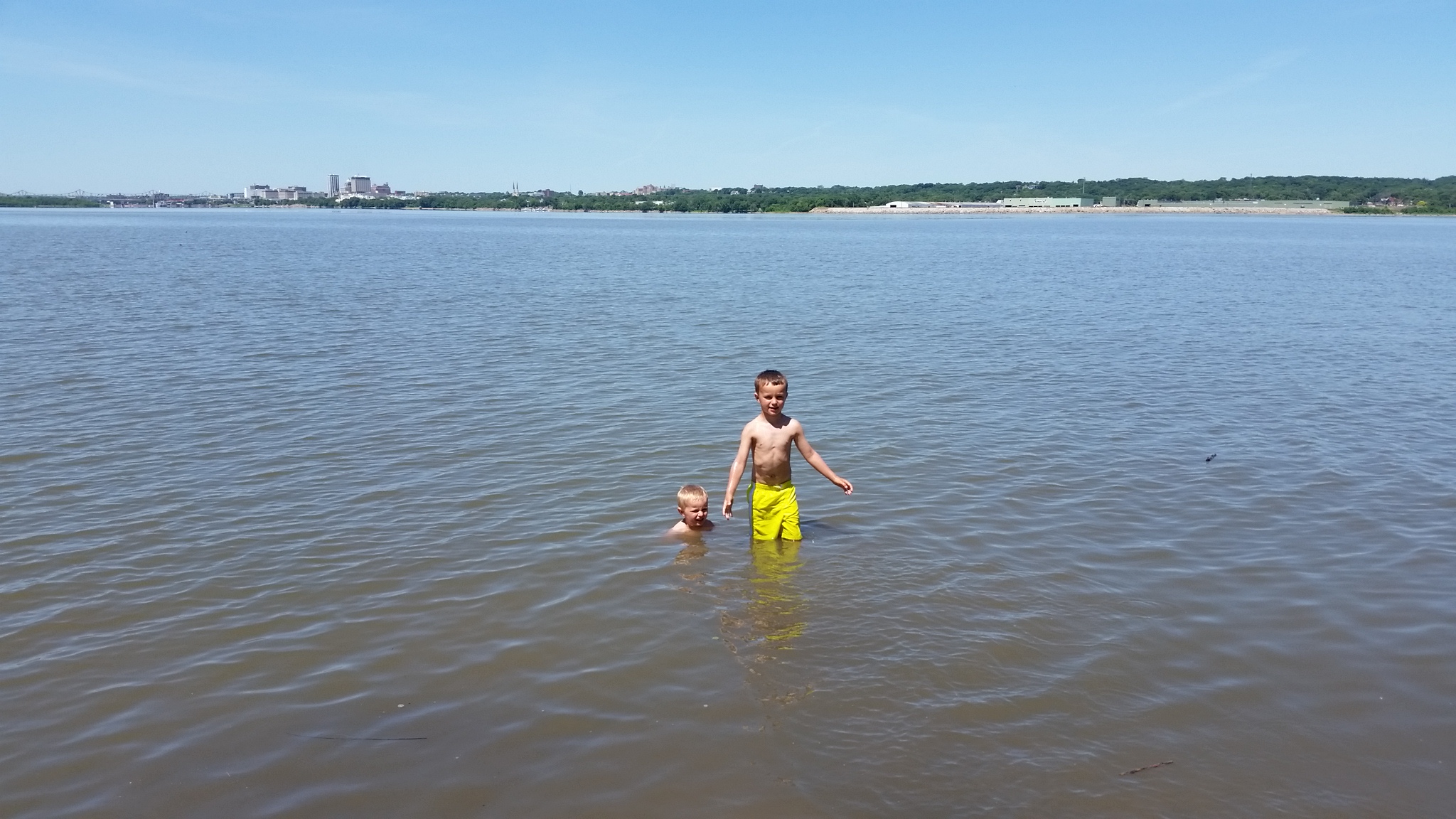
We met at a local park with trails that led to a beach. The kids had a blast building volcanoes, splashing through the water and finding shells to take home.

We were the last to leave the beach and we took what I thought to be a shortcut back to the van.

20160608_111531

Turns out, I was wrong.

I kept thinking the trail we were on would lead us to the parking lot at some point.

Stubbornly, I did not want to backtrack. I just knew the parking lot was around the next turn.

“Just a bit further boys and we’ll be back to the van.”

The boys were wet and full of sand from their playtime on the beach. I was tired and starting to get irritated.

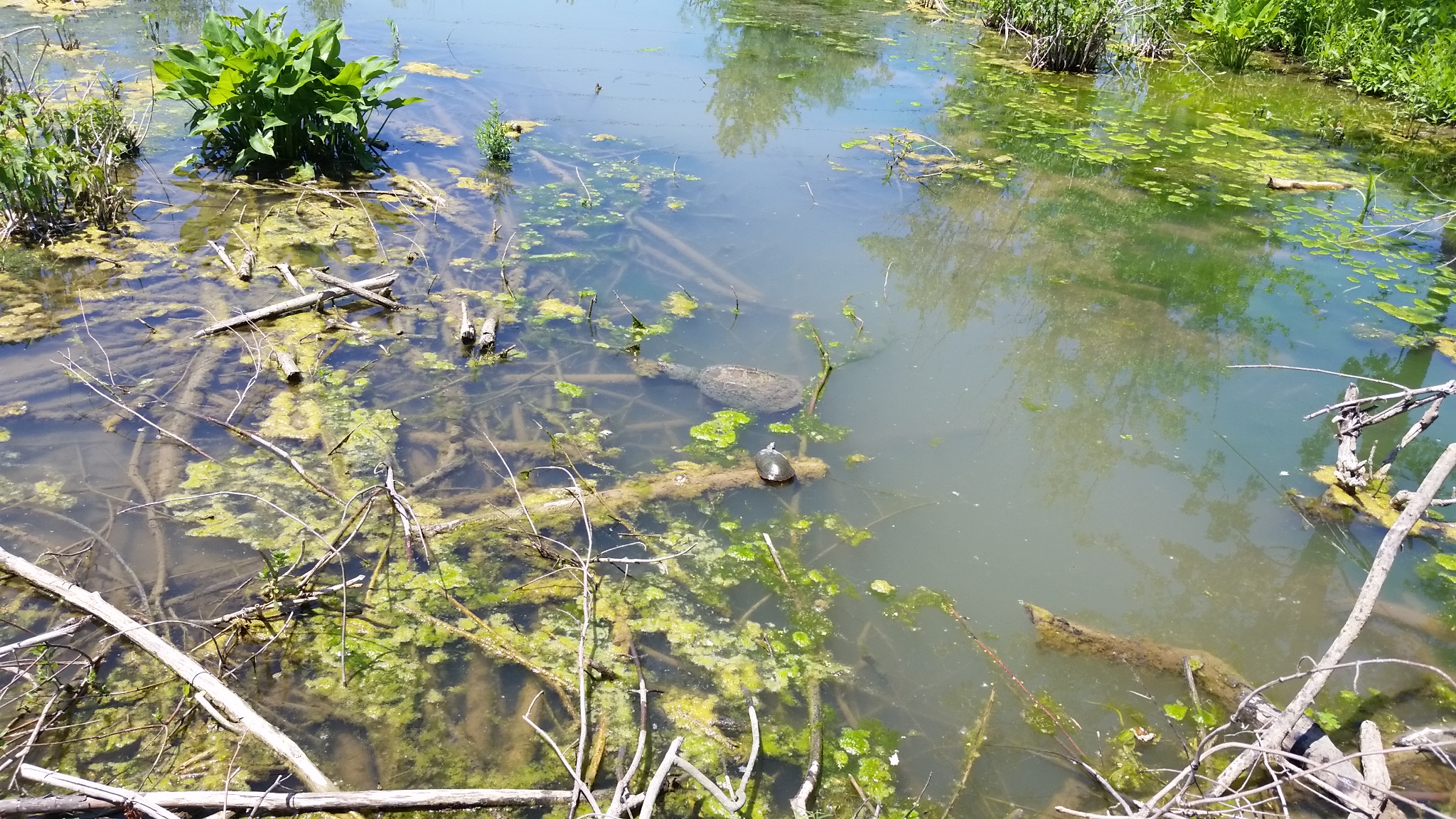
Then Joe saw a turtle.

20160608_130234

“Look at that turtle Mom!”

Jake saw little minnows.

“Look, fishies!”

I saw the unplanned adventure we were on and my irritation melted away.

We were lost in the woods. Granted, we were on a trail and could hear civilization through the trees, but we didn’t know where to go to get to our van.

I pulled out a compass Joe had packed in his backpack, handed it to him and told him how it works. With a little help, he figured out which way we were facing.

20160608_135542-1

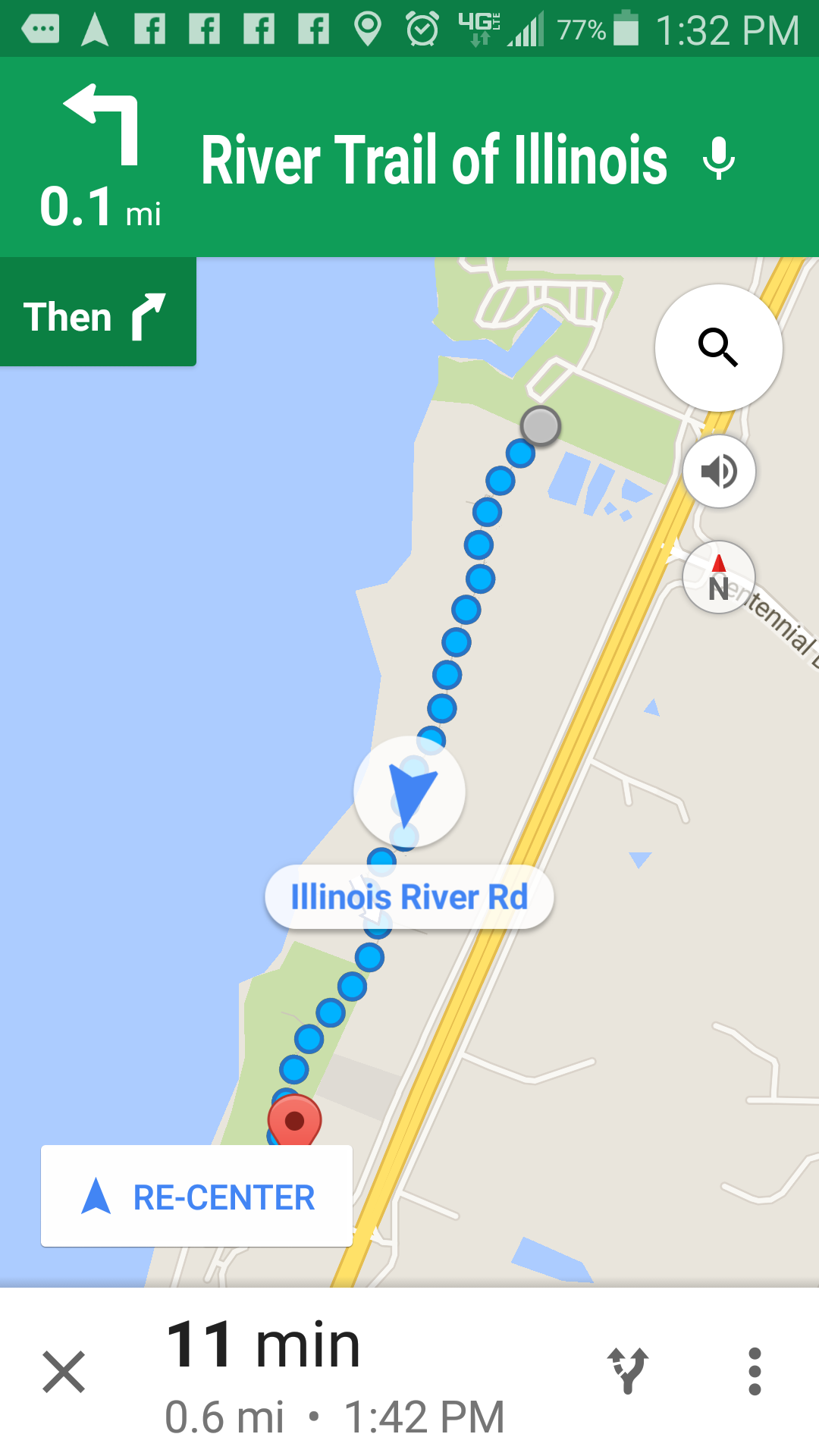
We’d parked in a restaurant’s lot so I pulled up the map on my phone. We were a 20 minute walk from our van.

“Which way do we need to go Joe?”

“That way,” he said pointing to the flag on the map.

screenshot_2016-06-08-13-32-04.png

So we headed “that way” munching on apples and looking for birds, frogs, turtles and deer.

20160608_132854

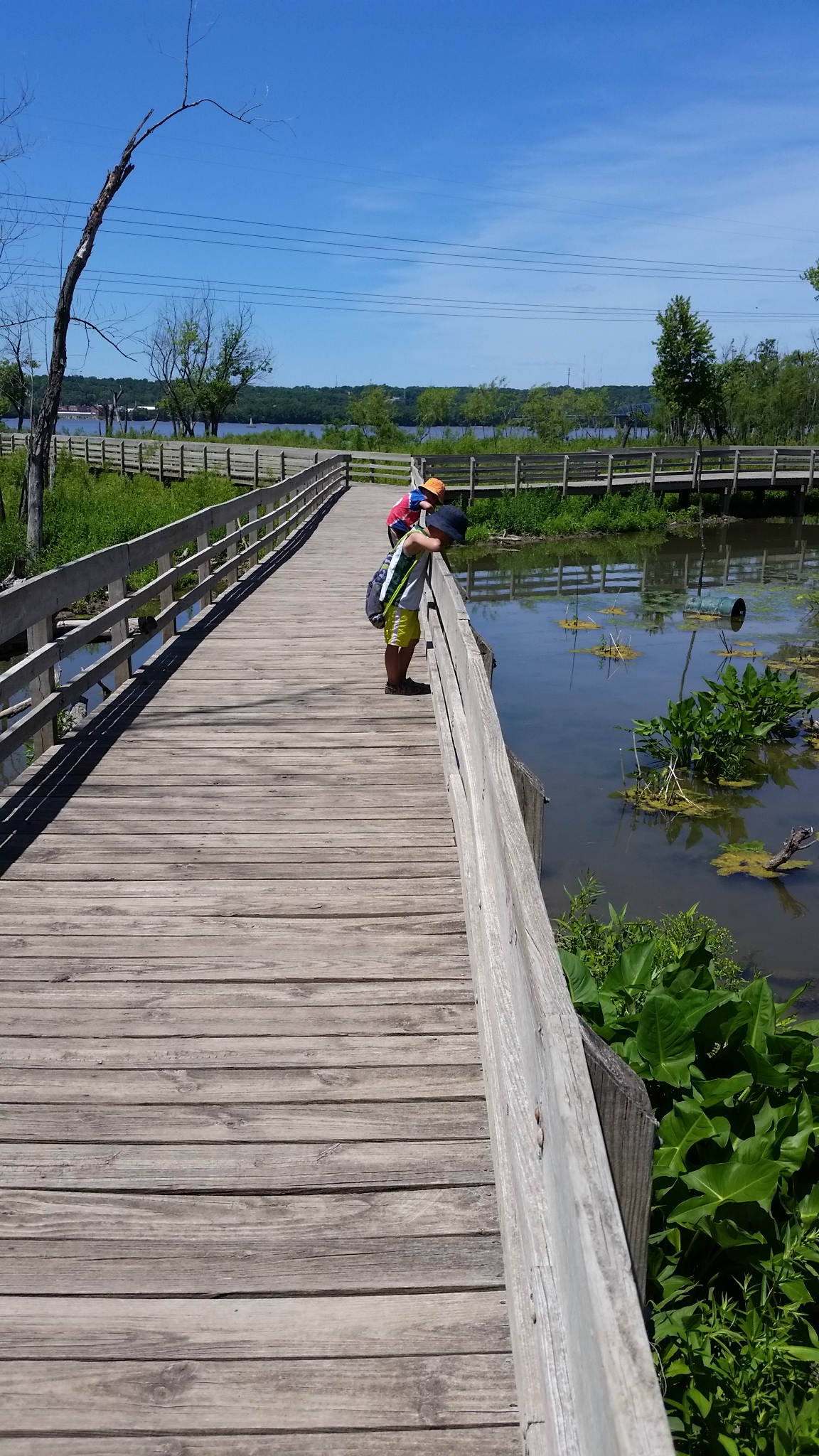
We came upon a wooden walkway where we saw huge dragonflies chasing each other and flittering from reed to reed.

Tiny fish were swimming in the water, a few small turtles were sunning themselves on logs and a big snake was slithering through the tall weeds.

20160608_131751

It was one of the best adventures we’ve had because it was not planned. I could have let the irritation fester and negatively impact our walk.

But Joe saw a turtle and Jake saw a fish and, just like that, they pulled me out of my bad mood and into an amazing and unplanned adventure.

Adventurous boys
Taking me on their journey
Turning gray skies blue

Name That Weed #2

Here is the second installment of “Name That Weed”.

Almost everyone who guessed the first one said it was a variety of wild mustard. I pulled a few handfuls and fed it to the chickens. They loved it!

This purple beauty is spreads almost like a vine.

20160529_154531.jpg

The leaves are small and oblong…kind of like a fern without the jagged edges.

20160529_154658.jpg

The flowers are a gorgeous purple on the outside of the petals and a light lavender, almost white inside.

20160529_154712.jpg

Any guesses?

Fern-like leaves of green
A flower of purple beauty
Spreading like a vine

Wanting to Learn

The boys got a Venus flytrap as a gift from a friend.

What started as a cool gift quickly turned into an investigative journey.

They wanted to learn more.

And more.

And MORE.

We watched videos about Venus flytraps which led to learning about other predatory plants.

We looked up facts about Venus  flytraps which led to long discussions about digestion which led to laughter because…well, they’re little boys.

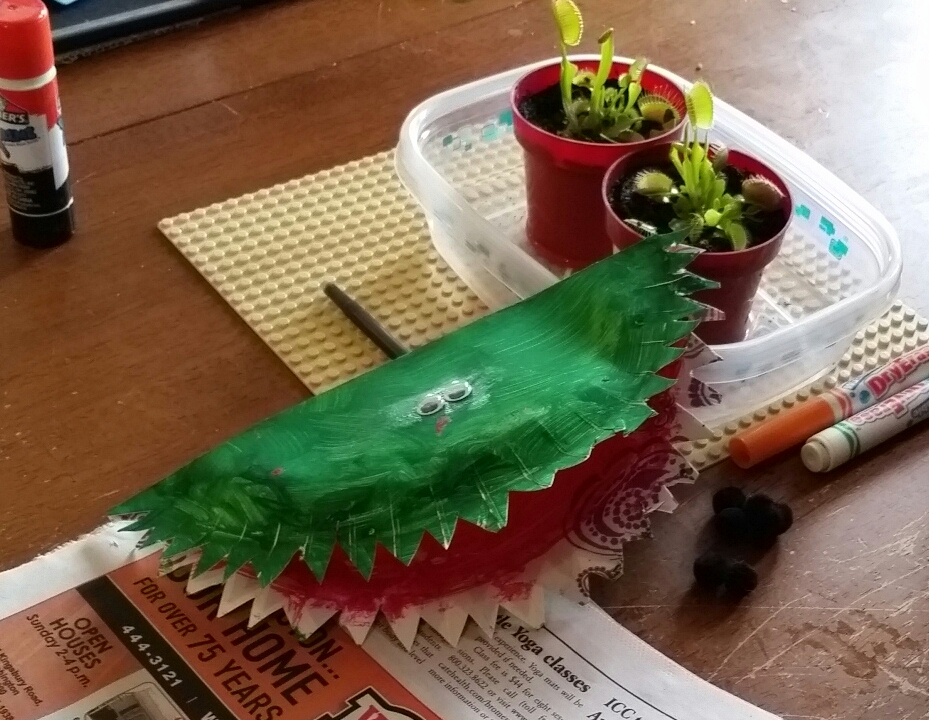
We made paper plate Venus flytraps which led to chasing each other around the house making chomping noises.

20160426_091731-1.jpg

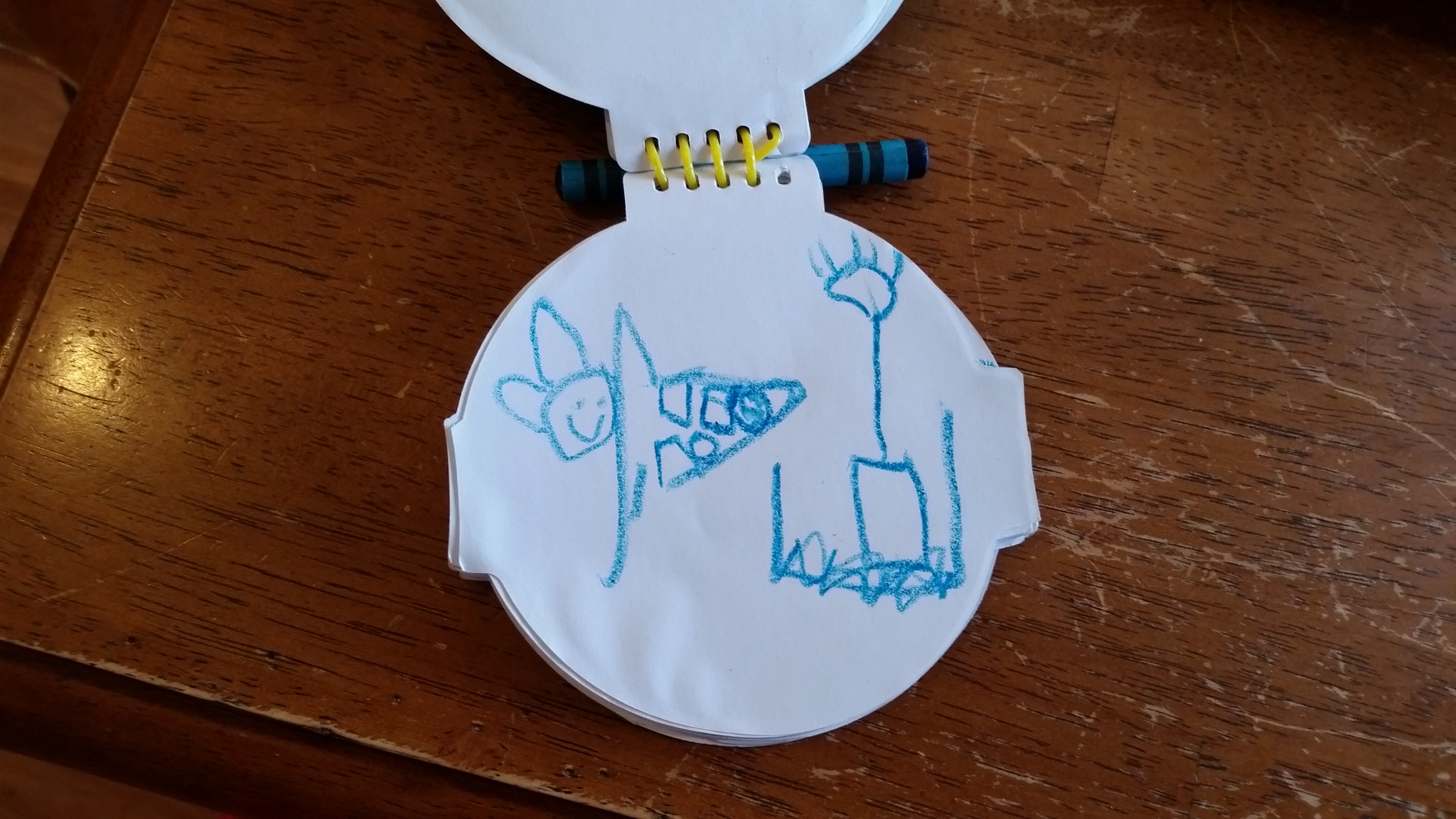
Joe even drew a picture and explained to me how the Venus flytrap eats.

20160426_091710.jpg

Then he acted it out.

I smiled and laughed and learned that it takes up to 10 days for the trap to digest its meal. That it only has 4-6 snaps before it turns brown, shrivels and dies. That it can grow as big as a cheeseburger.
It was fun and it was cool and the best part?

They were interested.

They were engaged.

They wanted to learn more.

Trapping little flies
Watching their little minds whirl
Learning…chomp, chomp, chomp!

Quite Frustrating

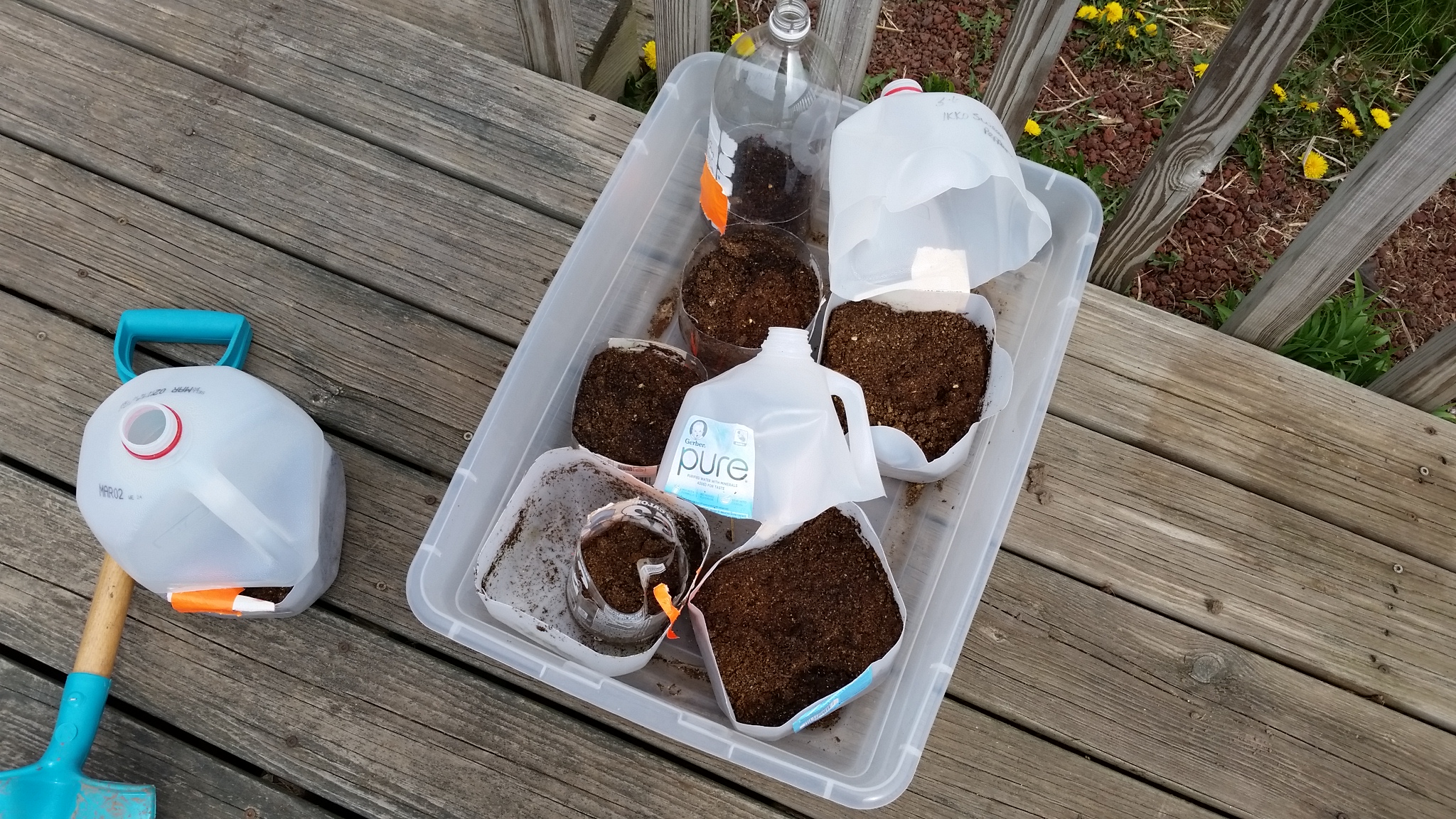
This weekend, I opened up my winter sown seeds and discovered…not much.

The cabbage and broccoli were puny, the tomatoes and peppers non-existent and the herbs barely sprouted.

20160419_110315.jpg

Cabbage and broccoli…sage on the left.

20160419_110326.jpg

Non-existent tomatoes and peppers.

I was sad and quite frustrated.

I spent quite a bit of time making my mini green houses, drilling my holes and planting my seeds. So many blogs and fellow gardeners have had such success with this method.

What did I do wrong?

Did I take the lids off too soon?

I don’t think so. I waited until early April to remove the lids and we did not have another frost or near frost after that.

Did the soil get too wet?

I think this may have been part of the issue and a big reason why many of the seeds didn’t even sprout. The greenish moss/mold looking stuff I found may just be algae, but it is a sign that the soil is getting too wet and the seeds are drowning. It may be that I didn’t drill big enough drainage holes.

Did I use the wrong containers?

Possibly. The seeds that did sprout were in clear 2-liter bottles and milk jugs that were more transparent. The clear containers allowed more sunlight to penetrate, and worked more like an actual greenhouse.

Did I let the soil get too dry?

Should I have opened the tops on those really warm days?

Were the seeds too old, affecting the germination rate?

In all my research, these are a few common mistakes, but most of them happen to the sprouted seedlings and do not affect the germination.

Luckily, this was an experiment and I did not rely on this method for starting ALL my seeds. I started more tomatoes and peppers under grow lights in the basement.

20160419_110309.jpg

Even though I’m disappointed at the failure of this method, I’m not going to completely give up.

I’m going to try it again next year, but focus more on those cold-hardy annuals.

  • Broccoli
  • Cabbage
  • Brussels Sprouts
  • Lettuce
  • Kale

I’m going to drill bigger holes for drainage and make sure to take the tops off on really warm days.

I’m going to make sure to use seeds that have not “expired”.

And…I’m going to try another experiment.

Ray remembers seeing a sea of milk jug tops in his grandma’s garden in the winter, and I remember seeing the same in my babysitter’s garden when I was younger.

I didn’t really understand what she was doing, and I didn’t think to ask why.

Now I get it.

They were using mini greenhouses, similar to row covers and starting their seeds directly in the ground.

In winter.

I see lovage and chives already growing in my garden. Volunteers from last year.

20160419_110447.jpg

I see cilantro sprout, tomatoes take over and dill grow into a forest.

I see plants we let go to seed sprout up, stronger and more aggressive than the seedlings we start, baby and transplant.

I went back and re-read the post I wrote in January when I first learned about winter sowing. This passage struck me:

And why not? Just think of all the volunteers that sprout and grow, most of them ending up being stronger than the seeds I start.

They are outside, hibernating all Winter.

They aren’t watered and pampered…to death.

They wake up in the Spring and push through the soil and end up being stronger than the seeds I start in my basement.

It’s observing then interacting with Nature. It’s Permaculture.

I’ll save my mini greenhouses and give it another try next year, but this time…I’ll plant the seeds in the ground and cover them with the tops.

And why not?

I feel so very silly
That I failed to see
That sowing seeds in winter
Is done so easily

I’ll plant seeds in the fall
I’ll cover them with tops
I’ll look for volunteers
My perfect winter crops!

Ouch!

Sunday was a fun day
We worked out in the yard
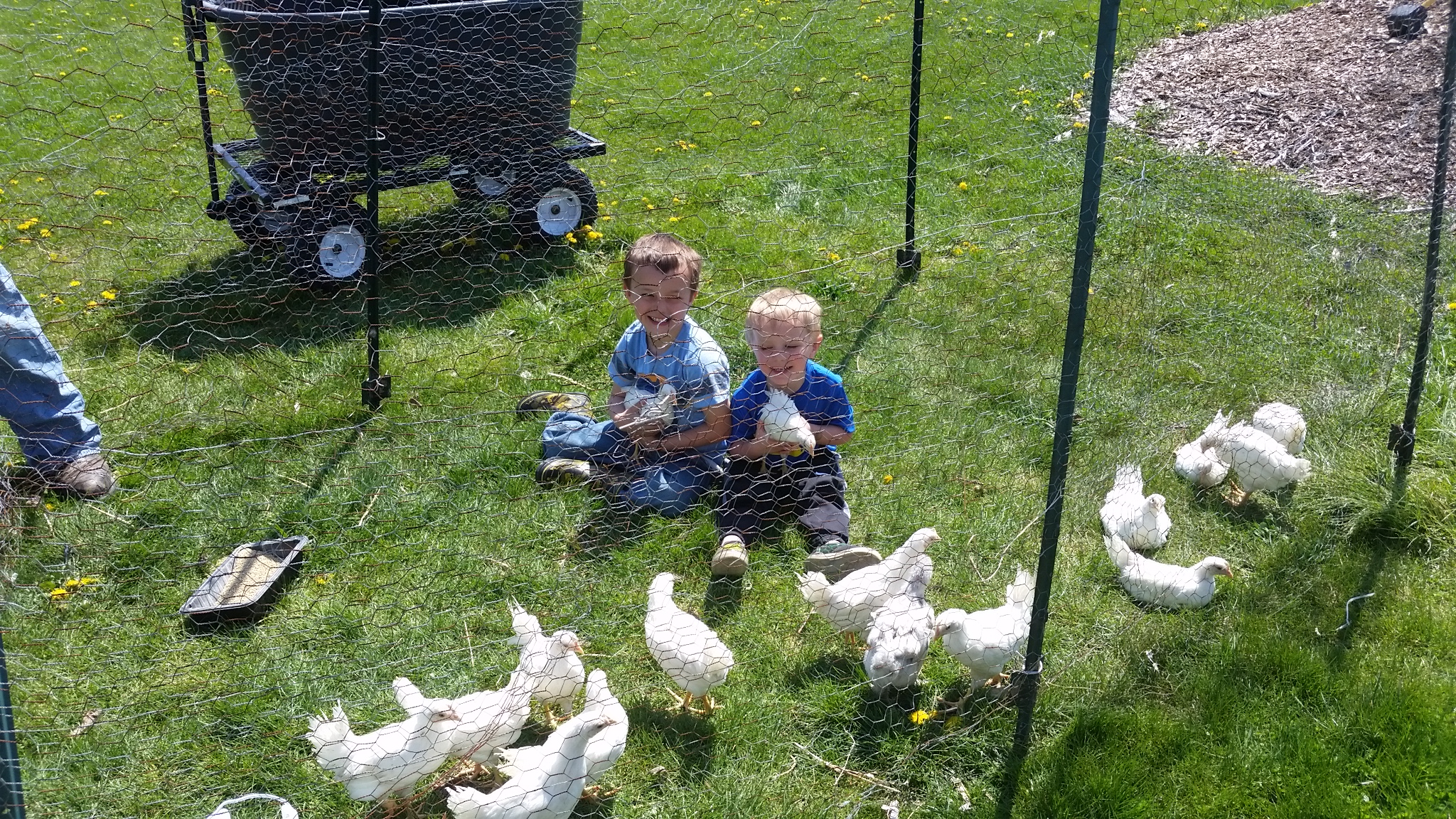
The chicks were happy playing
The boys were working hard

20160416_113612.jpg

I worked, I toiled, I labored
I shoveled, scooped and hauled
The sun was hot and crispy
The breeze so cool and small

20160417_191623.jpg

The paths were in the garden
The spiral full of dirt
The chicken run was started
And still we worked and worked

20160417_191701.jpg

At the end I felt it
The burning on my arms
The boys of course, I’d coated
To keep them from sun’s harm

I didn’t think to use it
I didn’t even try
So now my skin is crispy
I’m trying not to cry!

OUCH!

20160415_175724.jpg

Into the Woods

Saturday.

A whirlwind of digging holes and planting trees.

We did the research.

  • Holes should be dug twice as wide and as deep as the root ball.
  • Broken and damaged roots should be removed.
  • Fan roots out in the hole, placing the top-most root slightly below the soil line.
  • Hold or stake tree straight while filling, break up soil
  • Water and tamp soil down with foot or shovel.
  • No fertilizing until fall

We rented the equipment.

20160409_101655.jpg

We recruited the helpers.

20160409_110108.jpg

Then we started.

Step One – Inventory

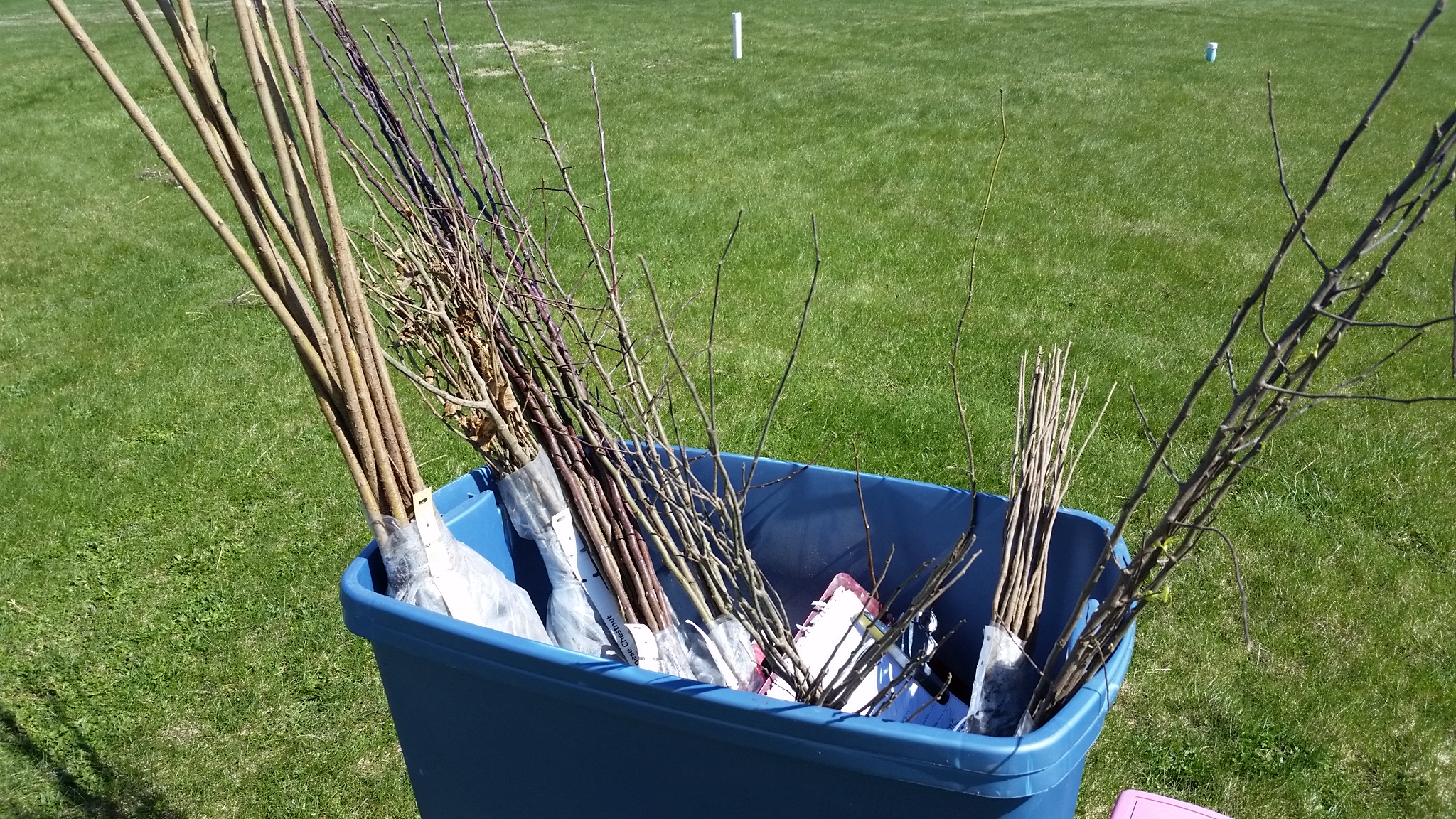
When I started to inventory our shipment, I expected to have a few extra trees. In all, we had 20 extra trees.

  • Ten American Red Bud
  • Five Antonovka Apple
  • Five Polish 10 Apple
  • Ten Crabapple
  • Ten Cherry
  • Ten Chestnut
  • Twenty Paw Paw (10 extra)
  • Twenty Persimmon (10 extra)
  • Ten Pecan
  • One magnolia (free)

20160409_105540.jpg

Step Two – Planning

Before we could start planting, we had to plan where each type of tree would go.

To maximize solar exposure, shorter trees should be planted south and taller trees should be planted north.

  • American Red Bud – 20-30′ tall
  • Apple – 12-16′ tall
  • Cherry – 12-15′ tall
  • Chestnut – 20-40′ tall
  • Paw Paw – 15-25 ‘ tall
  • Crabapple – 10-25′ tall
  • Persimmon – 15-20′ tall
  • Pecan – 60-80′ tall

The canopy of the tree mirrors the root system, so it was important for us to determine spacing. We don’t want to stunt growth or crowd out any of our trees.

We ended up spacing the fruit trees around 10′ apart and the pecan and chestnut trees around 20′ apart. We did plant a few closer together as we do not expect that all 75 trees will make it.

Step Three – Digging

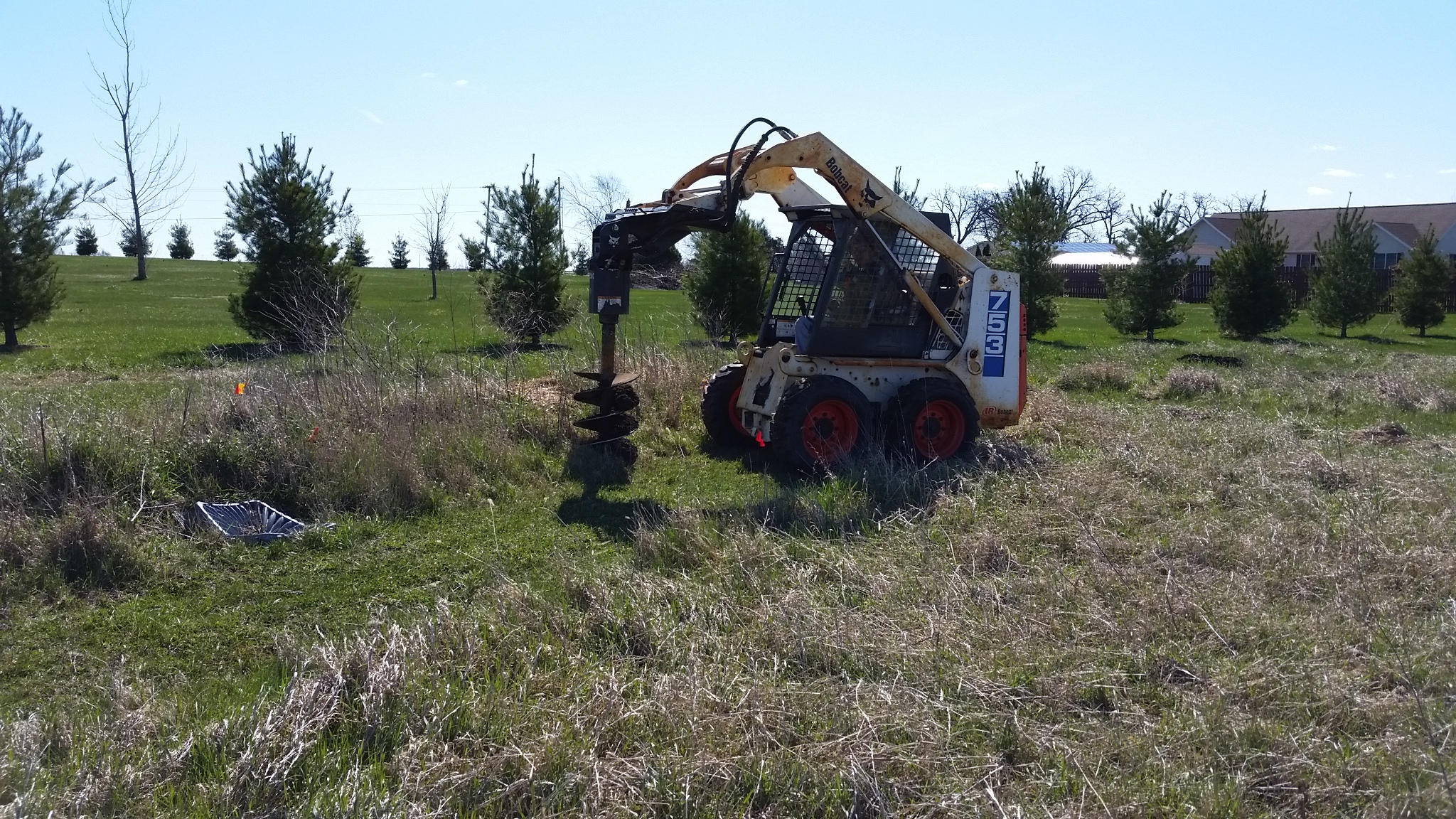
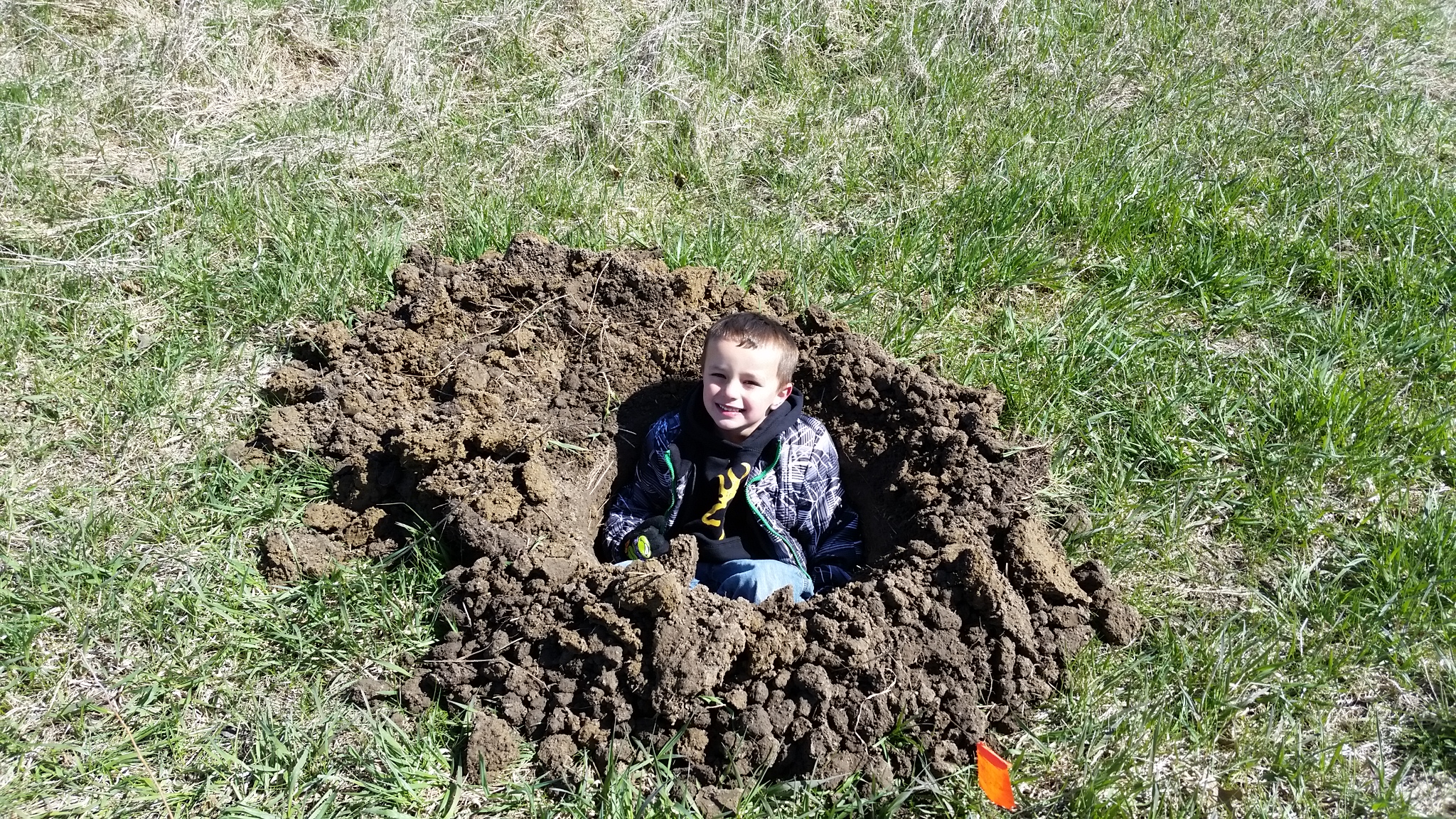
There was no way we were going to dig 100 holes by hand. Especially when we had a perfectly good Bobcat at our disposal. So we rented an auger, and in just under 3 hours, Ray had drilled the holes.

20160409_101655.jpg

Step Four – Planting and Mapping

With 8 different varieties, I was determined to get an accurate map recorded.

To ensure that happened, I made a map with a number key for each variety. Then, I walked around and placed a tree in each hole, recording what I planted.

20160410_173019-1.jpg

Step Five – Watering

Normally, we would have had to water each tree, but since it was going to rain later in the evening and all day Sunday…we opted to let Mother Nature take care of it for us.

20160410_180609.jpg

Today the trees look rather scraggly and delicate. The root systems are fragile and the ‘trunk’ could snap with little effort.

Yet…

One day…many years from now…this will be a lush, green and edible woods.

Digging and planting
Tree after tree after tree
Growing, growing…grown

Autumn Olive…Again

The Autumn olives had a rough go last year.

Wind, water and the unknown were not kind to them.

I was disappointed. Still am.

Yes, I know that ‘these things happen’ and ‘not every endeavor is a success’, but I still don’t have to like it. I just have to learn from it.

In January, I ordered two more autumn olives to replace the 2.5 we lost last year. The .5 is down but not yet out.

They came in the mail today along with a couple of rosemary pots and three grape vines.

20160331_134714-1.jpg

I’m not going to repeat past mistakes.

I’m not going to leave the tag on the trunk because it will strangle the poor thing as it grows.

I’m not going ignore early warning signs and react only when it is too late.

I’m going to be proactive and fertilize from the get-go.

I’m starting all over again…armed with some wisdom from past mistakes.

Invasive and strong
Grow tall dear autumn olive
Once again I try

Little Gardeners

Today we planted carrots
Two kinds of lettuce too
The boys had their own garden
They knew just what to do

They raked, they dug, they planted
They scattered many seeds
I watched, I smiled, I chuckled
As they pulled all the weeds

My little guys are marvels
They love to plant and grow
I hope they keep this wonder
And teach their kids to sow

20160315_120219.jpg

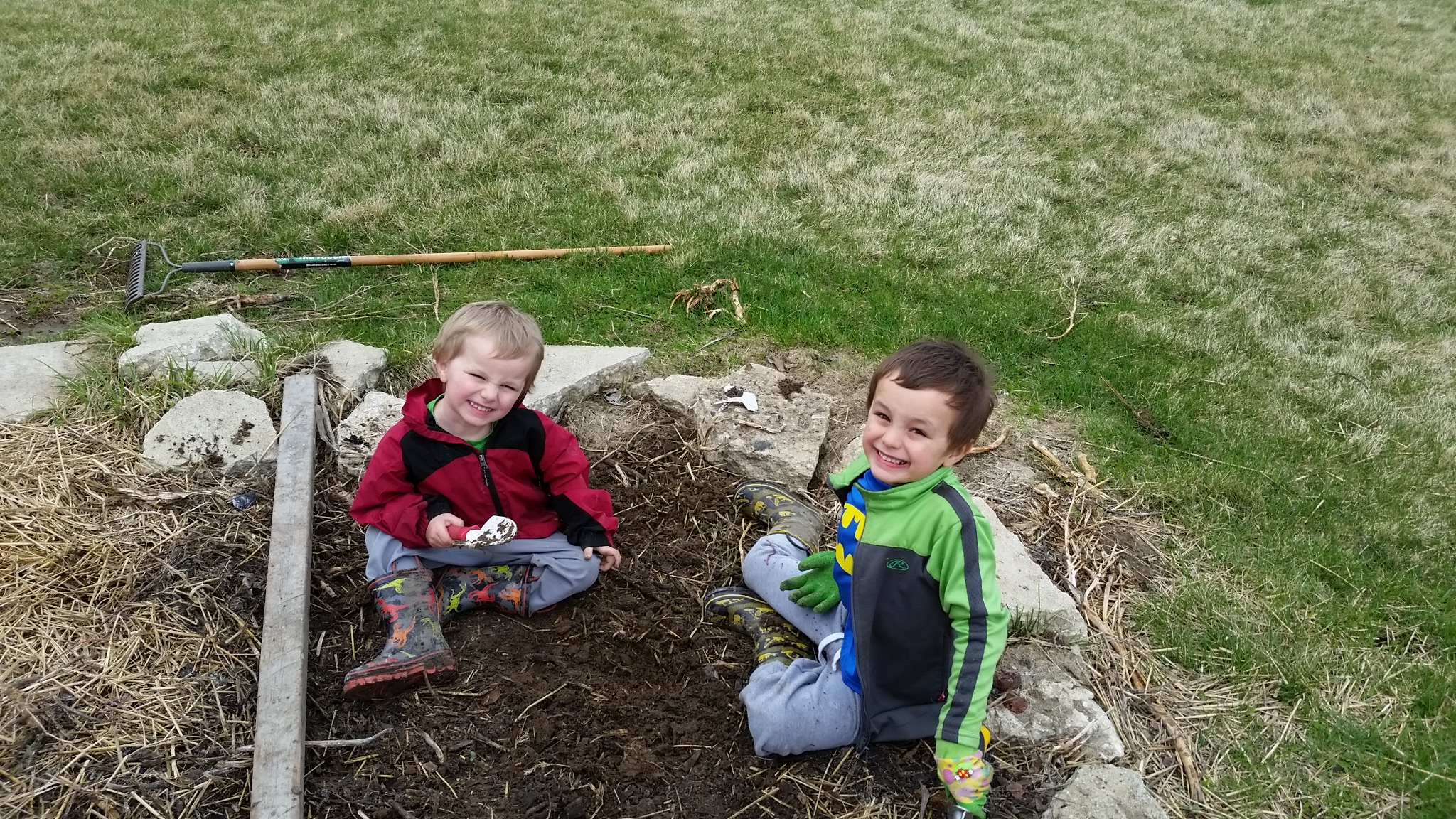
My happy little gardeners

20160315_123242.jpg

Joe and Jake built a “worm home” after we finished planting for the day.

Life Cycles

The inspiration for today’s lesson came from the first question Joe asked when he woke up.

“Daddy, does a fish turn into a frog?”

I hadn’t planned to talk about frogs.

I’d planned to work on letters with Jake and addition with Joe.

But Joe was interested. He wanted to know how a frog was born.

So I ran with it…eagerly and with excitement.

Crazily enough, I’d printed out a frog packet months ago and stuck it in a folder for later use.

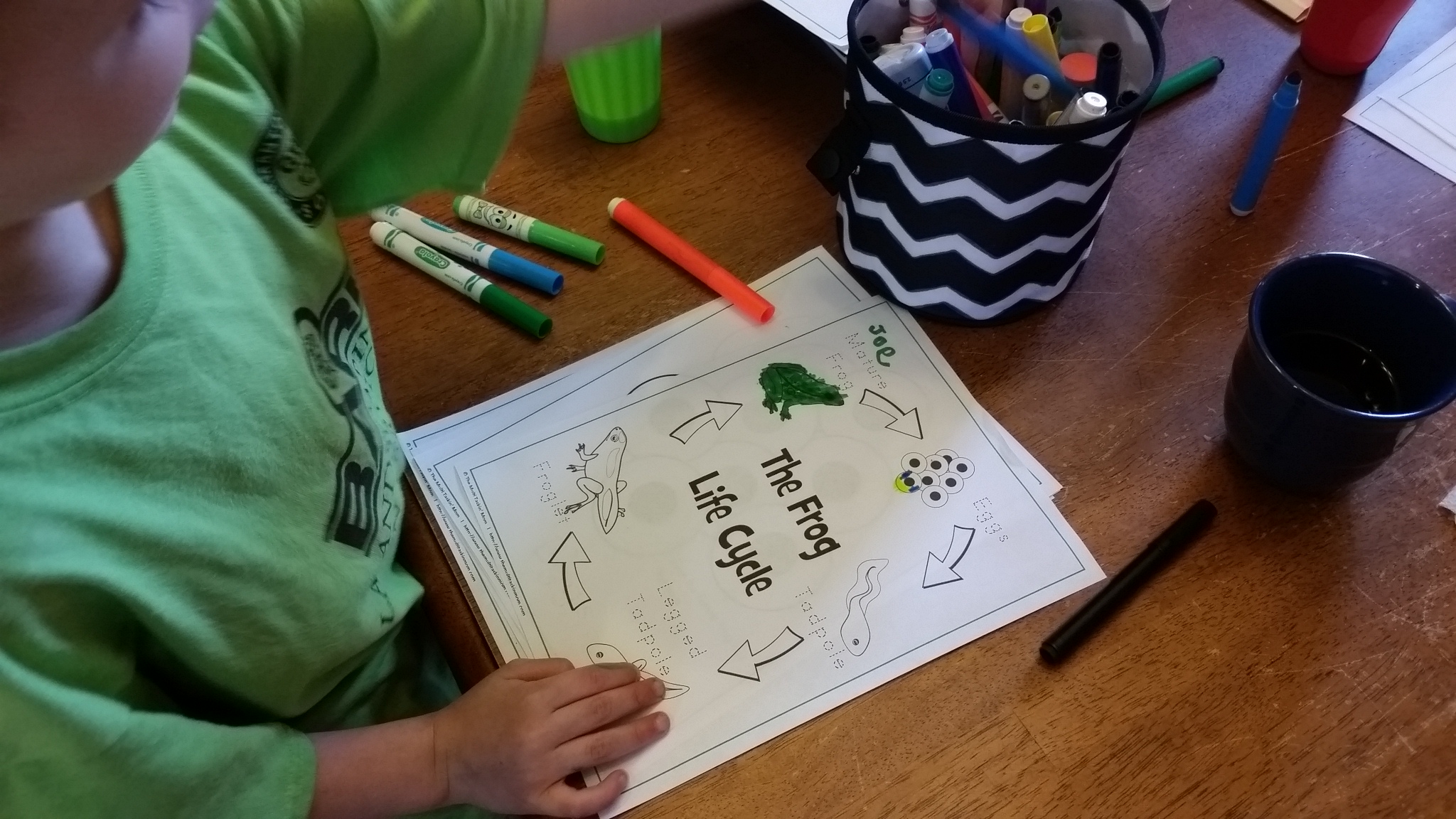
First, we talked about the life cycle of a frog.

20160309_092304.jpg

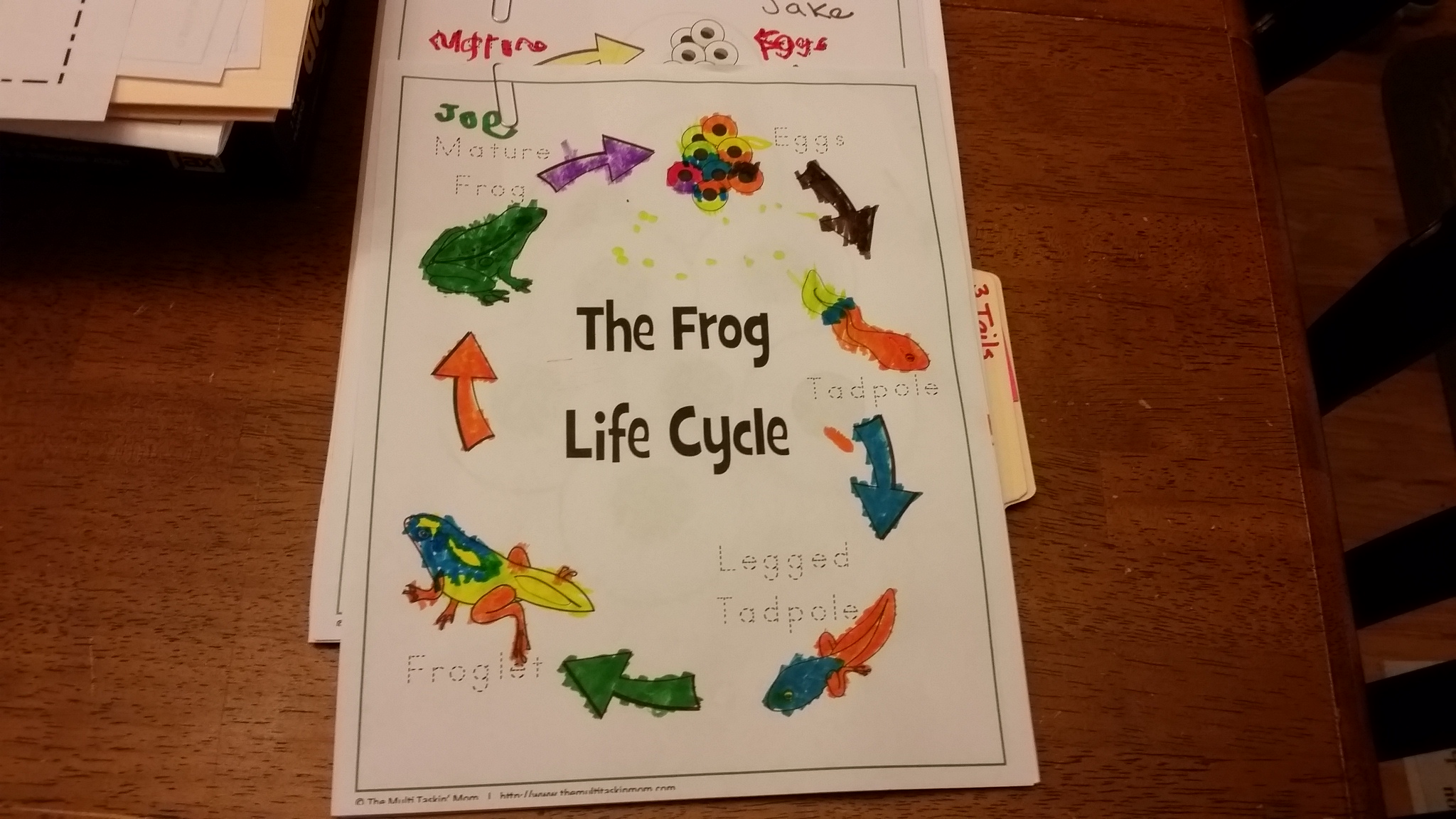
After Joe could tell me each step, it was time to color.

Joe Explains the Life Cycle of a Frog

Joe got pretty creative with his. Every egg was a different color, the tadpole had stripes, the legged tadpole was blue and orange, the froglet was multi-colored and the frog was green…a true transformation.

20160309_120315.jpg

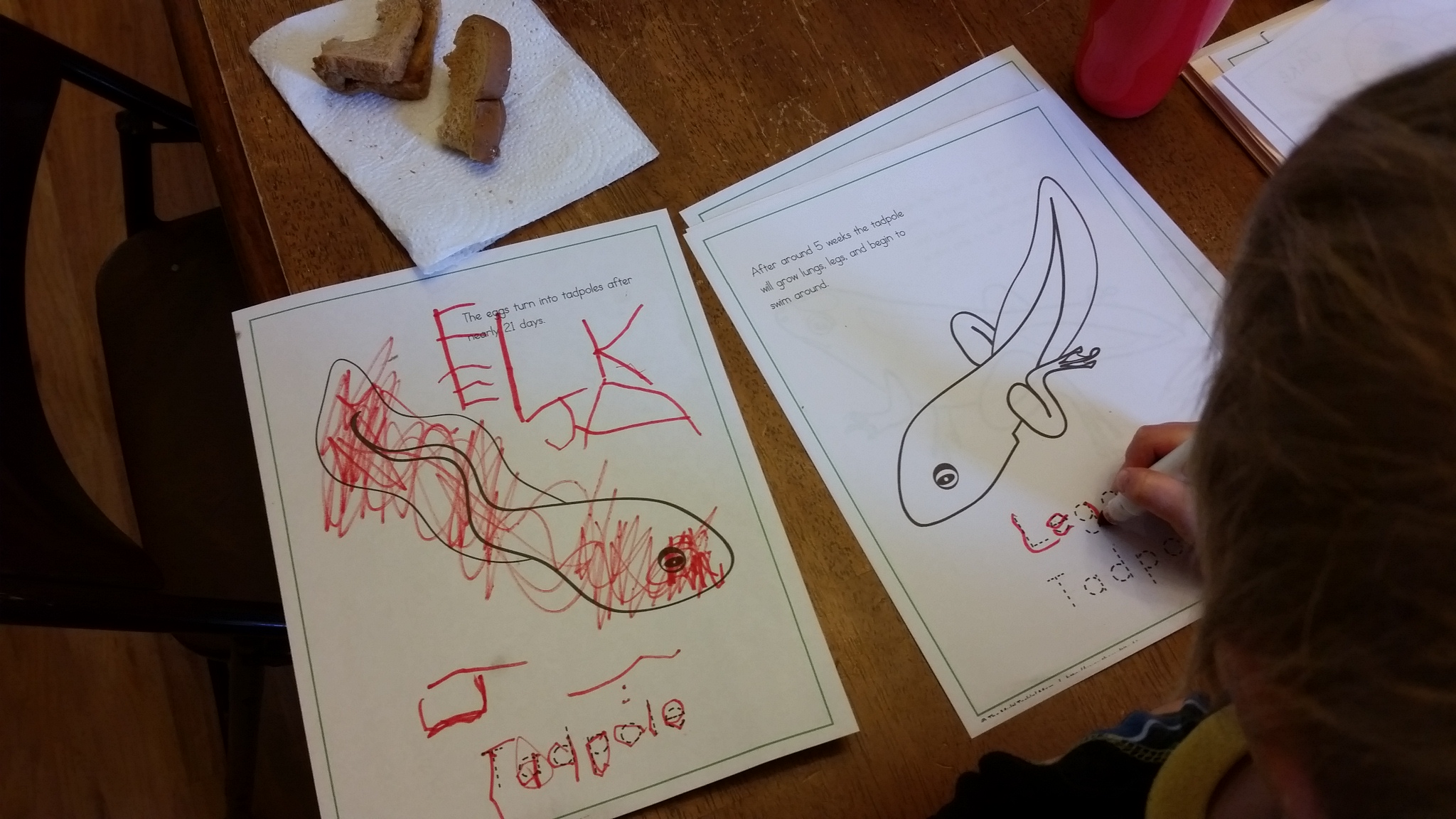
Jake did an awesome job tracing his letters and he even wrote his name…sort of.

20160309_092323.jpg

While Joe was coloring, I pulled out the frog puzzle I’d bought at a garage sale for 50 cents two summers ago. How fortunate that I was obsessed with finding educational materials as cheap as possible!

Jake, my puzzle guy, put the puzzle together and then counted the steps while Joe told him what they were.

20160309_093757.jpg

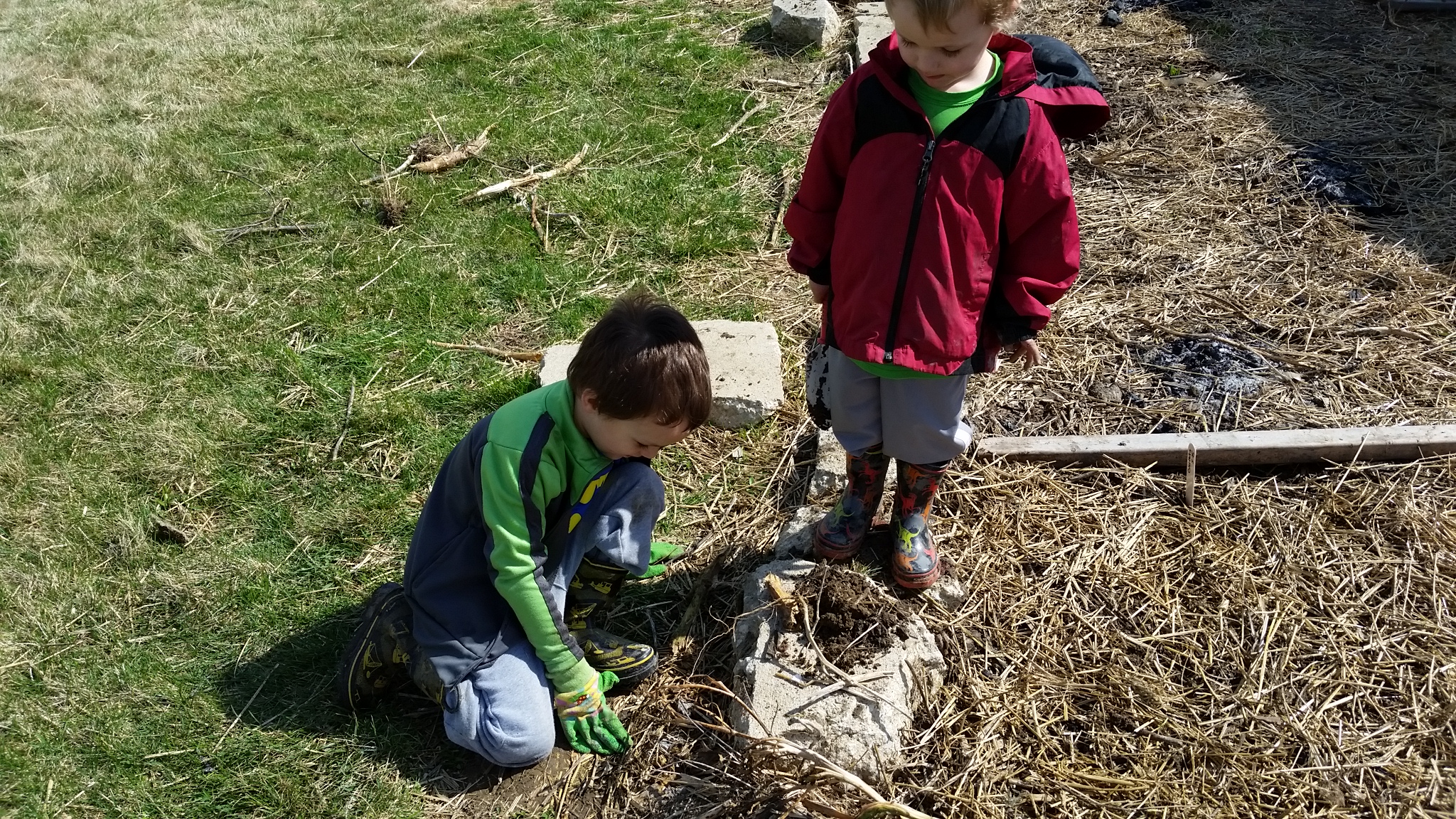
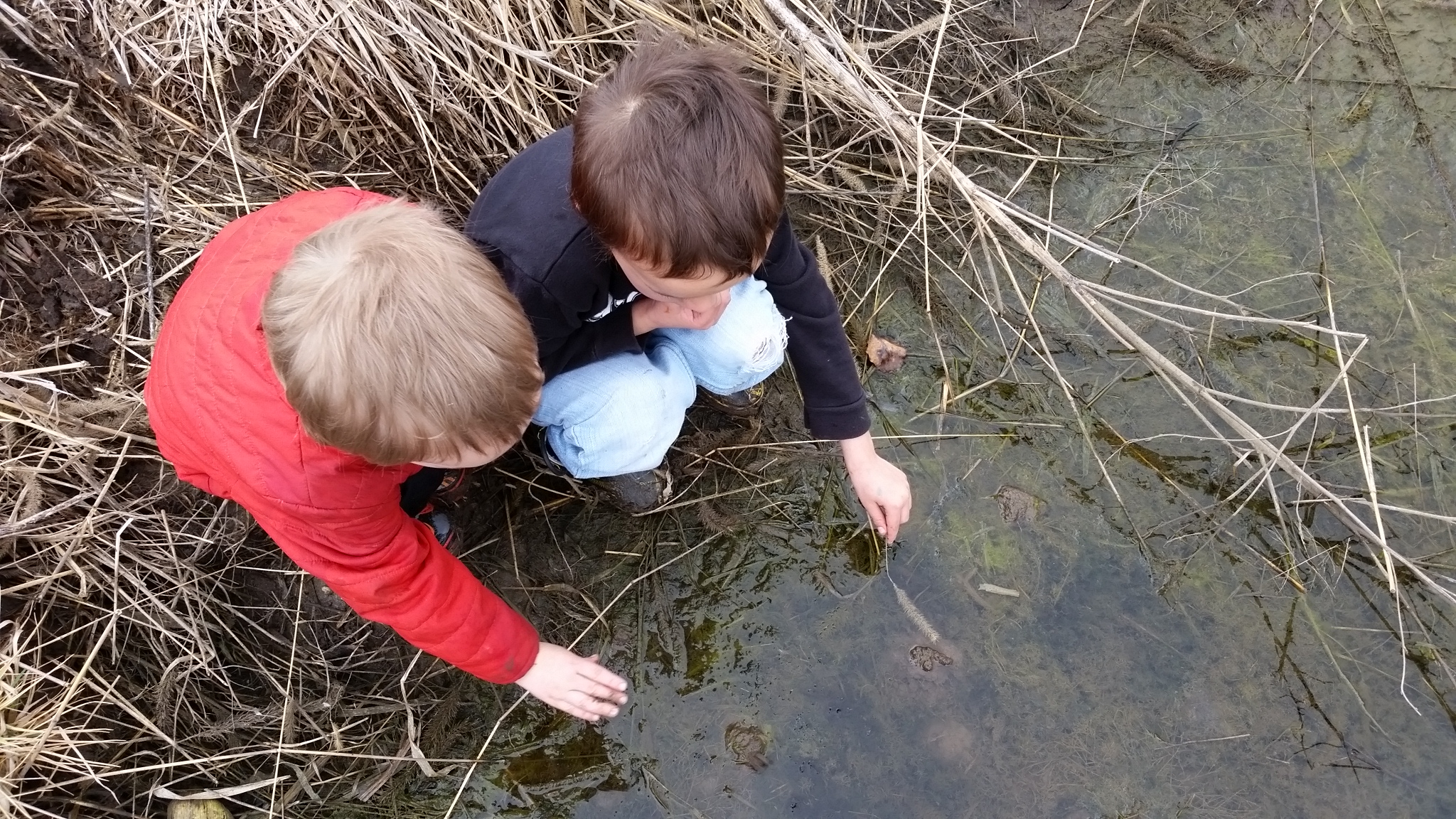
After they lost interest in the indoor fun, we donned our garden boots and play clothes and headed outside to our little pond to hunt for tadpoles, legged tadpoles, frog-lets and frogs.

The boys searched quietly for a little while.

20160309_110044.jpg

When they got bored being still and quiet, they started to dig with sticks and throw mud clods in the water. At one point, Jake’s boot got stuck in the mud and Joe fell (SPLAT!).

20160309_110542.jpg

Not seeing any frogs or tadpoles, the boys started exploring.

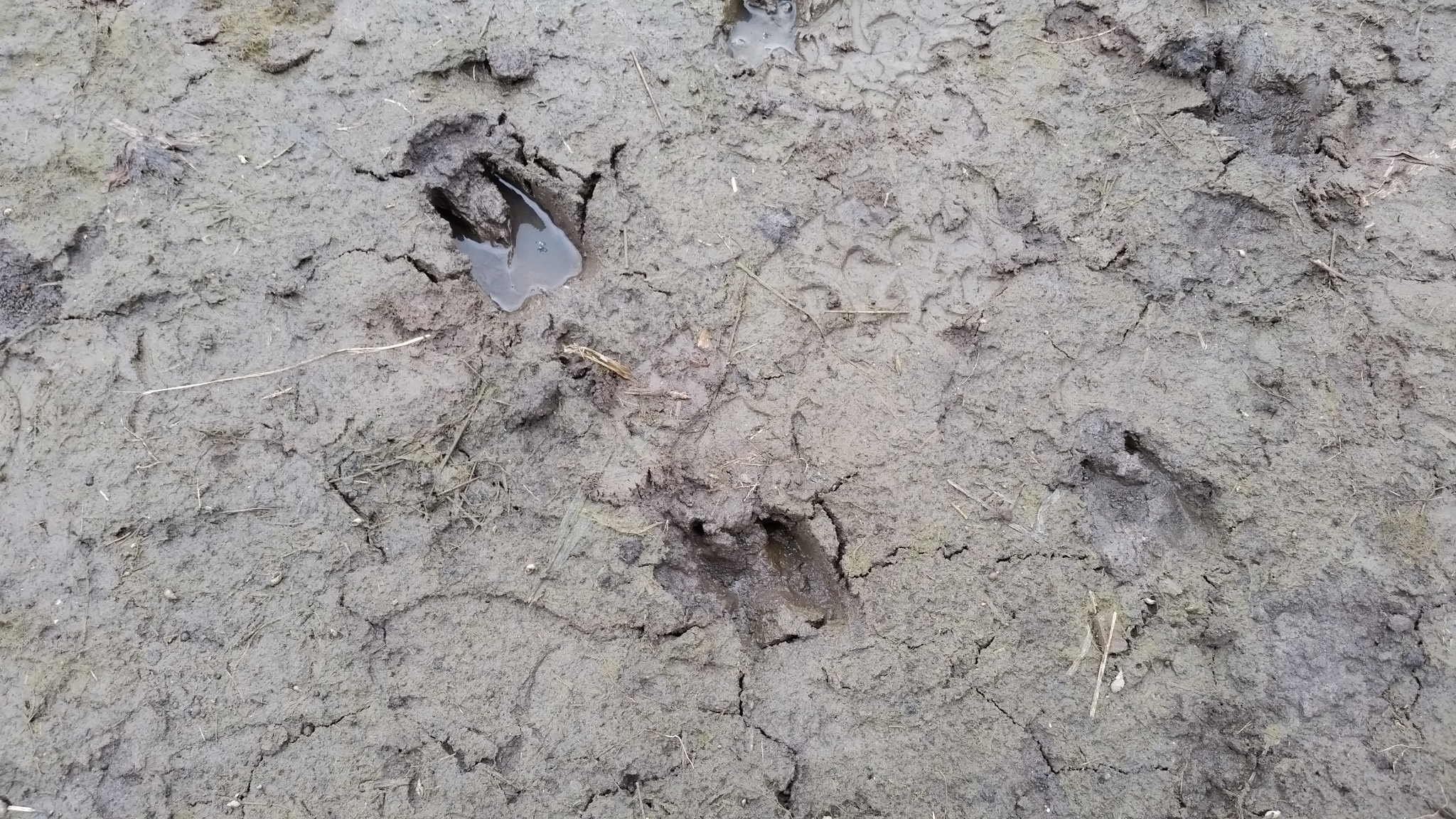
“Look Mom! Deer prints!”

20160309_110858.jpg

“Let’s catch the fish!”

“Let’s find some bugs!”

And on and on.

Joe got a bowl and started to sift and pour muddy, marshy pond water.

20160309_111304.jpg

After pouring out a few bowls of muck, he shouted “I caught a tadpole!”

And sure enough, he had.

2016-03-09-14.27.03.jpg.jpeg

We studied it and talked about it. It was rather large for a tadpole so we swished around the water and saw it had fins and the beginnings of hind legs.

“It’s a legged tadpole!”

We touched it and Jake laughed as it moved under his finger.

Finally, I told them that we needed to put it back in the water so it could continue to grow. They were disappointed but I told them that we could come back out and check on its progress every few days.

They wanted to check the other side of the pond to see if they could find anymore. We ended up finding all kinds of water bugs.

20160309_110724.jpg

I’m almost positive we saw another fish. It was blackish gray on top with an orange belly, but it moved too quickly for us to catch it with the net.

We spent all morning outside in the mud, only heading in when Joe thought a storm was coming.

One question from my little frog hunter turned into an awesome science lesson. I think I was just as excited as they were.

Little frog hunters
Playing joyfully in mud
Learning all the while

20160309_113256-1.jpg