Category Archives: Garden Stories

Asparagus

Tall, gone to seed
Grew quickly like a weed
Seven bright green stems
Tasty little gems

Last week I saw one
I thought their growth was done
But this week I see eight
Growing tall and straight

We’ll let them go to seed
To get more than we need
We may have some to spare
So some of them we’ll share

Three years since the spring
We sowed them in a ring
Roots in shallow rows
In the spot we chose

Asparagus so sweet
I think next year we’ll eat
Steamed, roasted or grilled
Or raw and slightly chilled

20160510_111120.jpg

Weeds

Prickly, pokey thistles
Charlie creeps and chokes
Ragweed causes sneezing
Greenbrier twines and pokes

Yes, some weeds are a problem
They enter and invade
But some of them are helpers
Supporting is their trade

There’s weeds that hold in water
And some make tasty food
Like dandelion wine
And greens served fresh or stewed

Most of them have taproots
Far deeper than it seems
The root pulls up the water
From fresh and hidden streams

Soil that’s rich and crumbly
All dandelions love
Attracting bees, controlling pests
The ones we’re so sick of

They hold on to the topsoil
It will not blow away
They mine for all the minerals
To help them grow and stay

Don’t be so quick to pull them
Don’t be so swift to harm
They may just be a helper
Your garden’s lucky charm

20160505_140115.jpg

The thistle. I yank it out by the root and burn it whenever I see it.

20160505_140008.jpg

Lambs Quarters – Good in salads. It also makes a great ground cover and keeps the moisture in.

20160505_141345.jpg

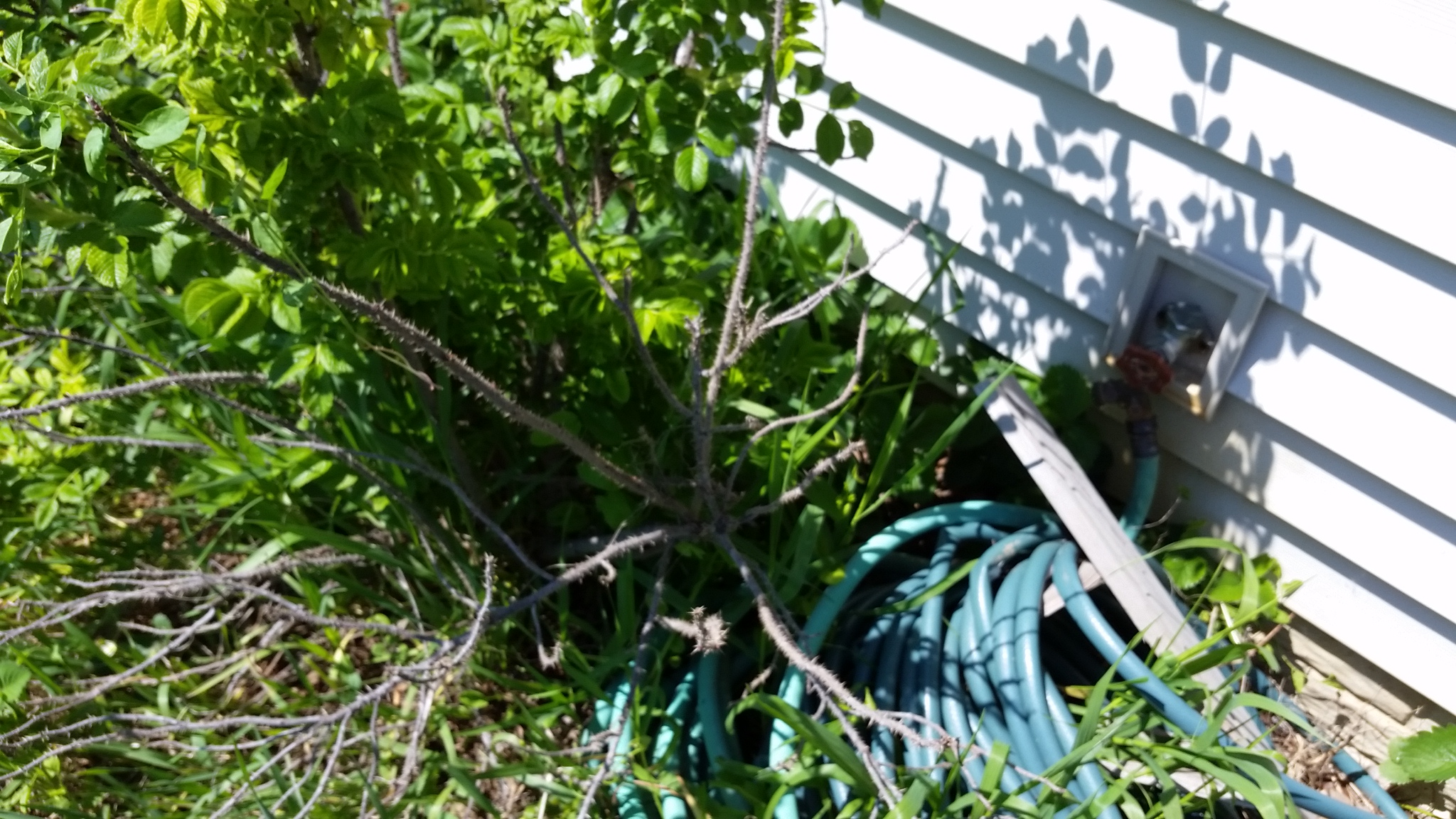
This is what creeping myrtle did to my rose bush. It’s a crazy vine and it is hard to see as it twines mercilessly around the plant.

20160505_141352.jpg

Evil vine.

20160505_140202.jpg

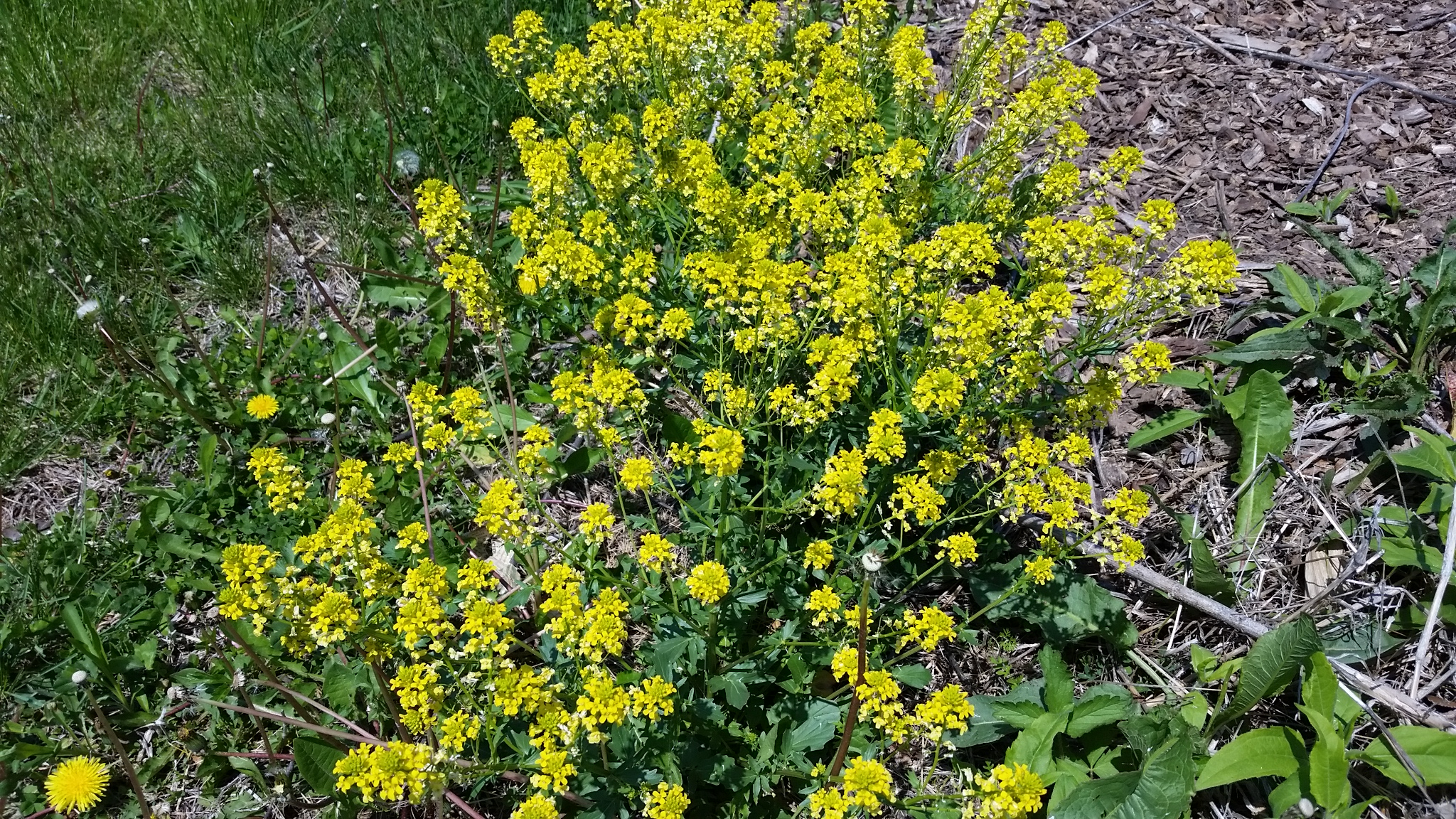
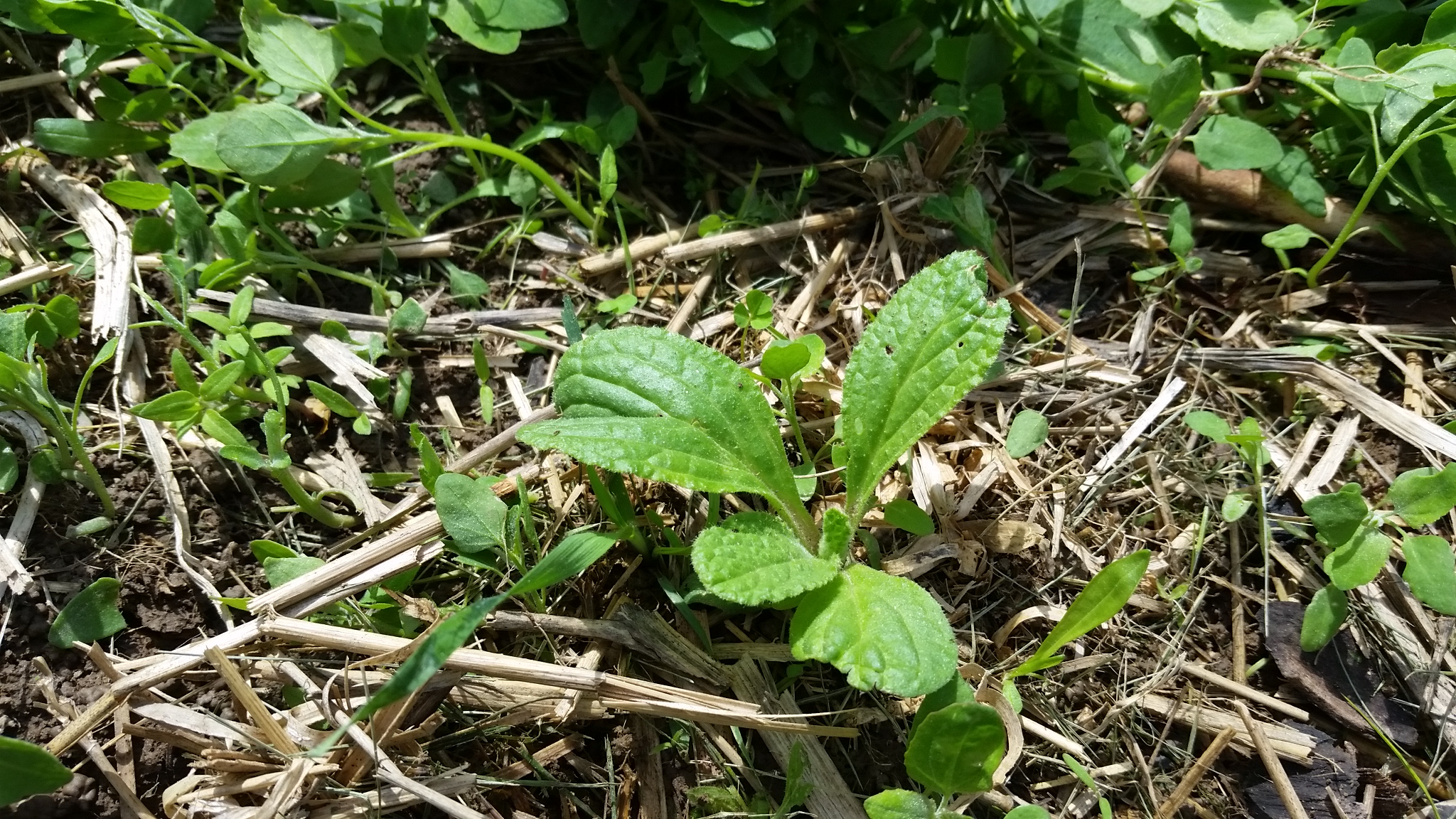
I’m not sure what this is, but it is in the mustard family and it is here and there in the swales. I love it.

20160505_141452.jpg

Gratuitous dandelion photo.

Runners and Suckers

Roots are an amazing part of the plant.

Their growth is hidden from us.

We see the plant grow and we know that the roots are doing their job underground.

The canopy of a tree is mirrored in the spread of its roots. A leafy wonder above ground and a gnarly tangle below.

But some roots simply don’t stay with their parent plant.

Some roots don’t know when to stop.

Some roots are so eager that they run rampant through the soil with seemingly endless energy. Every once and a while they pop up to see what’s going on above ground…and a new plant grows.

Then the roots on the new plant develop, get bored and off they go again.

20160424_155053-1.jpg

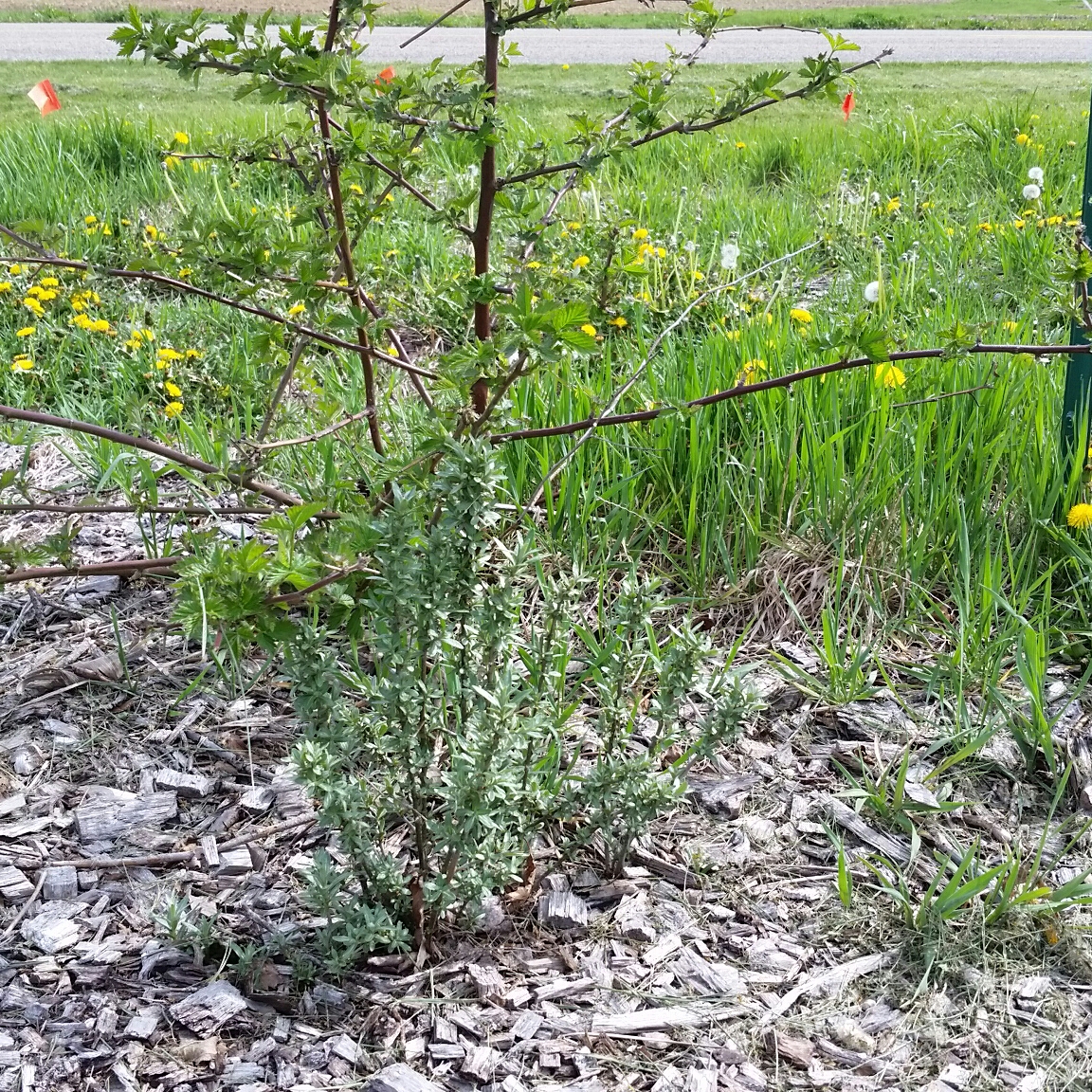
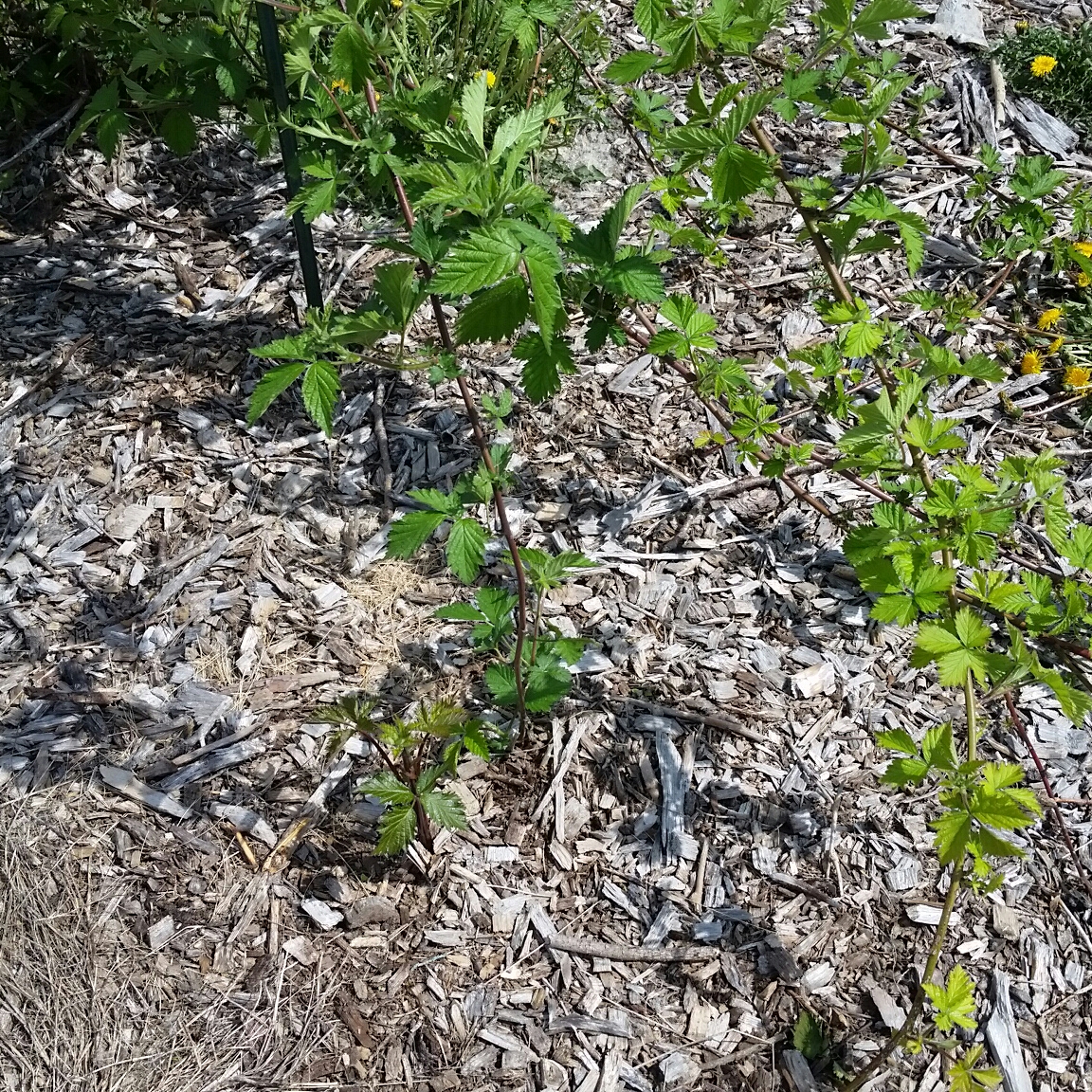
New sea berry sucker in front of our thornless blackberries.

Sometimes we let these ambitious kids stay where they popped up and sometimes we dig them up and move them to a new location.

When I dug up this sea berry, I did not expect it to have such a vast root system. Some of the roots stretched out 2 or 3′ from the base of this plant.

It’s only been growing for a year!

20160503_134418.jpg

Sea Berry Sucker that we transplanted in the southern swale.

We decided to transplant this little big guy to the southern swale in between an apple and a cherry tree. The roots have little white nodules all over them, which means that they fix nitrogen.

And plants love nitrogen.

In fact, they need it to survive and thrive. That’s why, if you go out to buy fertilizer there is usually an N-P-K ratio on the package. Nitrogen, phosphorus and potassium.

Each fertilizer will have a different percentage of each nutrient to fit a specific soil need. Some soils have almost no nitrogen, like ours. Some have plenty and need to be balanced with potassium or phosphate or both.

We bought a little soil test kit to figure this out, but have been considering having our soil professionally tested as it provides more accurate results.

complete fertilizer contains all three of these nutrients, while an incomplete fertilizer only supplies one or two.

Why? Because some soils have plenty nitrogen or plenty phosphorus or plenty potassium which makes using a complete fertilizer harmful to the plant.

Are there other nutrients that plants need? Absolutely, but in most cases these nutrients are already present in the soil, whereas nitrogen, phosphorus and potassium are often missing or lacking.

Nitrogen is missing
Phosphorus is too
Potassium is also gone
So what are we to do?

But most plants really need them
To really grow or thrive
They need us to provide them
To prosper and survive!

Pictures of a few other suckers we have running around.

20160503_143638.jpg

Hops

20160503_143506-1.jpg

Blackberries, although these need a little help. When a vine gets too long, we stick the end in the soil and off she goes!

20160503_143513-1.jpg

Aronia. It takes a little longer than the seaberry, but we have a few popping up in line with the others so we will leave them to fill out the fedge.


Plantastic!

Carrots and celery
Amaranth, Kale
Spinach and cucumber
Oops! There’s a snail!

Sunflowers, marigolds
Larkspur and pansy
Lettuce, sage, peppers
Don’t forget tansy!

Broccoli and cabbage starts
Sad and so withered
Planted in good black soil
Where wiggly worms slithered

Look! Here comes borage
Cilantro and dill
All volunteers
That survived winter’s chill

Frog hunting, butterflies
Helping and playing
Sunny and running
While chickens are laying

20160503_120848.jpg

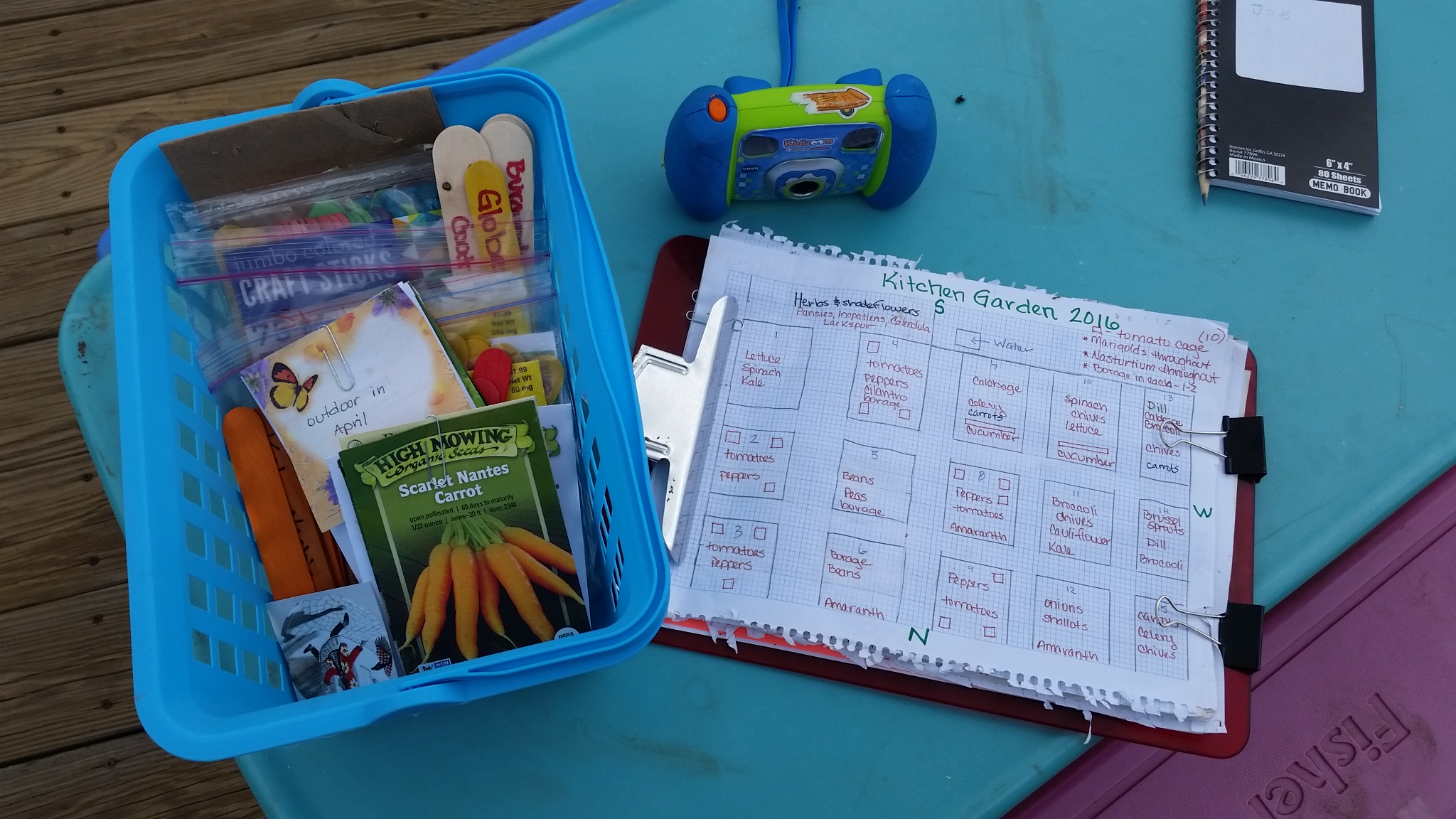
Plantastic kit and kitchen garden plans

20160503_123805.jpg

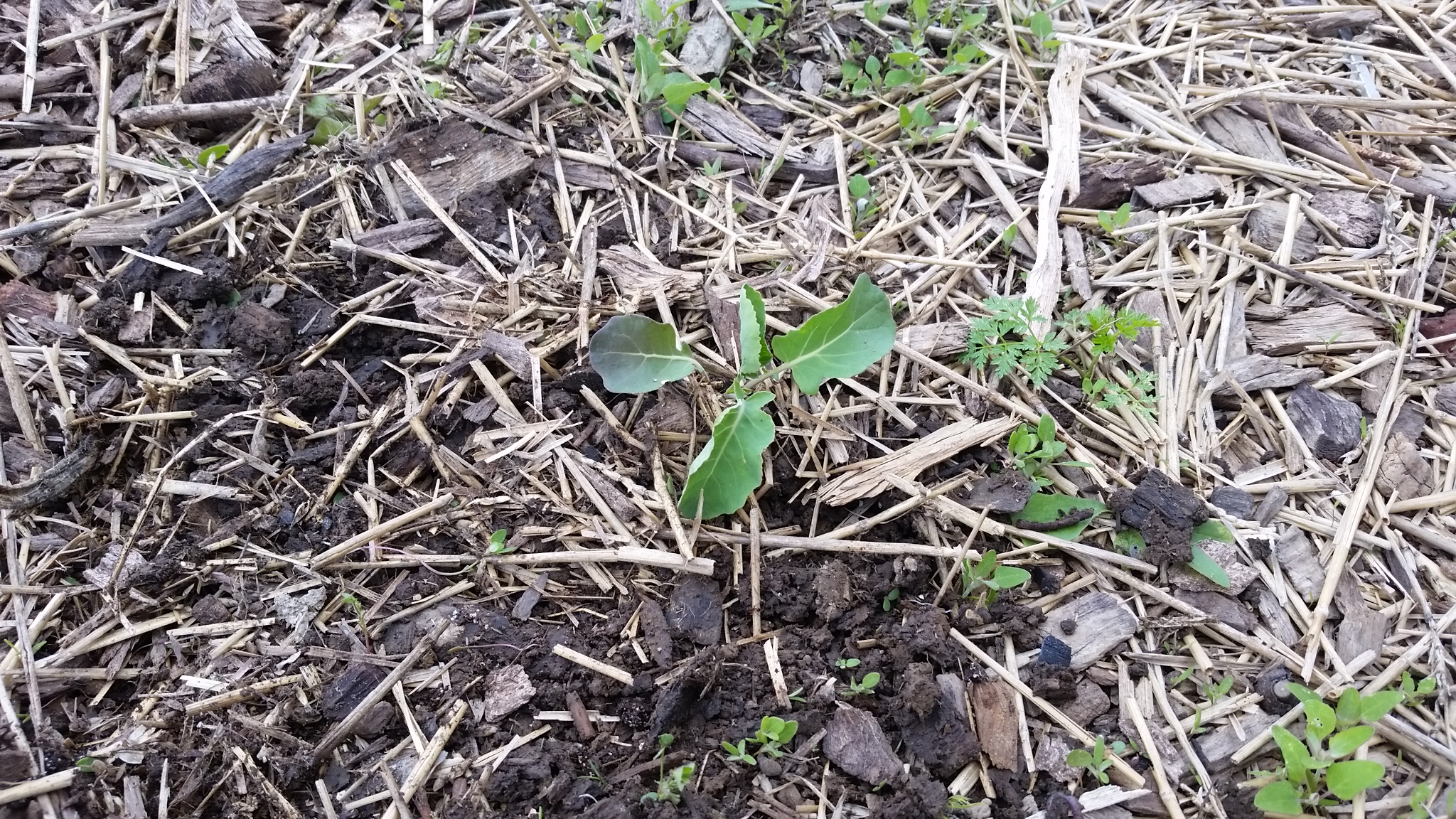
Sad broccoli

20160503_124202.jpg

Borage volunteer

20160503_141830-1.jpg

This is a sign of EXCELLENT soil. Thank you chickens for fertilizing our kitchen garden!

20160503_123252-1.jpg

Joe’s frog named Chick. Why? “When he croaks he sounds like a chick.”

20160503_131320-1.jpg

Planting larkspur in the herb spiral.

20160503_143126.jpg

Getting ready to go on a butterfly hunt.

Zipping Along

The vineyard changes daily. Several times a day.

In the afternoon, I find new growth that wasn’t there in the morning.

I walk to get the mail and bright spurts of color catch my eye.

Shades of every green and yellow pop out at me every time I wander by.

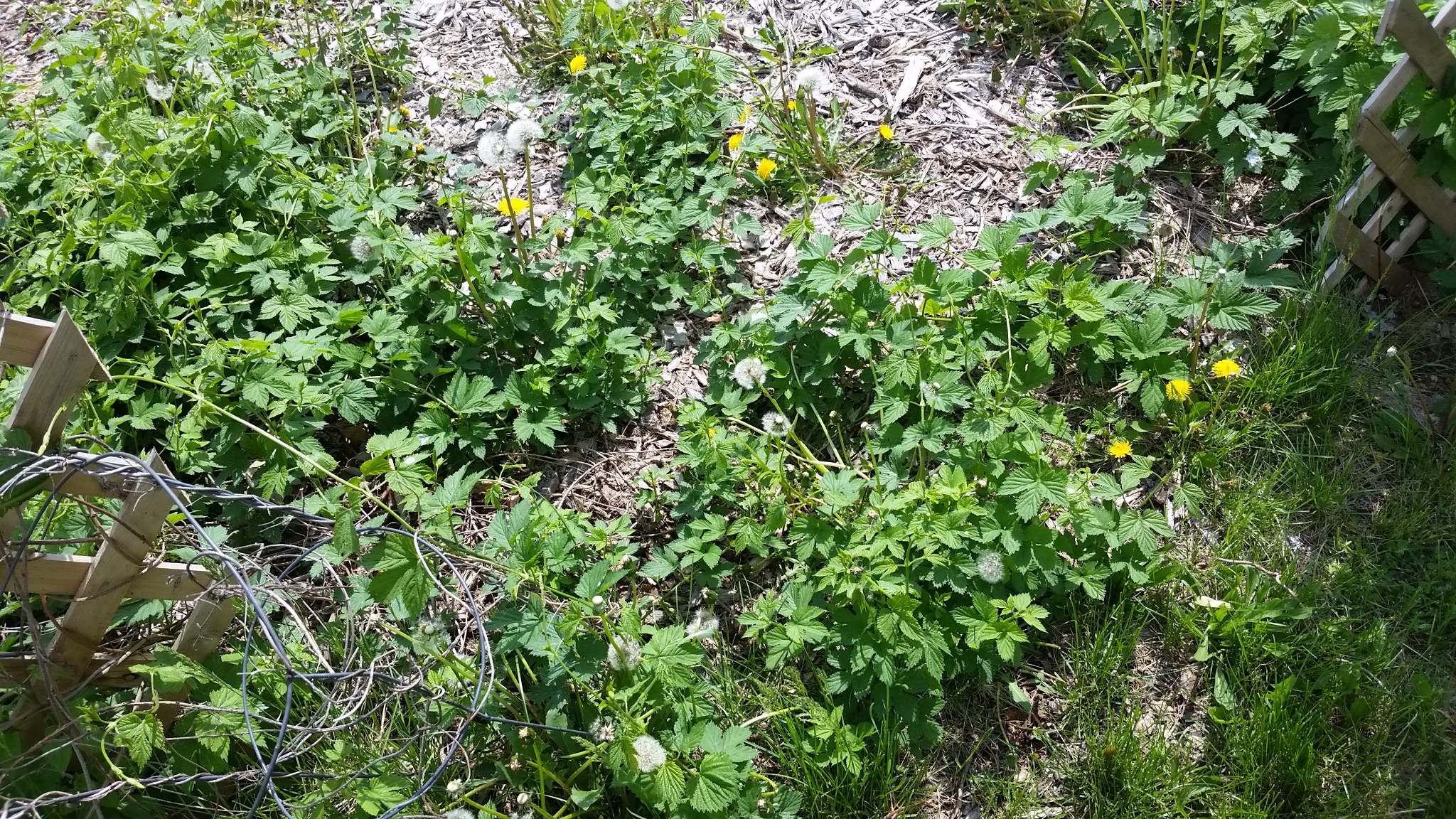
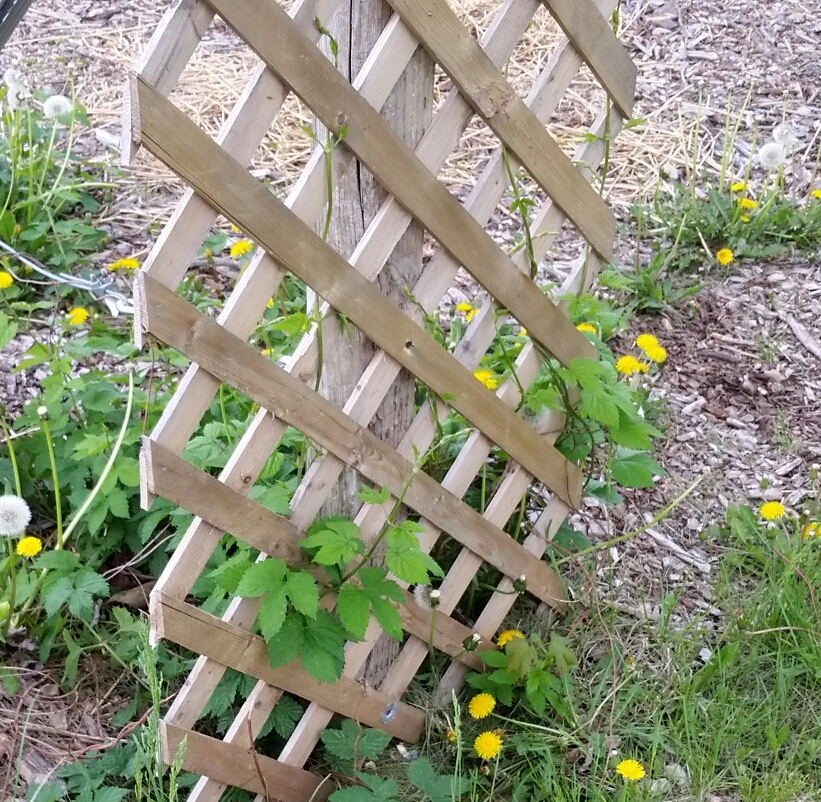
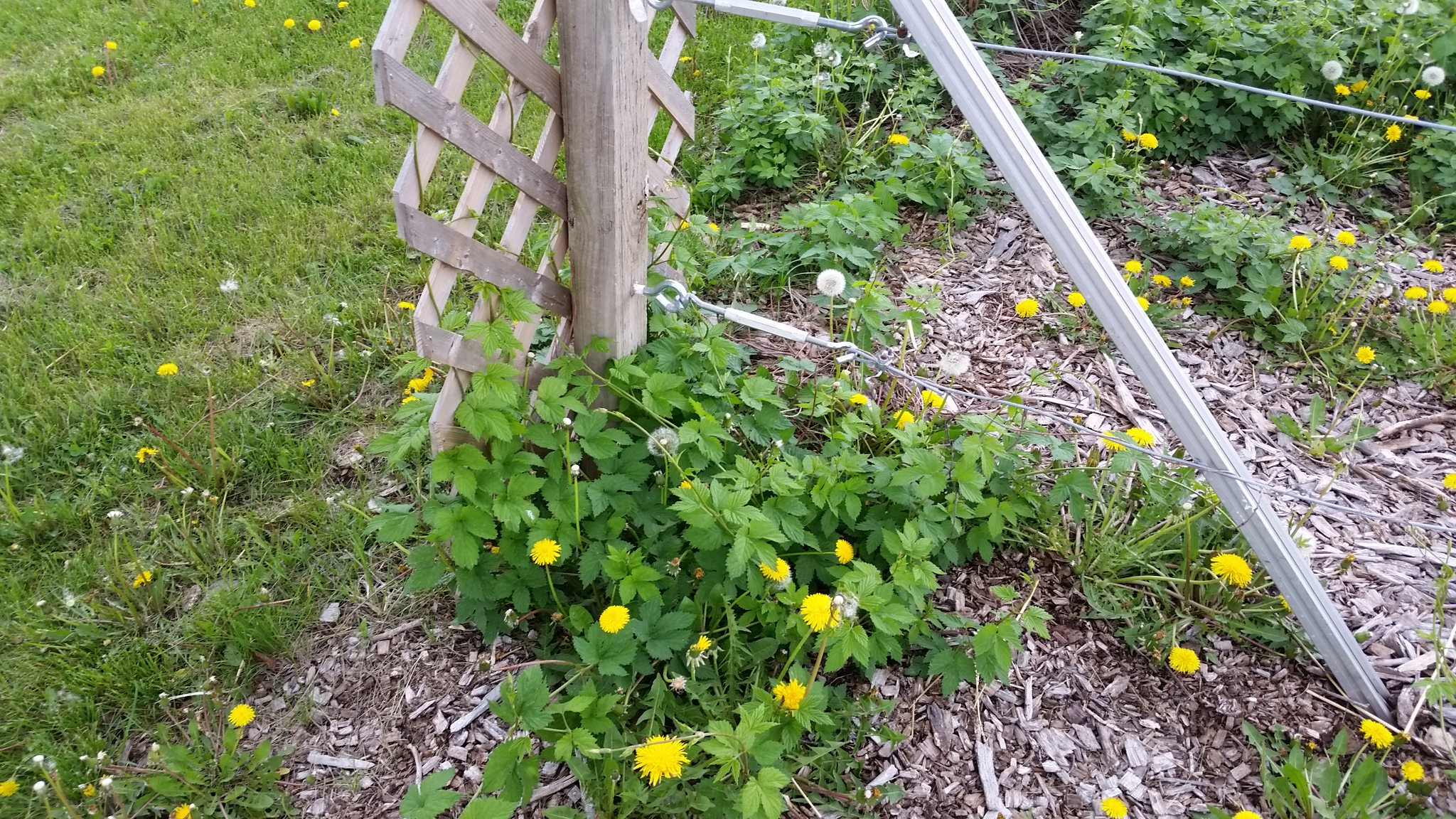
Hops carpet the vineyard.

20160428_143234.jpg

They climb up the trellis.

20160428_143239-1.jpg

They crowd out the dandelions.

20160428_143247.jpg

Beautiful green and pink grape leaves unfurl.

20160428_143214.jpg

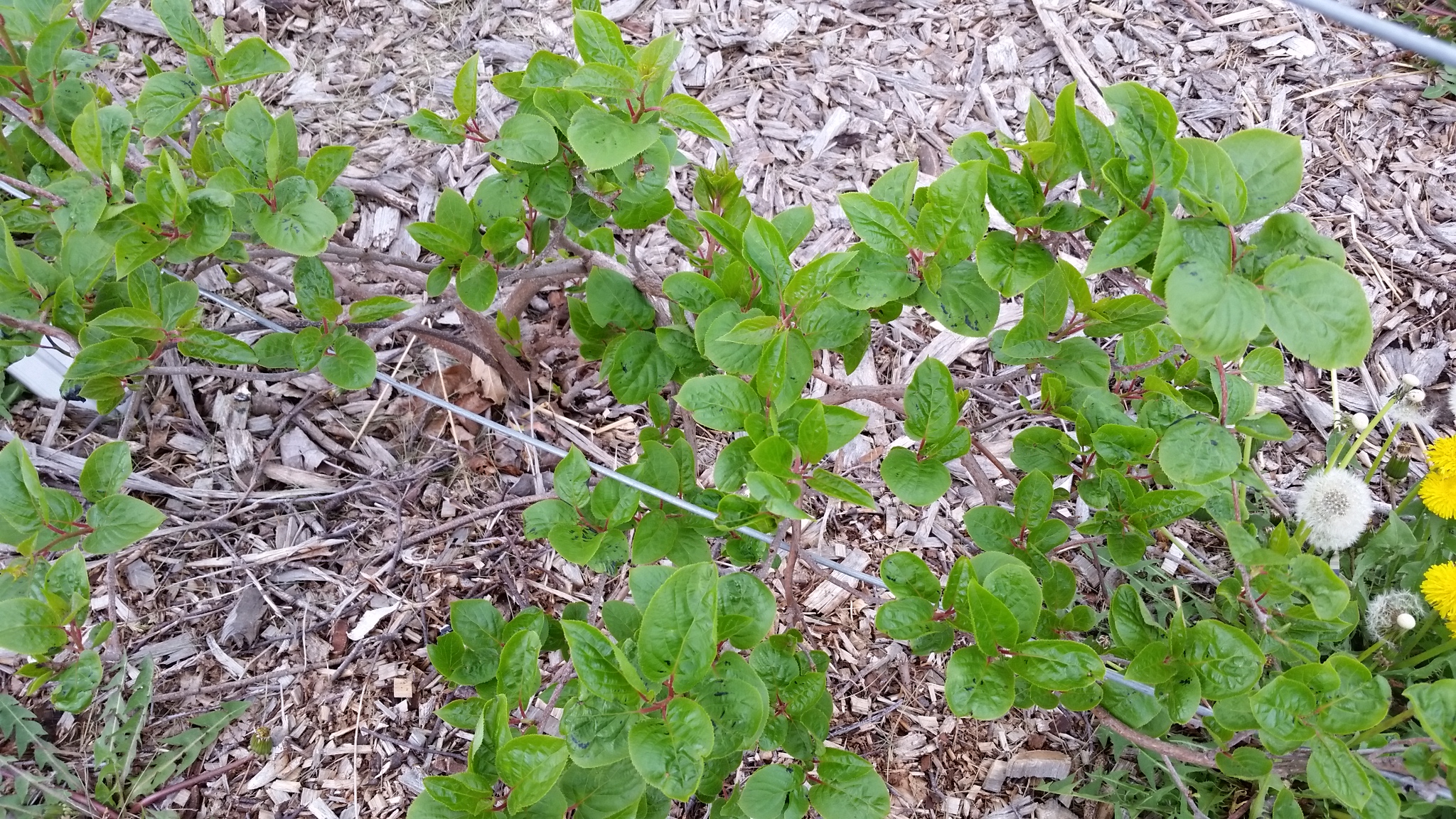
Bright green kiwi leaves spring out of winding vines.

20160428_143143.jpg

The pretty purple phlox, a lone survivor of 8, has doubled in size since only a few weeks ago.

20160428_143559.jpg

The goji berries I planted last year, the ones I thought would never come back, are quietly reaching through the mulch to say hello.

20160428_143253.jpg

Spring is zipping along into Summer.

Spring bounces along
Summer, with a sigh, rushes
Long days, bright sun…joy

(e)Xtraordinary

Today, it’s cloudy, cold and rainy. Yet…even in this dull gray weather, I can see that everything is turning green.

The trees.

The plants.

The weeds.

Dandelions carpet the ground and bees buzz all around.

In the vineyard, the kiwi, grapes and hops are leafing out.

20160424_154806-1.jpg

Kiwi vines

20160424_154833.jpg

Grapes

The mint is starting to take over.

20160412_134930.jpg

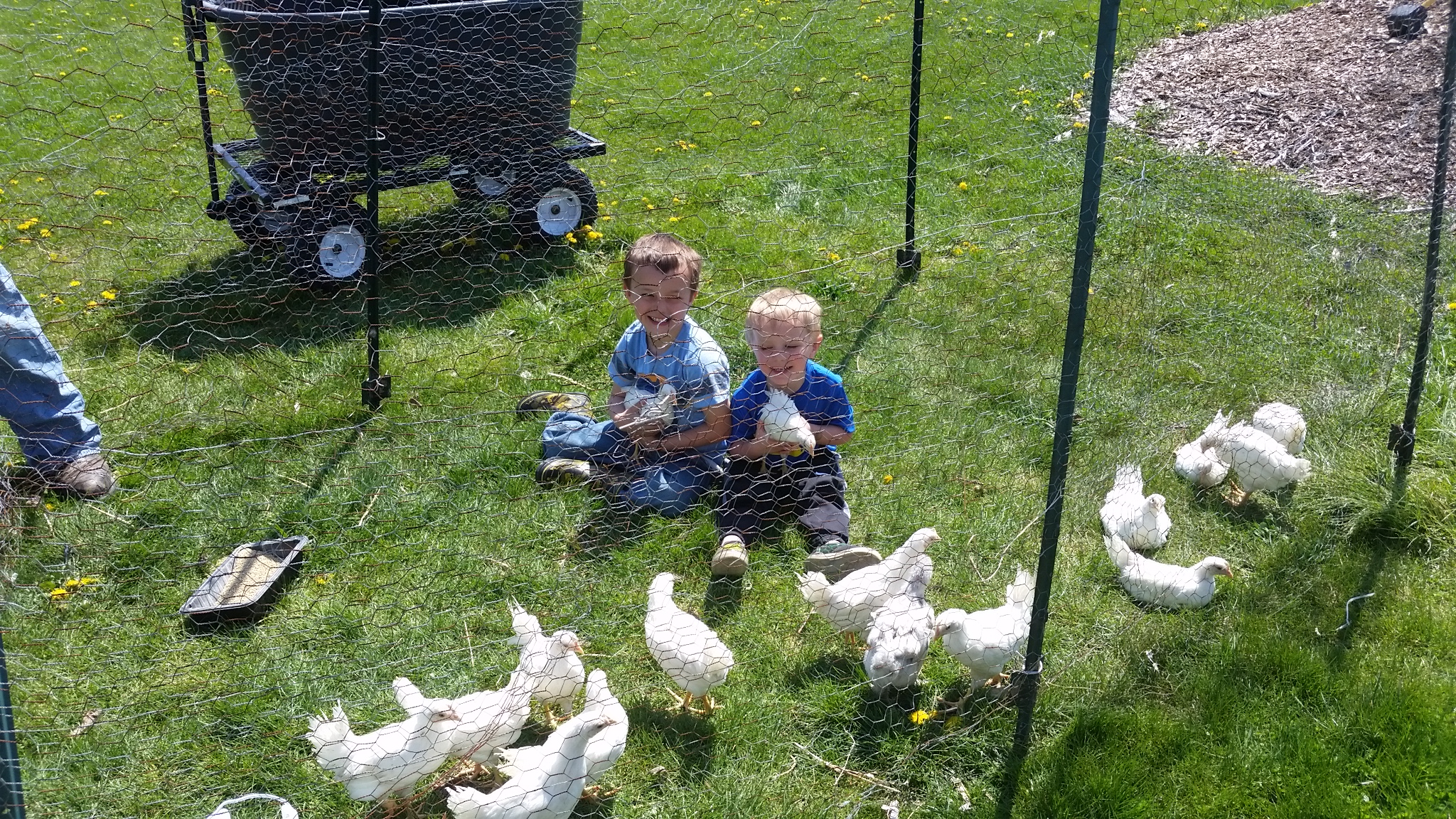
The very first apple tree we planted has blossoms. Gorgeous pink blossoms.

20160424_151131.jpg

The aronias are peppered with tiny white buds.

20160424_155019-1.jpg

The thornless blackberries are leafy and a rogue seaberry plant has popped up underneath one of them.

I did not know that seaberries suckered. We only planted these two years ago and already the root system has spread and new plants have popped up.

I discovered this one last year and another one this year. They aren’t small either.

The aronia’s are doing the same thing.

20160424_155053-1.jpg

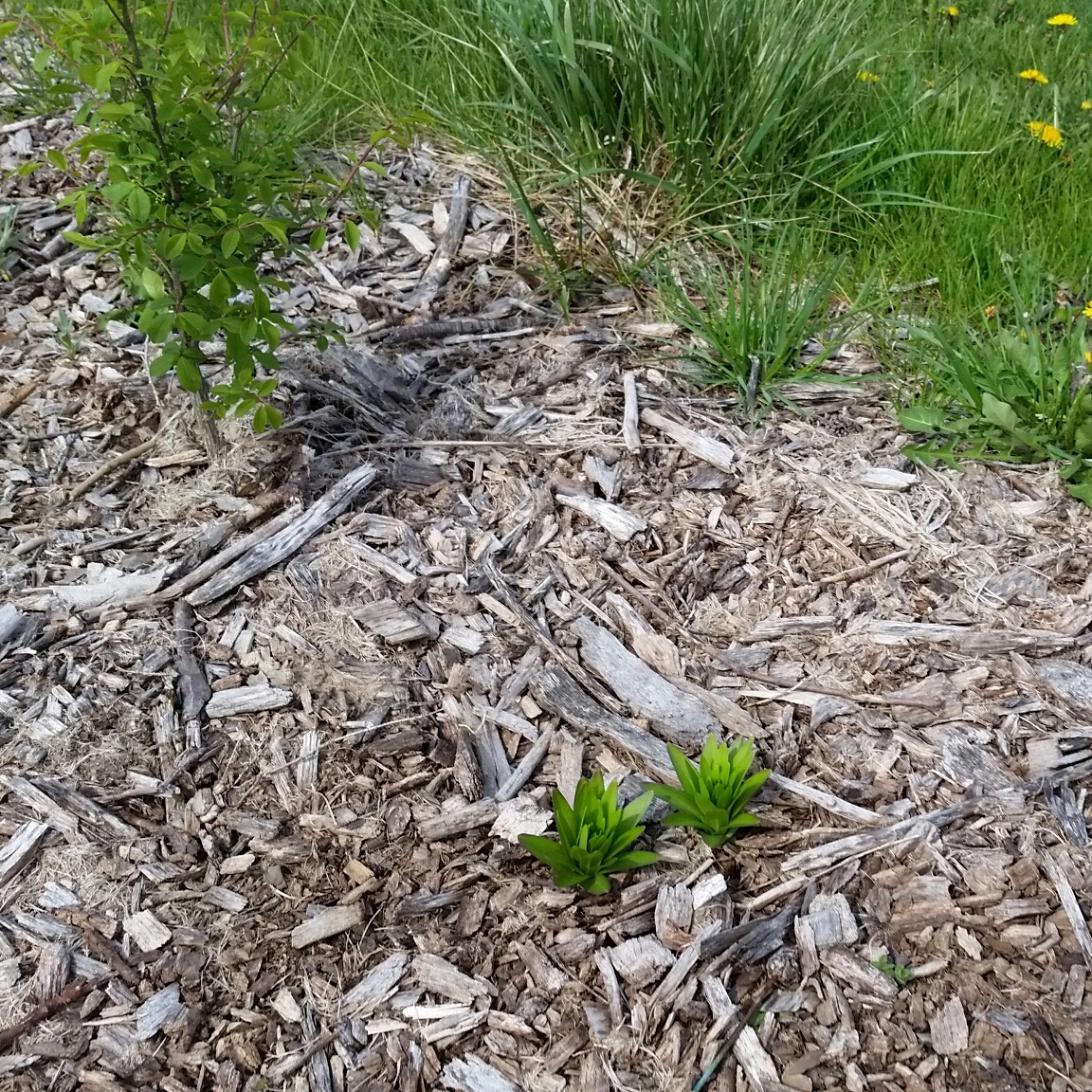
I checked on the burning bush we planted three years ago and noticed that tiger lilies we transplanted last year are popping up…all over the place.

20160424_154928-1.jpg

Our honeyberries have blossoms. I cannot wait to taste these. Some people say they taste like a blueberry/raspberry cross. Others say they have a kiwi flavor and still others a grape flavor.

20160424_155133-1.jpg

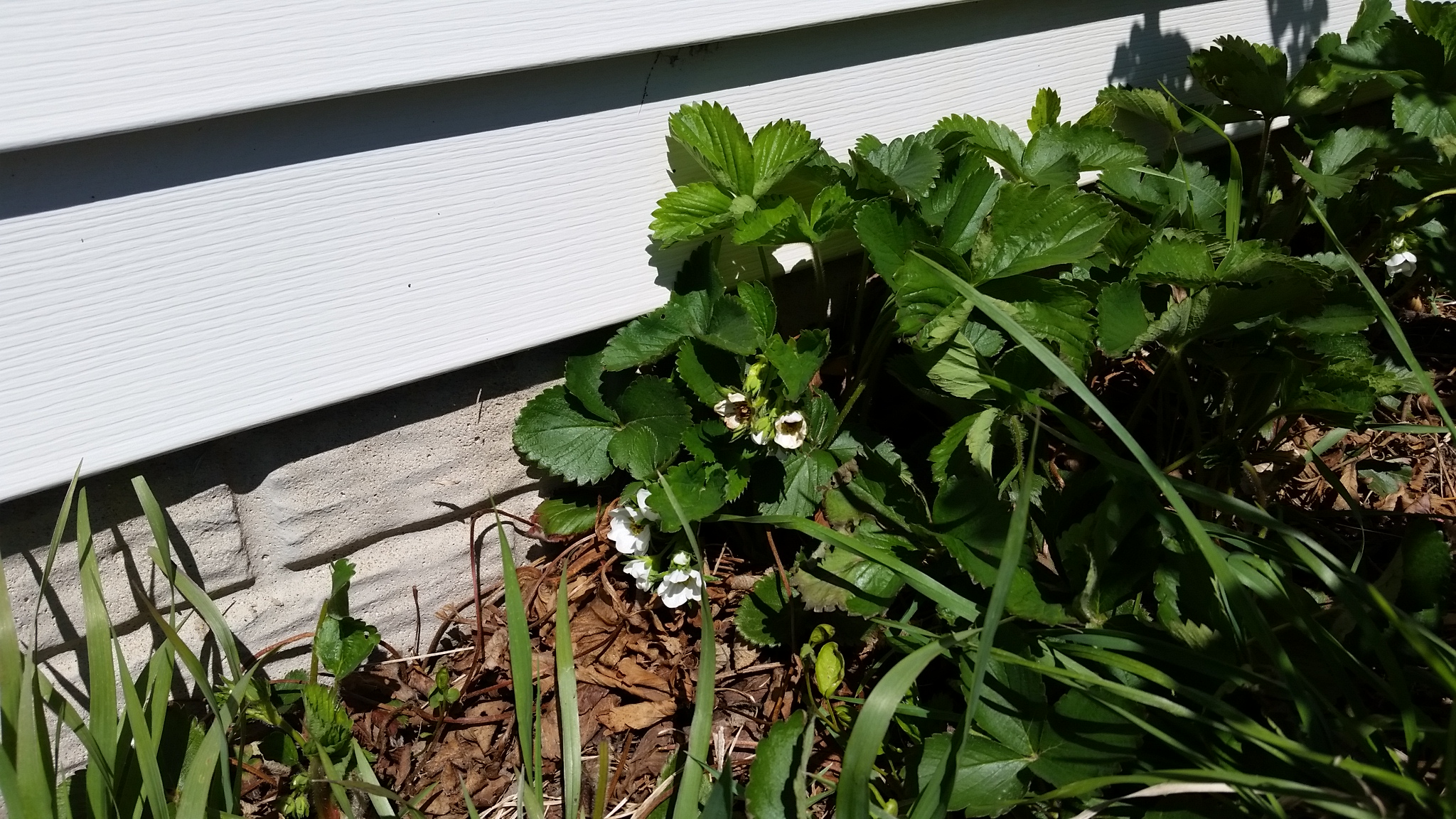
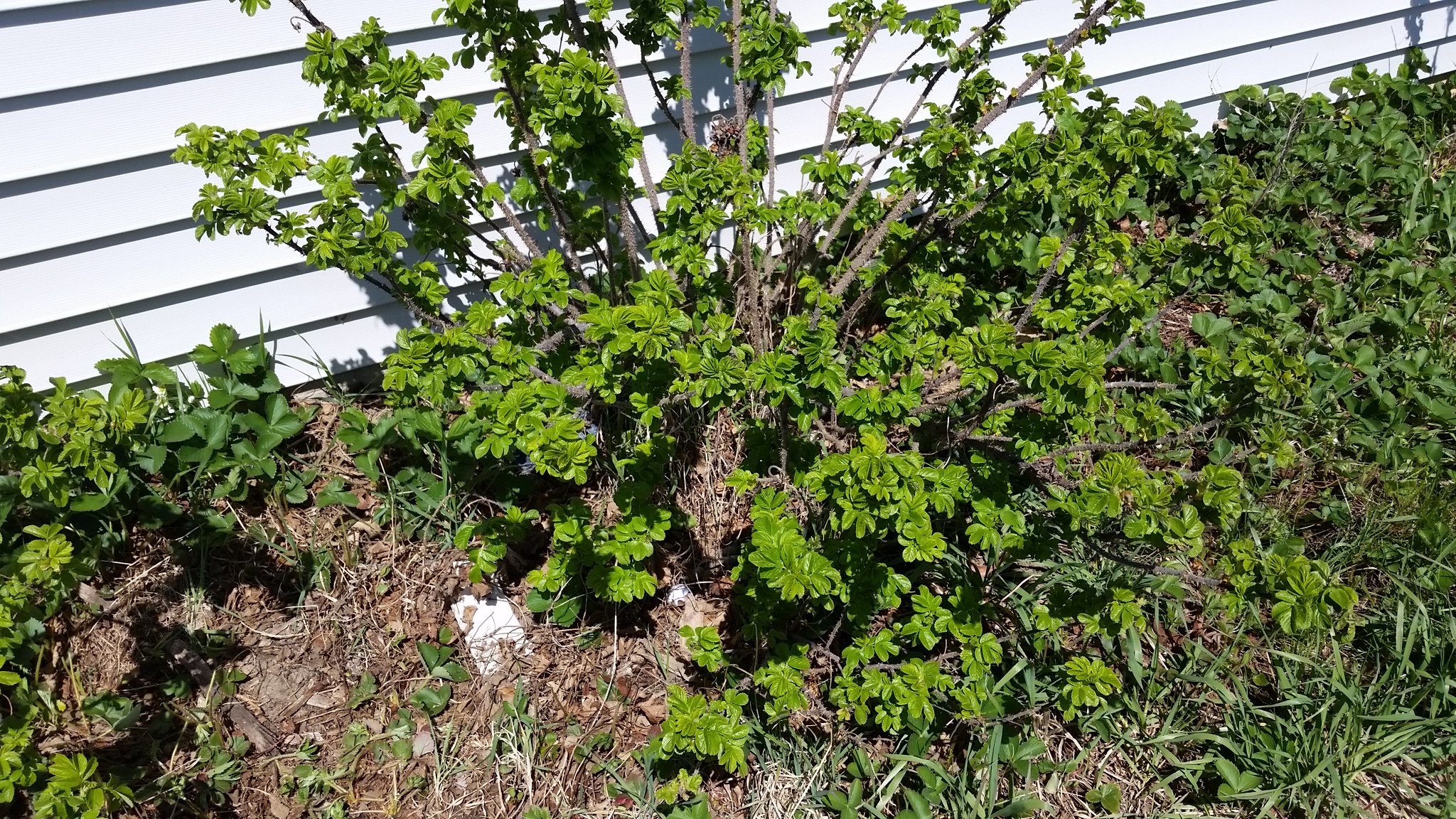
Our strawberry patch is ridiculous. They’ve spread and completely taken over the area under the rose bushes.

20160412_135121.jpg

I’m a little worried about one of the rose bushes. While two are booming and blooming, one has several empty branches and the leaves, rather than being a bright green, are a sad greenish yellow.

I am going to try fertilizing this one and cutting out the empty branches. It could be that it is being flooded. It’s right by a leaky spicket.

20160412_135139.jpg

Comfrey is everywhere in the swales.

Comfrey is a dynamic accumulator…in other words it’s a miner. The roots go deep and mine nutrients from the soil. The nutrients make their way up through the roots and leaves.

The nutrients in the soil increase by just having this miracle plant in the ground. We plan to dig up some of these, split them and transplant them around our newly planted trees.

20160428_075858.jpg

Every single cherry tree we planted a few weeks ago has leaves.

Every. Single. One.

20160424_134453.jpg

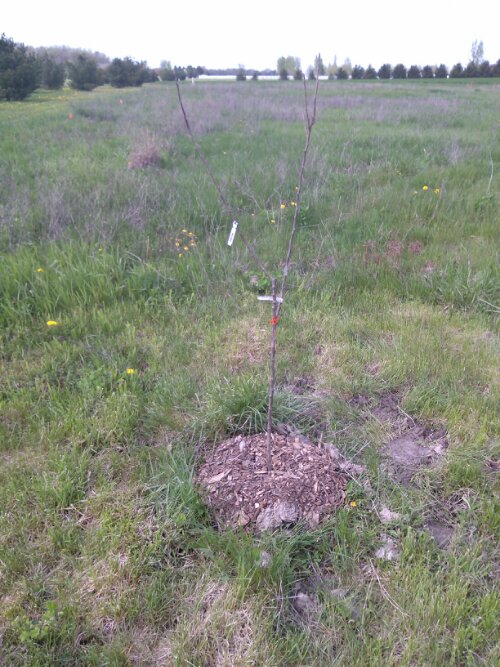
And finally, our little chicks have grown into pullets…or teenagers.

20160425_183107.jpg 20160425_183156.jpg

Yep, quite a bit is booming and blooming on our homestead.

I take before, midway and after pictures every season and the transformation from dull grey to extraordinary green never ceases to amaze and impress me.

From plain, dull grey-brown
To vibrant and beautiful
Nature works wonders

Underneath

On top, the soil looks like a dry, cracked and dusty gray stone.

But underneath...roots tangle, worms slither and grubs battle. Underneath a whole world erupts, struggles and thrives.

Underneath. Back stage. Behind the curtain.

It’s where the work starts and where the foundation must be built strong.

20160424_150209.jpg

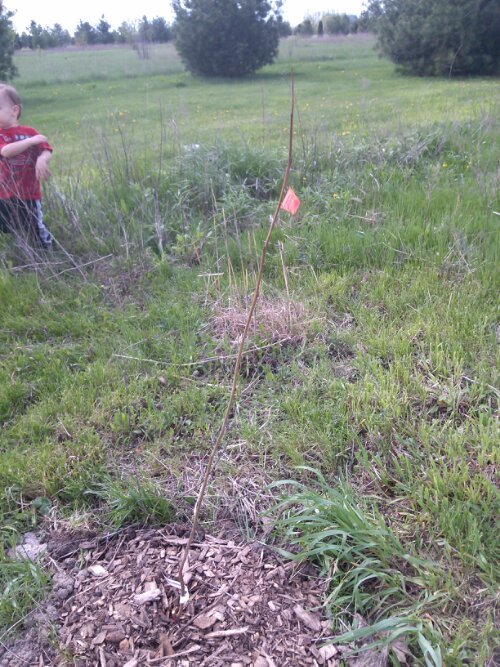
When we planted trees a few weeks ago, they all looked like a brown sticks jutting out of the ground.

We planted them in good, well-drained soil.

We mulched and we watered and we mulched some more.

Then we left them.

For days and days, nothing happened…above ground that is.

But now leaves are budding.

Underneath, the roots were making friends and allies and were hard at work getting those leaves to bud.

20160424_134453.jpg

The roots are fully engaged and strong.

There will be small skirmishes with Japanese beetles and aphids or deer or some other pesky nuisance, but the roots are primed for the tree to succeed.

There is no turning back now.

20160424_150213.jpg

A good foundation
A place that it all begins
The root of it all

Quite Frustrating

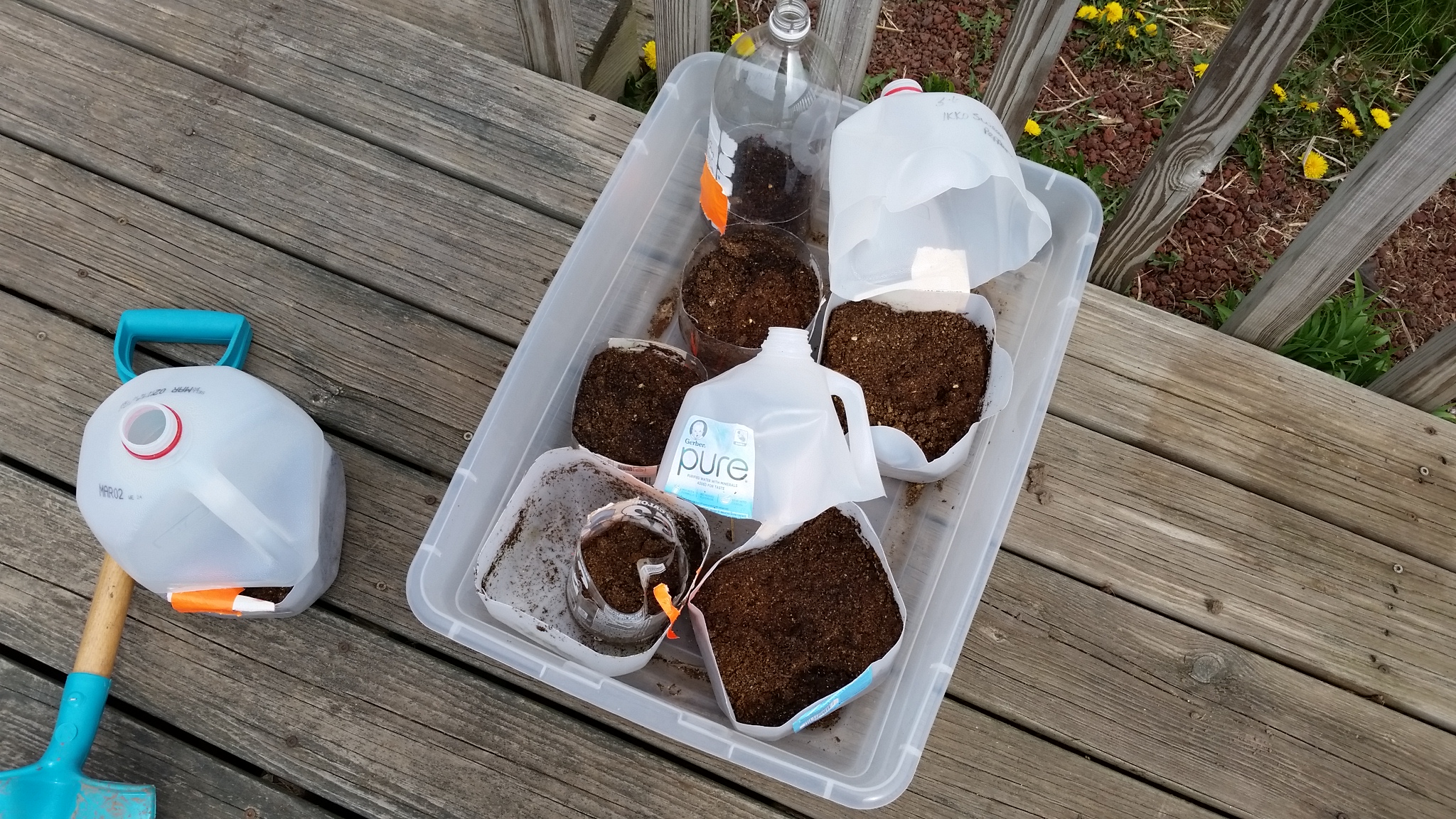
This weekend, I opened up my winter sown seeds and discovered…not much.

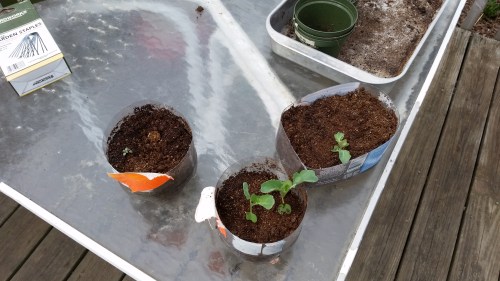
The cabbage and broccoli were puny, the tomatoes and peppers non-existent and the herbs barely sprouted.
20160419_110315.jpg

Cabbage and broccoli…sage on the left.

20160419_110326.jpg

Non-existent tomatoes and peppers.

I was sad and quite frustrated.

I spent quite a bit of time making my mini green houses, drilling my holes and planting my seeds. So many blogs and fellow gardeners have had such success with this method.

What did I do wrong?

Did I take the lids off too soon?

I don’t think so. I waited until early April to remove the lids and we did not have another frost or near frost after that.

Did the soil get too wet?

I think this may have been part of the issue and a big reason why many of the seeds didn’t even sprout. The greenish moss/mold looking stuff I found may just be algae, but it is a sign that the soil is getting too wet and the seeds are drowning. It may be that I didn’t drill big enough drainage holes.

Did I use the wrong containers?

Possibly. The seeds that did sprout were in clear 2-liter bottles and milk jugs that were more transparent. The clear containers allowed more sunlight to penetrate, and worked more like an actual greenhouse.

Did I let the soil get too dry?

Should I have opened the tops on those really warm days?

Were the seeds too old, affecting the germination rate?

In all my research, these are a few common mistakes, but most of them happen to the sprouted seedlings and do not affect the germination.

Luckily, this was an experiment and I did not rely on this method for starting ALL my seeds. I started more tomatoes and peppers under grow lights in the basement.

20160419_110309.jpg

Even though I’m disappointed at the failure of this method, I’m not going to completely give up.

I’m going to try it again next year, but focus more on those cold-hardy annuals.

  • Broccoli
  • Cabbage
  • Brussels Sprouts
  • Lettuce
  • Kale

I’m going to drill bigger holes for drainage and make sure to take the tops off on really warm days.

I’m going to make sure to use seeds that have not “expired”.

And…I’m going to try another experiment.

Ray remembers seeing a sea of milk jug tops in his grandma’s garden in the winter, and I remember seeing the same in my babysitter’s garden when I was younger.

I didn’t really understand what she was doing, and I didn’t think to ask why.

Now I get it.

They were using mini greenhouses, similar to row covers and starting their seeds directly in the ground.

In winter.

I see lovage and chives already growing in my garden. Volunteers from last year.

20160419_110447.jpg

I see cilantro sprout, tomatoes take over and dill grow into a forest.

I see plants we let go to seed sprout up, stronger and more aggressive than the seedlings we start, baby and transplant.

I went back and re-read the post I wrote in January when I first learned about winter sowing. This passage struck me:

And why not? Just think of all the volunteers that sprout and grow, most of them ending up being stronger than the seeds I start.

They are outside, hibernating all Winter.

They aren’t watered and pampered…to death.

They wake up in the Spring and push through the soil and end up being stronger than the seeds I start in my basement.

It’s observing then interacting with Nature. It’s Permaculture.

I’ll save my mini greenhouses and give it another try next year, but this time…I’ll plant the seeds in the ground and cover them with the tops.

And why not?

I feel so very silly
That I failed to see
That sowing seeds in winter
Is done so easily

I’ll plant seeds in the fall
I’ll cover them with tops
I’ll look for volunteers
My perfect winter crops!

Ouch!

Sunday was a fun day
We worked out in the yard
The chicks were happy playing
The boys were working hard

20160416_113612.jpg

I worked, I toiled, I labored
I shoveled, scooped and hauled
The sun was hot and crispy
The breeze so cool and small

20160417_191623.jpg

The paths were in the garden
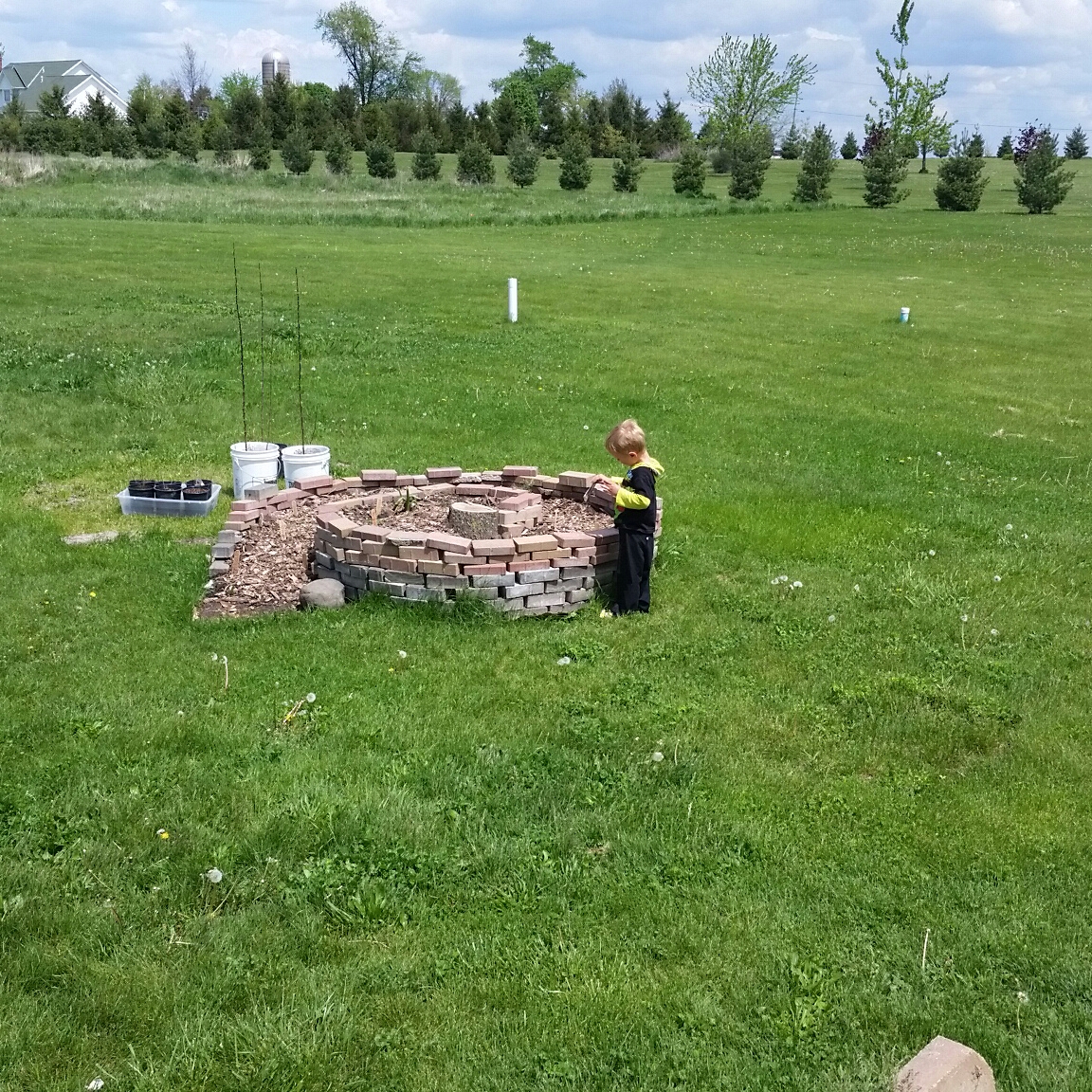
The spiral full of dirt
The chicken run was started
And still we worked and worked

20160417_191701.jpg

At the end I felt it
The burning on my arms
The boys of course, I’d coated
To keep them from sun’s harm

I didn’t think to use it
I didn’t even try
So now my skin is crispy
I’m trying not to cry!

OUCH!

20160415_175724.jpg

Lovely

Three years ago, we planted an apple tree and two mulberries on the Northwest side of our homestead.

We planted saplings. Leafless, scrawnyy saplings.

wpid-0506131555b.jpg

Two-variety apple – 2013

wpid-0506131555a.jpg

Illinois everbearing mulberry – 2013

wpid-0506131555.jpg

Dwarf mulberry – 2013

We had plans to turn that area into an orchard, but with only three trees it was dubbed “the fruit tree area”.

Not very clever.

Now, just a few short years later, the scraggly saplings have grown strong with aspirations to become full-grown trees.

wpid-20150525_183522.jpg

Two-variety apple – 2015

wpid-20150410_150307.jpg

Illinois everbearing mulberry 2016

wpid-20150525_183532.jpg

Weeping Mulberry – 2015

We watered them for the first season. We fertilized them a bit. But then, aside from caging them to give them a chance against the deer, we let them fend for themselves.

They’ve been through a lot these past 3 years.

They’ve bravely withstood being deer snacks and quickly rebounded from vicious Japanese beetles assaults.

I like to think that the phrase “what doesn’t kill us makes us stronger” can be applied to these three little tree-lings.

Last Saturday, we added more apple trees and a few cherry trees. Our “fruit tree area” has graduated to an orchard.

An orchard deserving its own sketch-up.

20160410_175922-1.jpg

An orchard full of 2′ saplings and three leafy tree wannabes, but still…an orchard.

Just wait a few years.

It will be lovely.

Mulberries and cherries
Apple trees…all kinds
An orchard green and merry
A lovely haven…mine