Category Archives: Life

Colder

The days are getting colder
The air is crisp and cool
The hens are getting older
To keep them would be cruel

Soon winter winds will roll in
Snow falling close behind
We’ll only keep a few hens
To keep warm and confined

We started with the old gals
We sent them on their way
Then we retired our dear pal
Poor Blue’s seen her last day

Please try not to feel sad
Blue was a lovely hen
But finding eggs that smell bad
Well...I won’t do that again

We’re keeping dear old Pecky
To hatch eggs for next year
That rooster is so lucky
That he is in the clear

The chickens have been helpful
The eggs they laid were great
And now they will be useful
Supplying us with meat

 wp-1477943468011.jpg

The Bug House

Every day Joe finds a caterpillar or worm to add to the bug house.

The tiny space is almost at full capacity and soon, we will have to build on an addition to make more room.

“I have to put them in here because they won’t survive the winter.”

wp-1476657566036.jpg

But, don’t they? Don’t they find some way to survive the Winter, at least as eggs or larvae, to be born again in the Spring?

Of course they do! But…how?

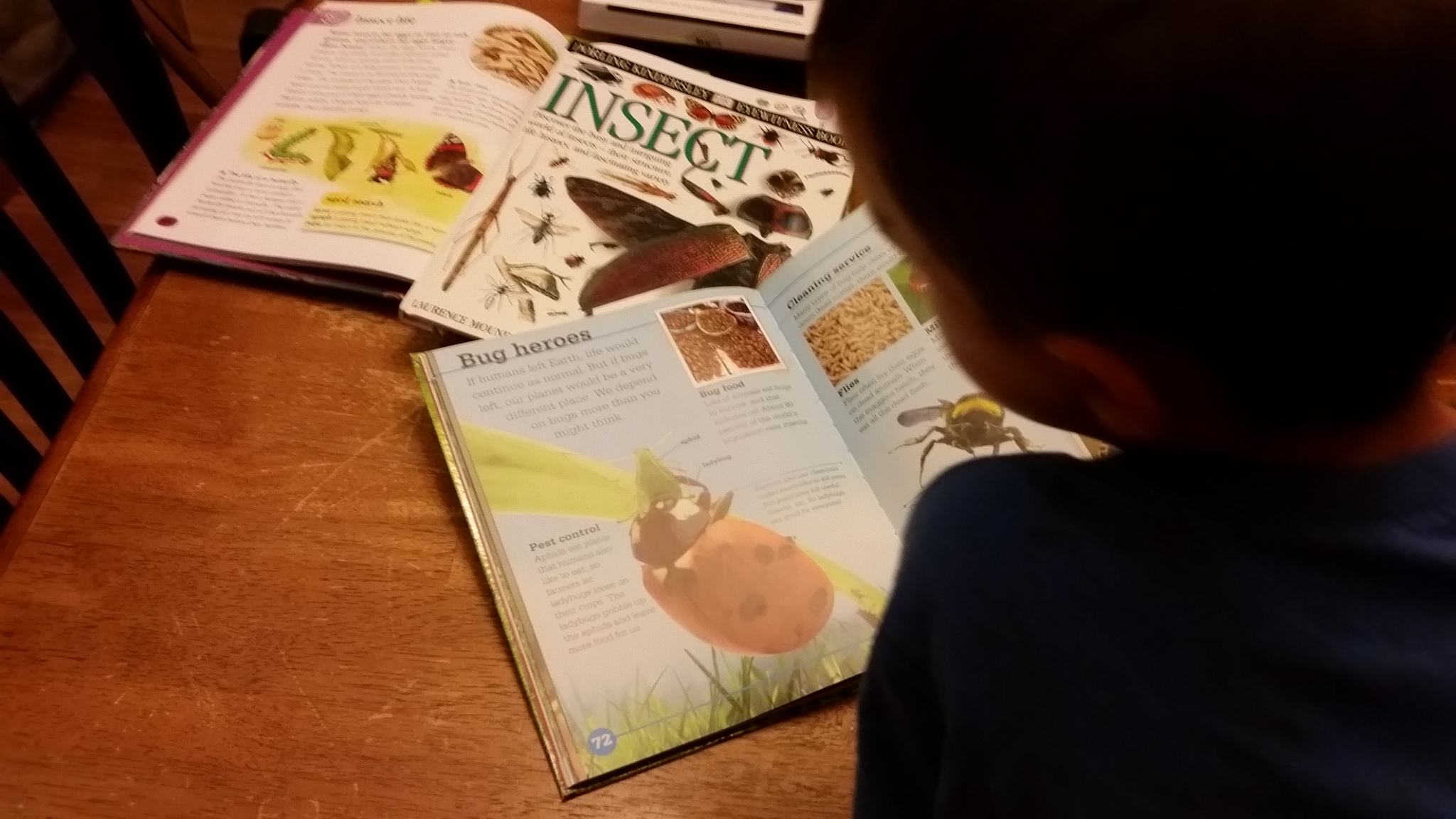
We were both curious, so we googled it and looked it up in our bug books.

wp-1476660072477.jpg

And guess what? Bugs don’t just survive the winter as eggs or larvae.

Some, like the Monarch butterfly, migrate to avoid the cold.

Others, like the ladybug, hibernate. They stack themselves up on logs and under rocks, sharing heat and creating a buffer against the wind. How cool is that!?

wp-1476660786737.jpg

Grasshoppers bury their eggs under the soil to protect them from the cold.

Still others, like Japanese beetles and water insects, survive winter as grubs or larvae, under the surface of the ground or underwater.

So this winter, the bug hunters will be active. We will look for ladybug towers and search for beehives. And in the Spring we’ll be digging up those Japanese beetle grubs and feeding them to the chickens.

wp-1476661045383.jpg


Look Mom!

Joe came running up to the house with a ‘surprise’ hidden behind his back.

“You are not going to believe this!”

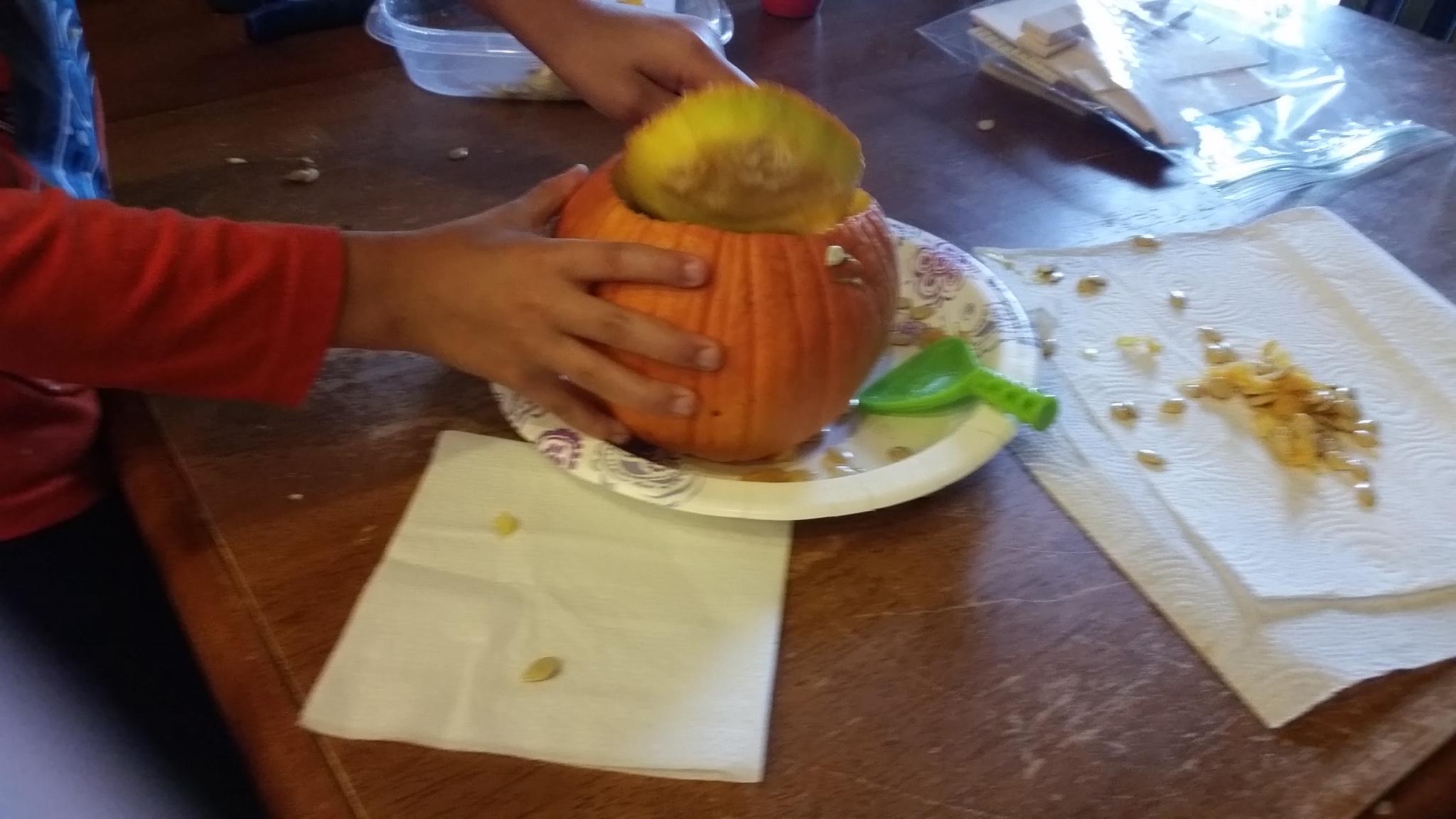
He slowly pulled his arms around and revealed a small pumpkin. The look on his face, the light in his eyes and the excitement rolling off of him in waves was so contagious.

It was a small pumpkin, but we carved it and roasted the seeds while talking about how it got there when we didn’t plant it.

wp-1475976104573.jpg

We really didn’t plant pumpkins this year. Not in the garden, not in the vineyard and definitely not in the swales.

But last year, we did throw a seed mix down behind the chickens as we moved them through the swales. And we did feed them kitchen scraps.

wp-1470773241518.jpg

Joe and I went walking in the swales to see what else we could find.

We found red and yellow raspberries…ripe and ready to eat. They were hidden in the tall grass and they were oh-so-sweet and yummy!

We found lettuce and mint growing wild.

We found wild mulberry trees.

There is SO much abundance on our land!

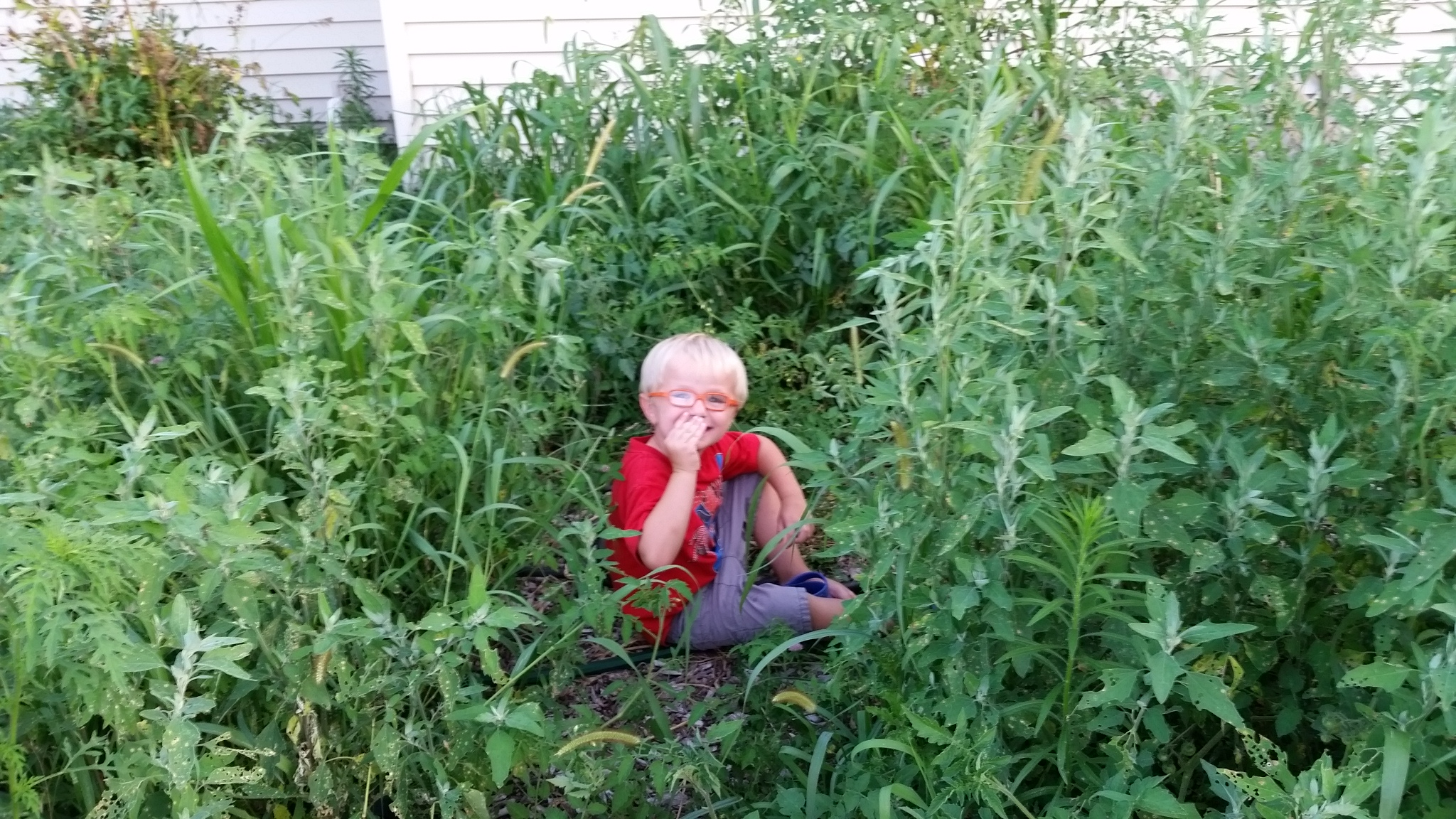
We’ve guerilla gardened in our own backyard with seed bombs and chickens.

We’ve forgotten what we planted and transplanted.

We’ve let Nature do that thing she does so well…grow. We’ve created a food forest for our boys to explore.

“Look Mom, raspberries!”

“Look Mom, chocolate mint!”

Look Mom…joy.

wp-1470964414256.jpg

Pumpkins in the swales
Foraging our own backyard
Sweet berries and mint

The Bike Ride

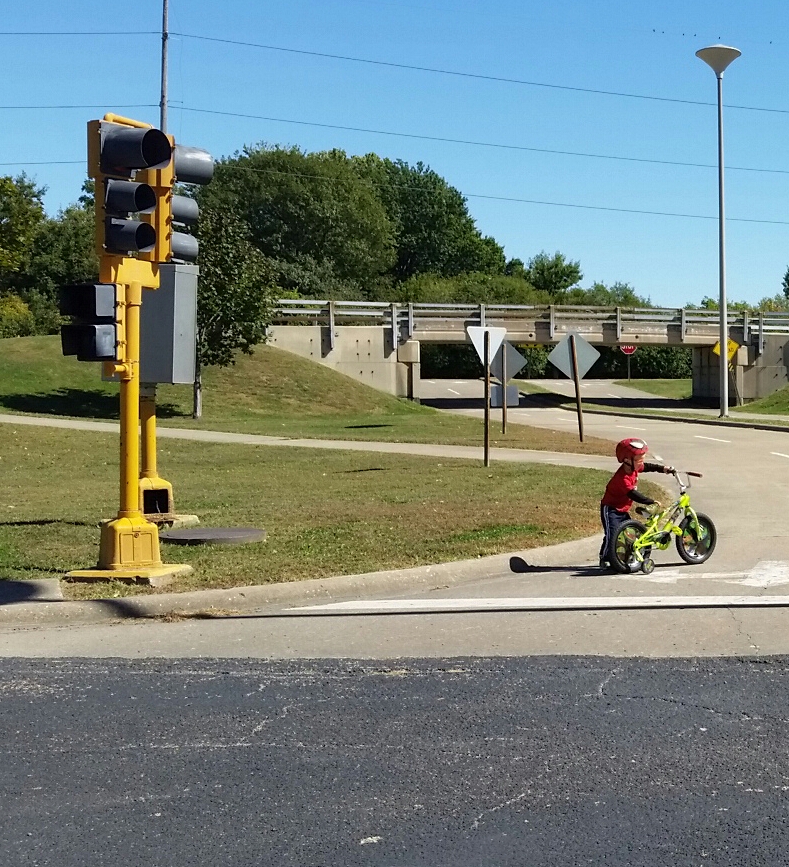
I learned to ride my bike today,
Please come outside and see!
My brother wants to do it too,
So he can be like me!

Watch me pedal down the lane
I can go so fast!
See this trick that I can do?
I’m having such a blast!

Can I go out in the road?
Can I show my friends?
I cannot wait to show them all
I hope this ride won’t end!

I want to ride it to the store
I want to ride it far
Look I’m riding in the grass!
I’m faster than a car!

This is so fun, this is so great
I love to ride my bike
Will you come and ride with me?
I’ll lend you my old trike!

wp-1475022080178.png wp-1475015219650.jpg wp-1475015219362.jpg

The Lazy Gardener

I have been a lazy gardener this year.

The kitchen garden looks like a jungle with volunteer cherry tomatoes running wild and broccoli going to seed.

wp-1469806024282.jpg

The fedge has been taken over by seaberry and blackberry plants.

wp-1474323196178.jpg

Seaberry is popping up all over the place!

wp-1474323196184.jpg

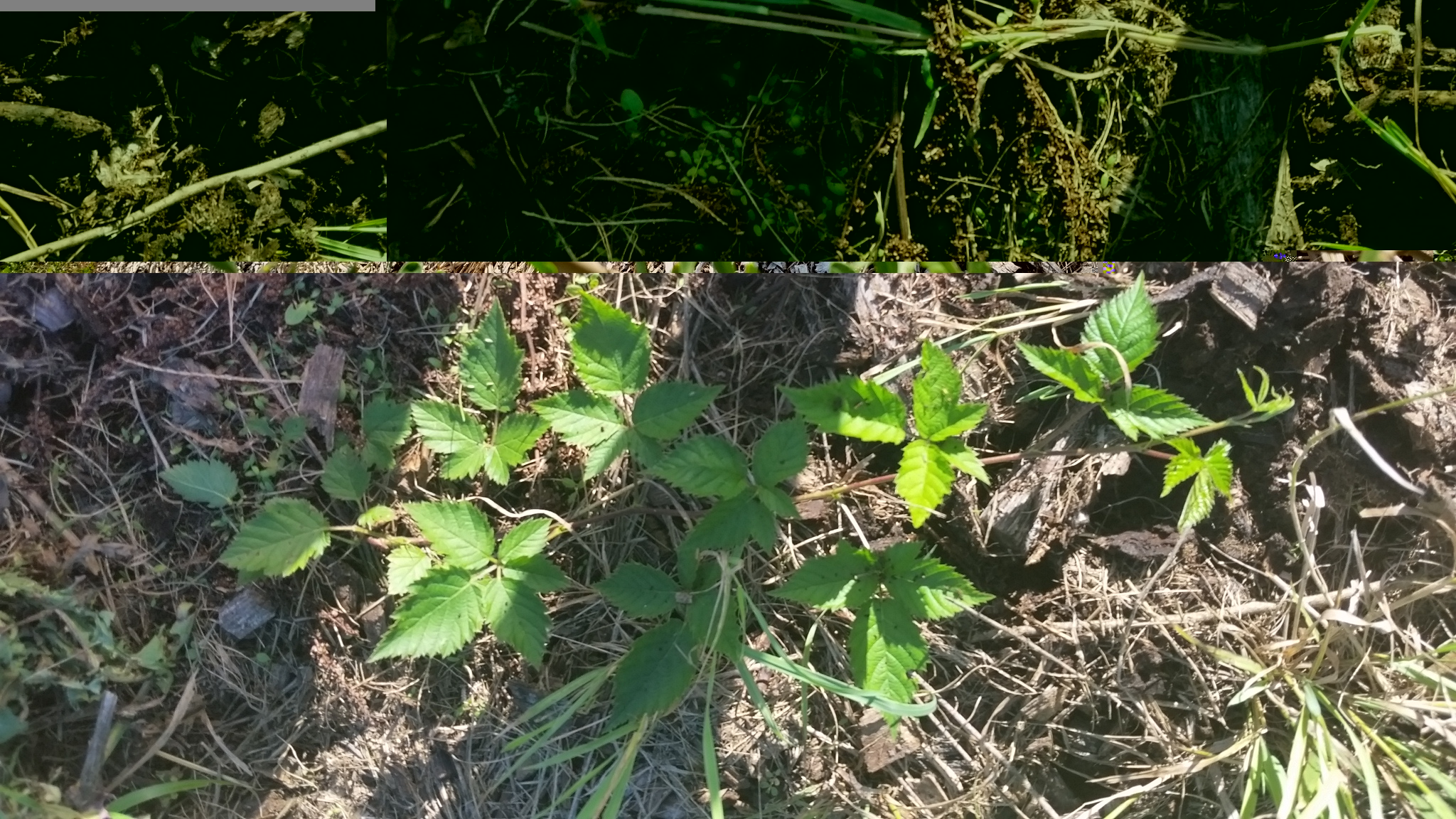
Blackberries are shooting underground.

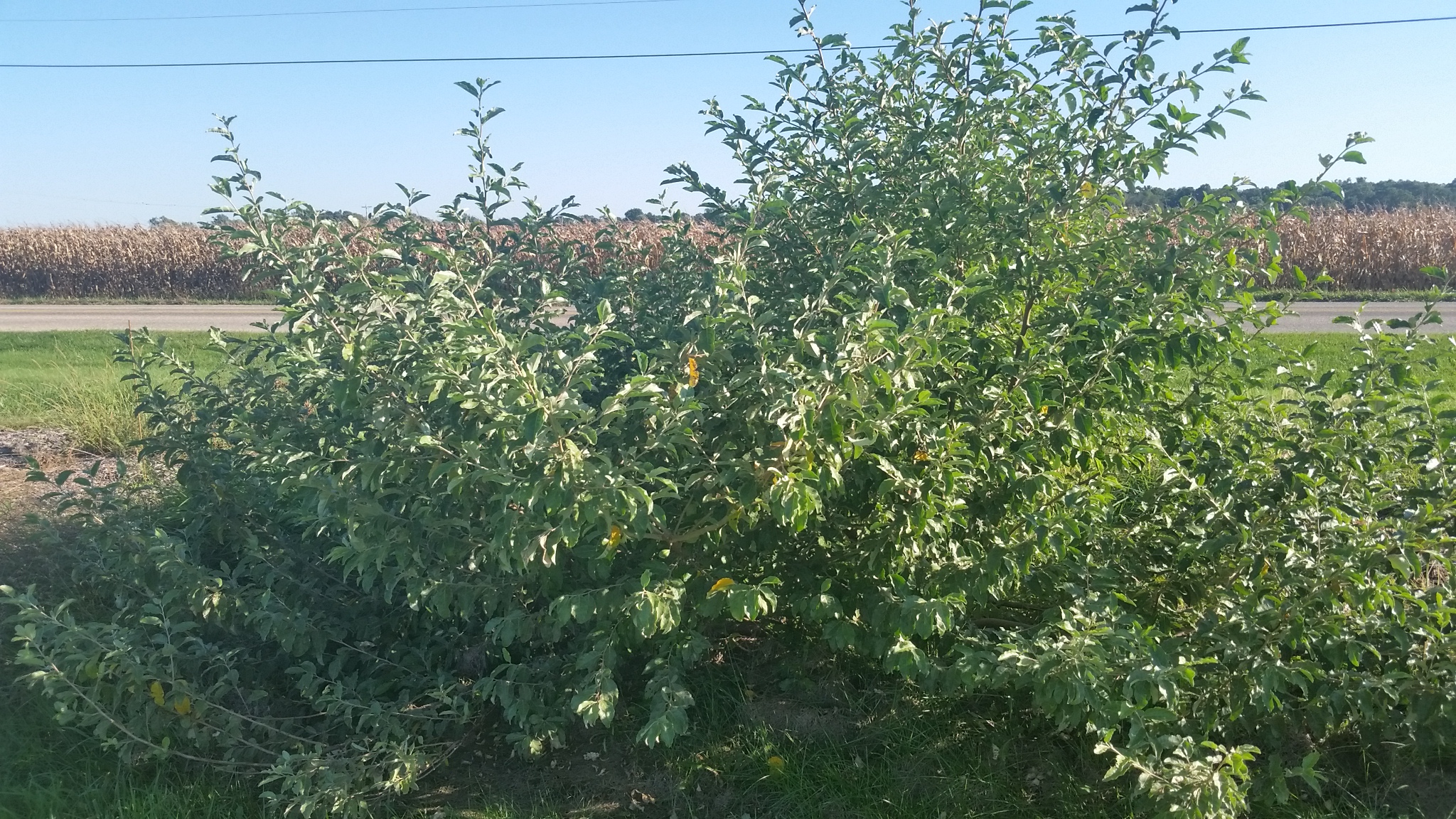
The lone autumn olive is huge…I mean it is ridiculously ginormous. We have to prune it because it is suffocating the honeyberry we have planted next to it and threatening to take out the aronia on the other side.

wp-1474323624260.jpg

Autumn olive

The plants in the vineyard are at war with each other.

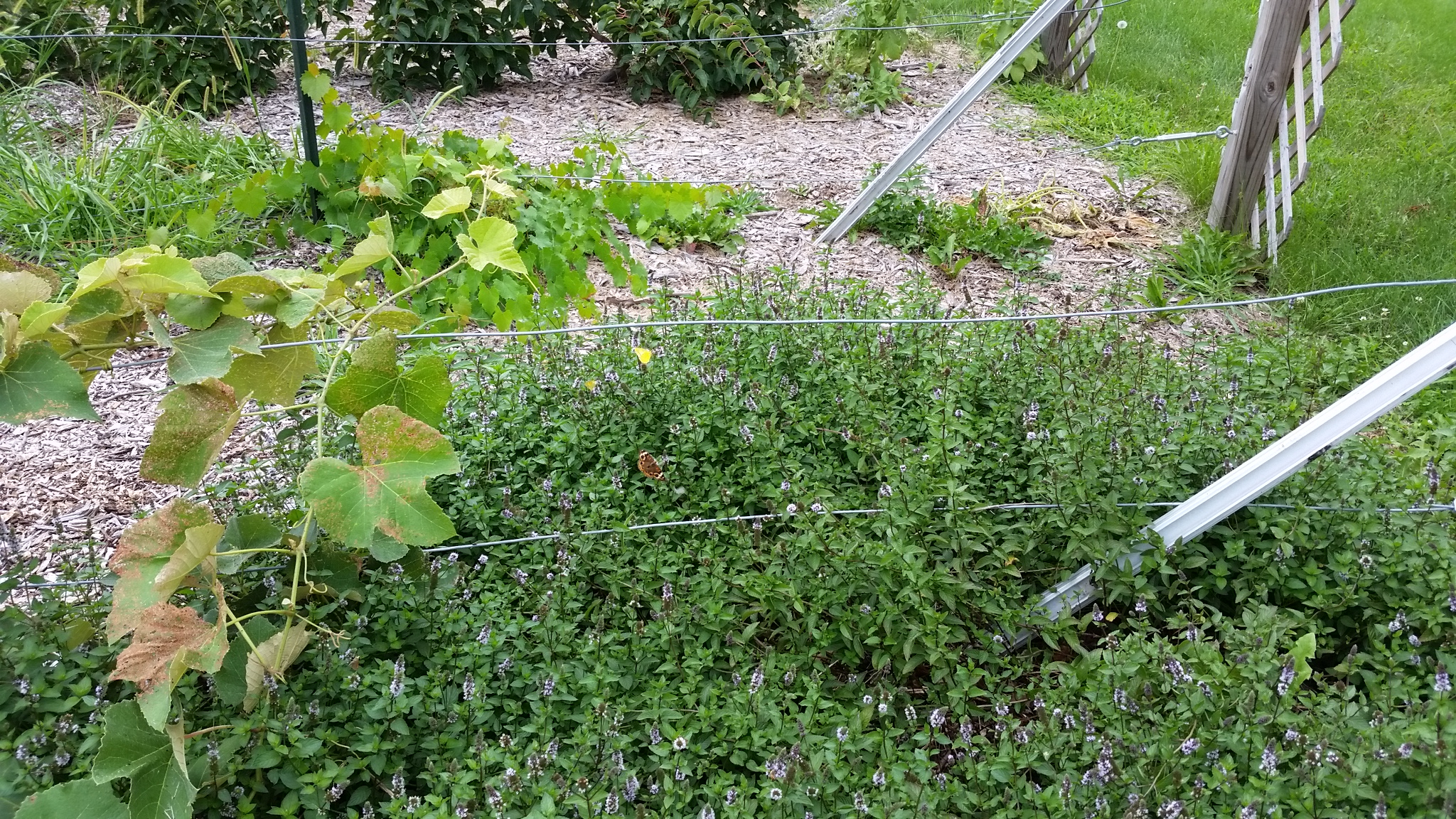
The aggressive chocolate mint is attacking the poor grapes, and creeping toward the kiwi.

wp-1470773240678.jpg

The kiwi and hops are jockeying for position, each trying to stake their claim to the trellises.

wp-1474323196373.jpg

I decided to get off my duff and clean up the vineyard a bit…mostly because I wanted to eat a few handfuls of grapes.

All of the weeds came out very easily due to the thick layer of mulch we have laid down. Even the big sprawling clumps of grass came out with barely a tug.

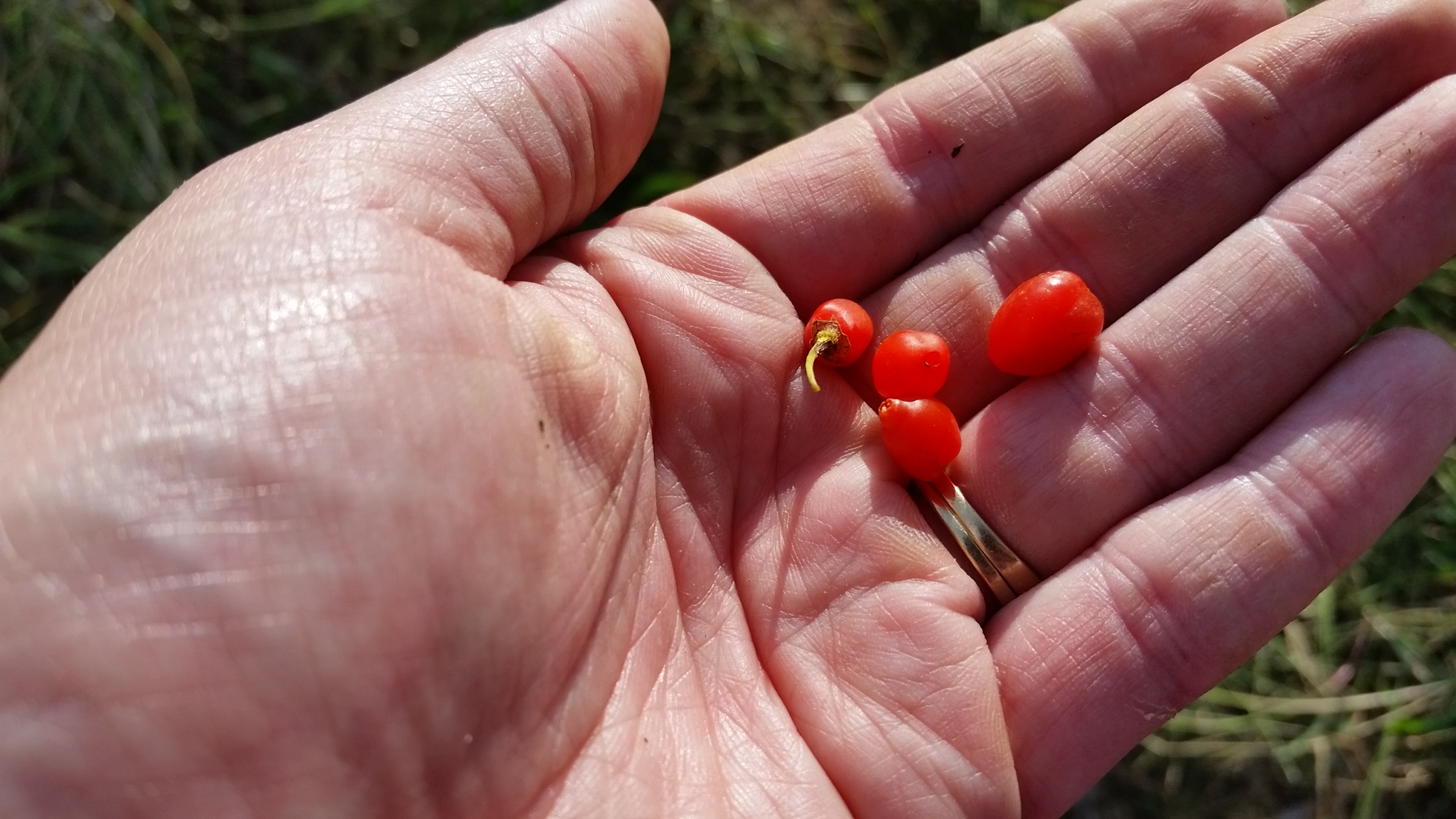
When I started clean-up around the first row of kiwi, I discovered small red berries ripening on a forgotten goji berry vine.

wp-1474323197089.jpg

I’d planted two of them last year. They were small, and I did not expect them to make it through the winter. But they did…barely.

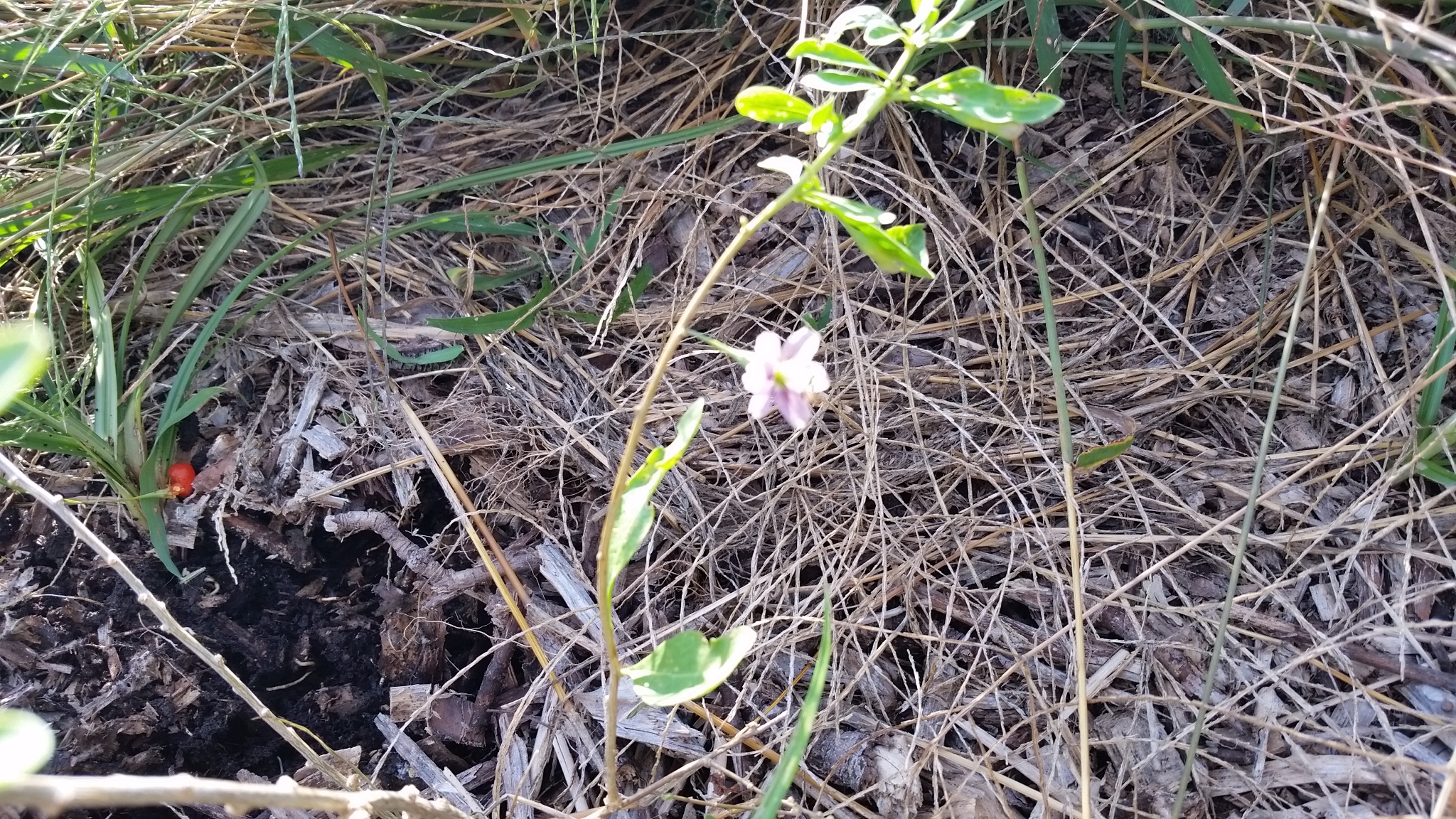
They struggled this summer and did not grow much larger, but both remaining plants have berries and flowers sprouting.

wp-1474323196944.jpg wp-1474323197036.jpg

They may have produced even more and grown even taller had I paid more attention to them…had I not all but forgotten their existence.

Or, had I smothered them with care and concern and fertilizer…they may have died a slow death

We’ll never really know.

In my lazy garden
I sit and watch the bees

In my lazy garden
I look around and see

Greens and reds and yellow hues
Purples, blues and whites

In my lazy garden
Oh what a lovely sight!

My Frog Place

I’ll take you to my frog place
Just come with me outside
We’ll follow all the signs
Let nature be our guide

We’ll listen to birds chirping
We’ll watch the butterflies
We’ll smell fresh herbs and flowers
We’ll feel sunlight on our eyes

Race quickly toward the pasture
Where we let the grass grow tall
Grasshoppers and crickets chirp
Bees buzz and field mice crawl

Soft and tangy, musky scents
A ribbit, croak and trill
And finally we’ve made it
My frog place–what a thrill!

20160623_093419.jpg

Drenched

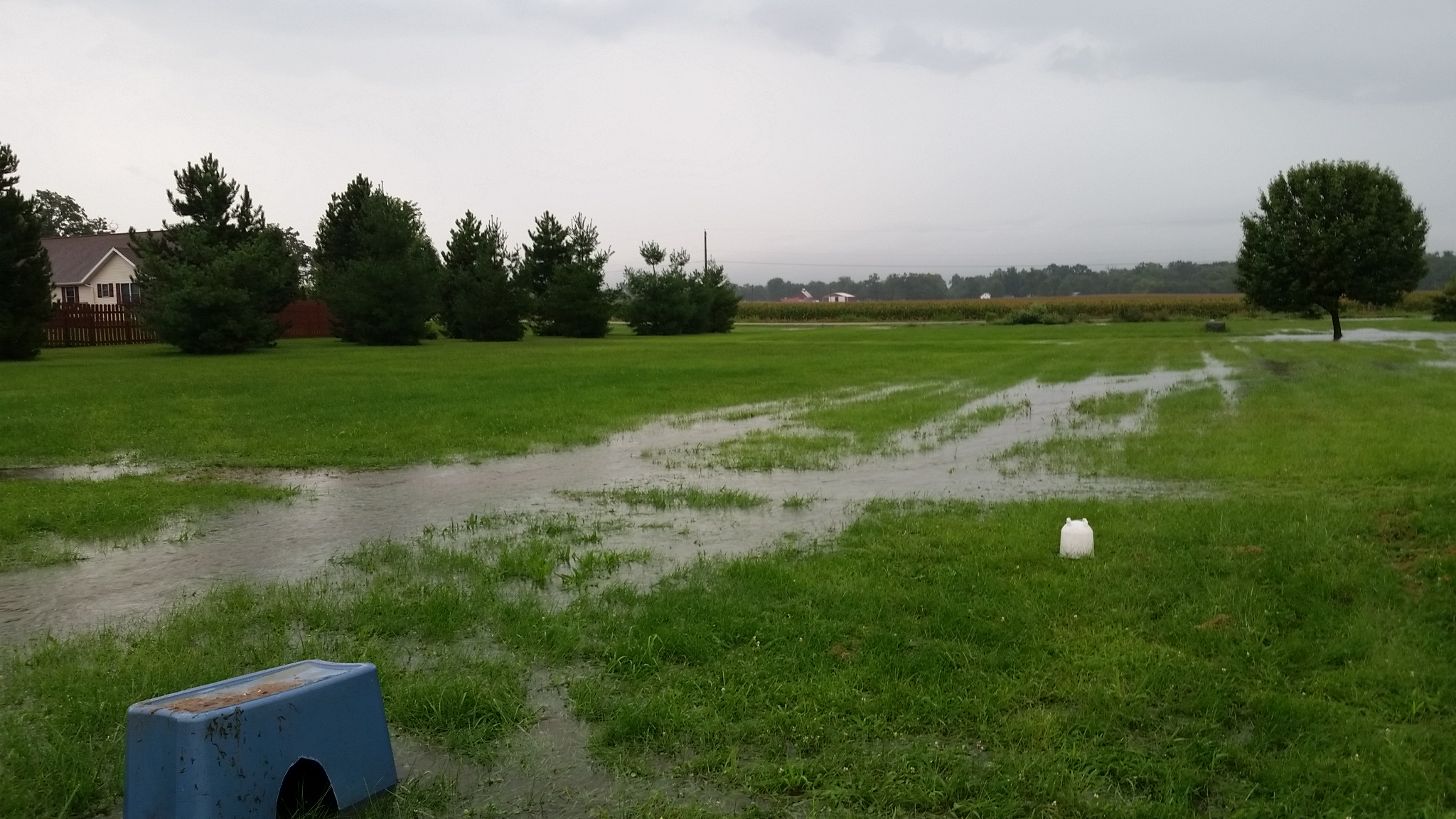
When I looked out the window this morning, my first thought was that the swales and pond weren’t doing their job.

wp-1472578178350.jpg

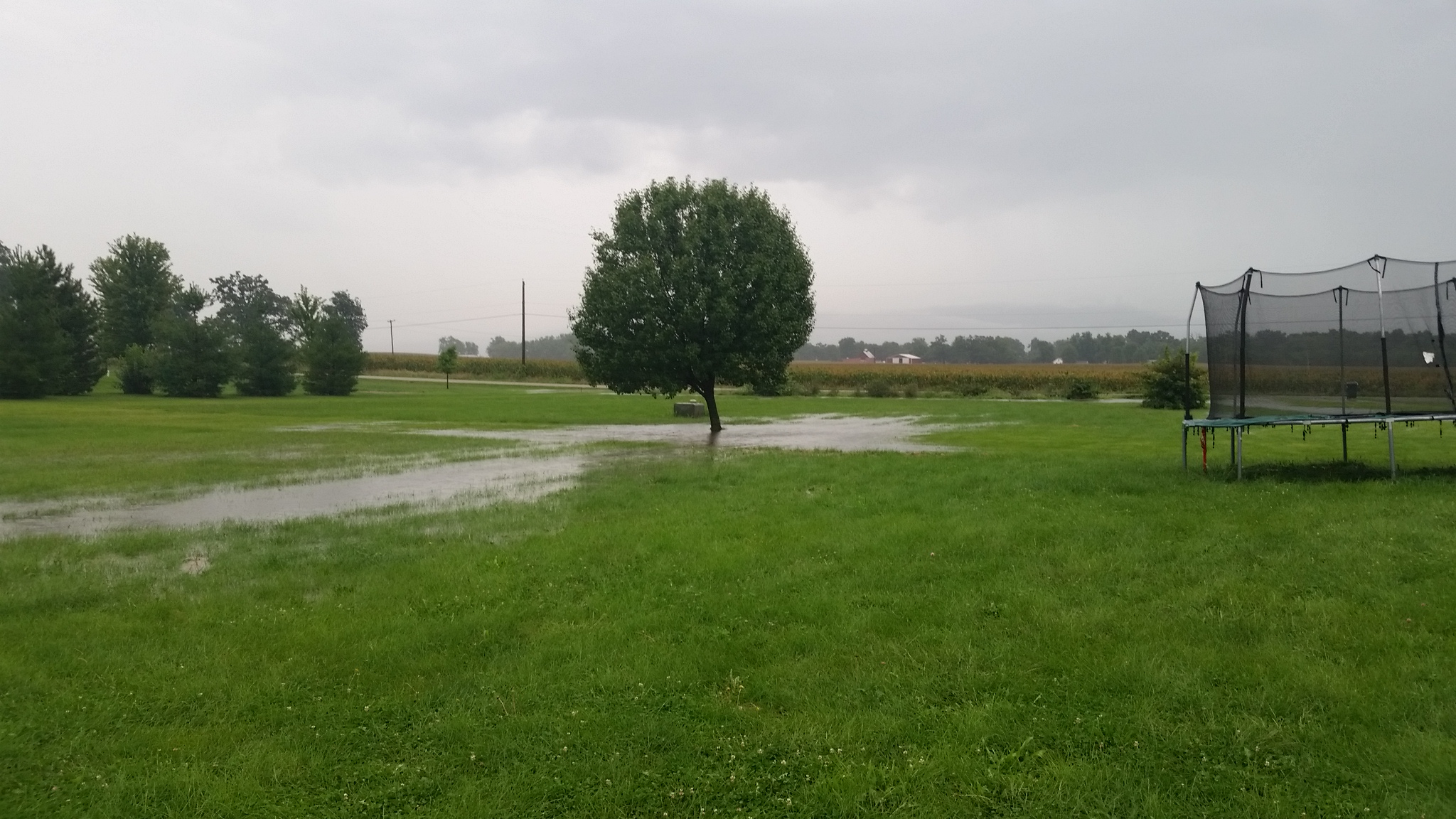
Water ran in a small river from the back of our property out to the road. I had flashbacks to the time before we put the swales in and a moat would surround our house whenever it rained.

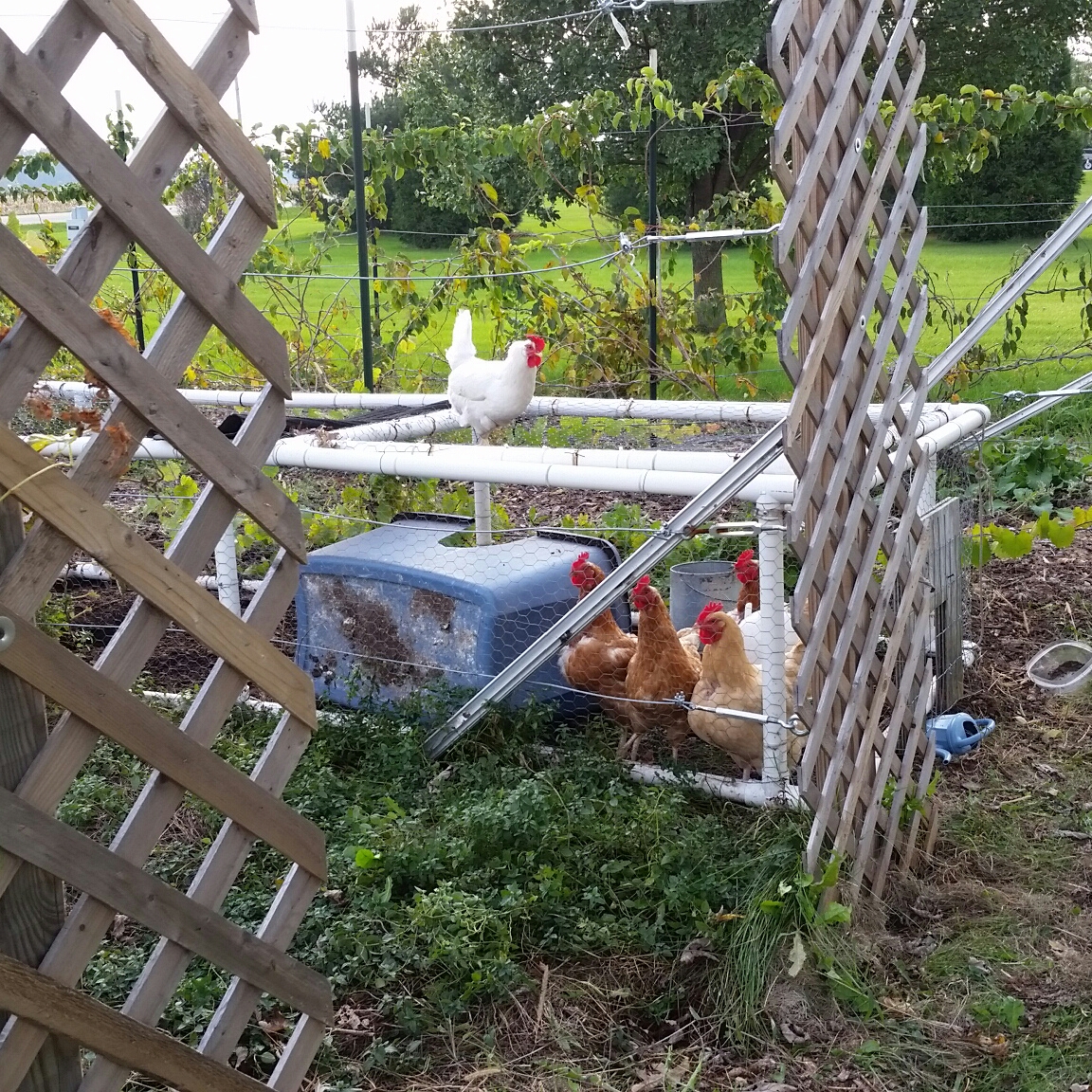
The chickens squawked and Pecky was crowed angrily, at least it seemed that way to me.

wp-1472578178272.jpg

I couldn’t blame them. I’d be unhappy if my home was filled with water too.

wp-1472578178301.jpg

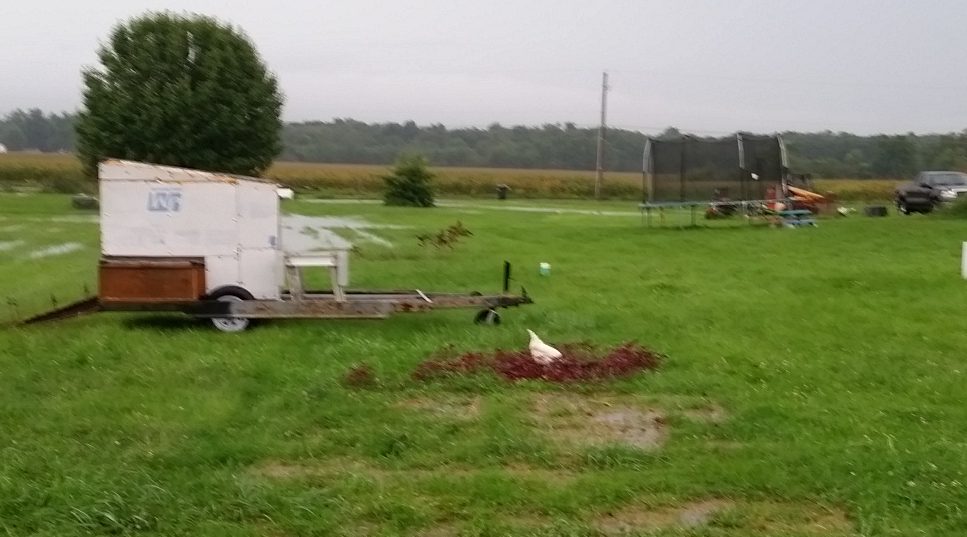
Ray and I moved them to higher ground and tried our best to appease them with extra food and kitchen scraps.

The older gals were even more flooded but at least they were able to climb up into the coop to stay dry.

All the leghorns have is a tarp.

wp-1472578178207.jpg

After we got them situated and soothed their ruffled and wet feathers, I went out to see what was going on with the swales.

Why weren’t they working the way they should? What had gone wrong?

Nothing. Absolutely nothing had gone wrong. In the wee hours it had started to rain, and by the time we woke up, it had rained over 4 inches.

Our swales were full and our chickens were victims of a good drenching.

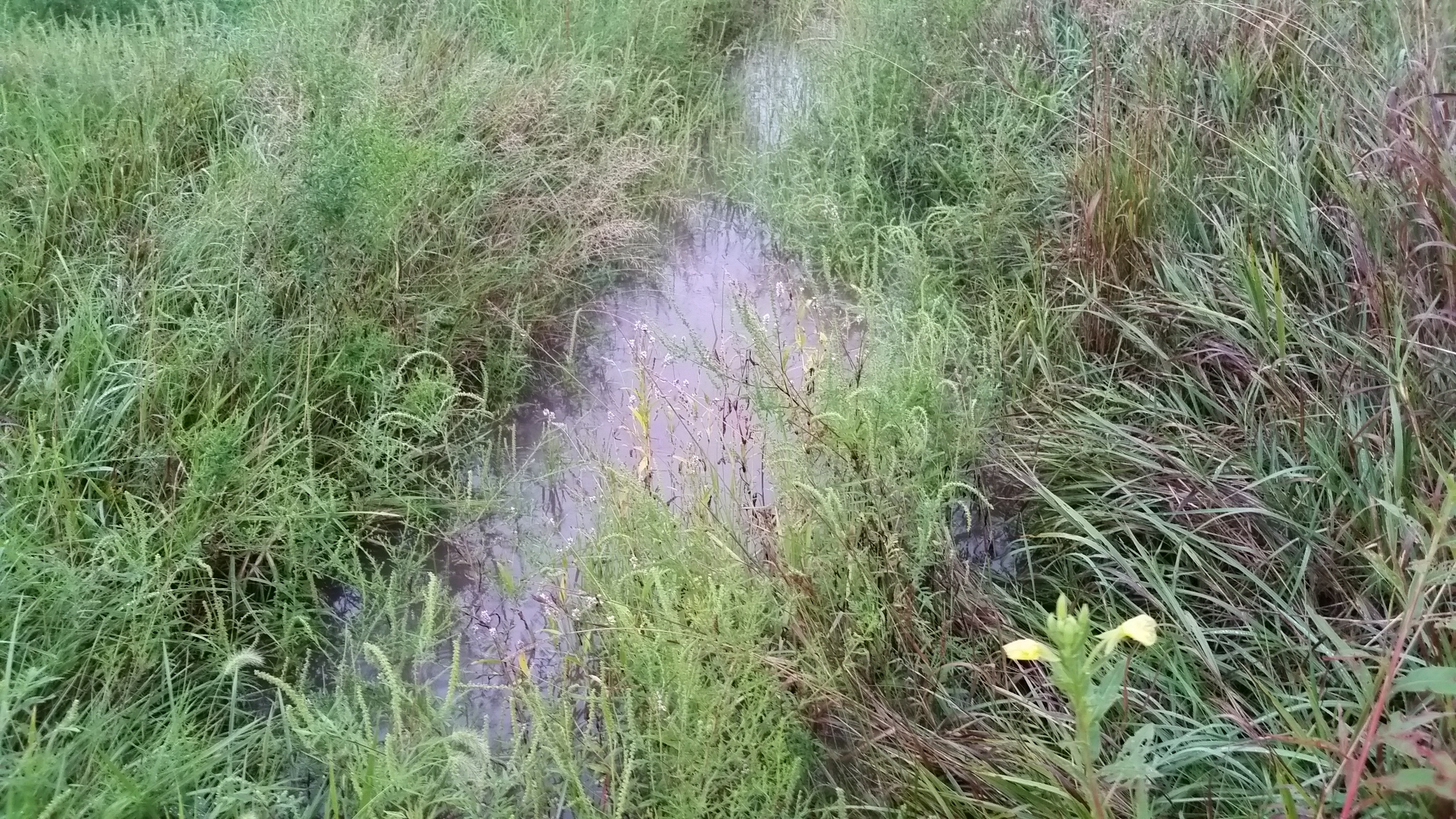
The North swale surged into the South swale, just as it should.

wp-1472578177648.jpg

North swale

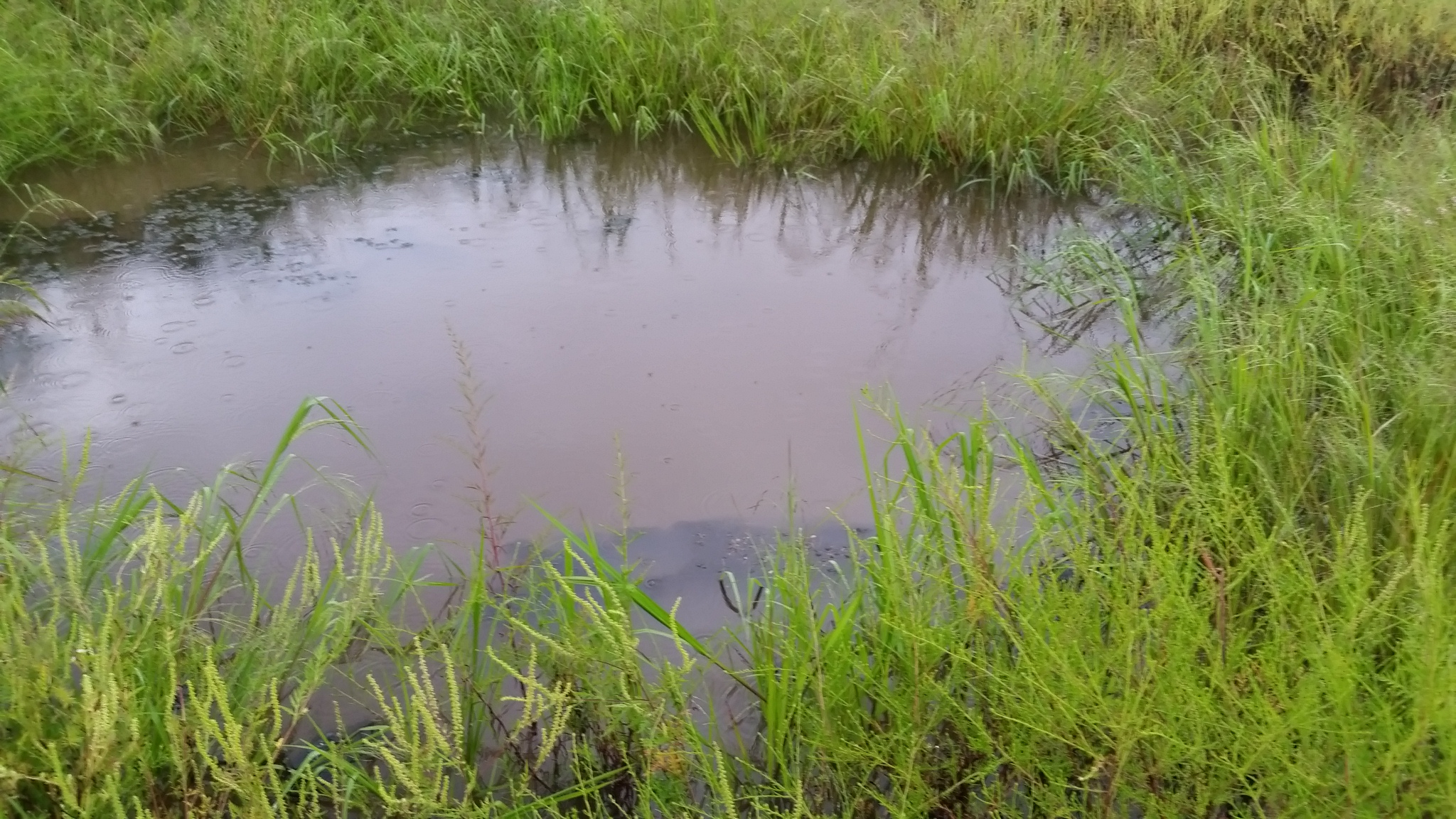
The South swale was full and streamed into the pond, also full.

wp-1472578177646.jpg

Pond

Then, the water had nowhere to go but out to the road.

Hence, the river.

wp-1472578178144.jpg

Poor Blue didn’t have a tarp. It never dawned on her tiny chicken brain to take cover under a tree or in the little house we have for her in the garden. She just stood eating amaranth and clucking.

wp-1472578177914.jpg

Joe splashed and played in the water, excited by the creek meandering to our road and the giant puddles in the yard.

wp-1472578178218.jpg

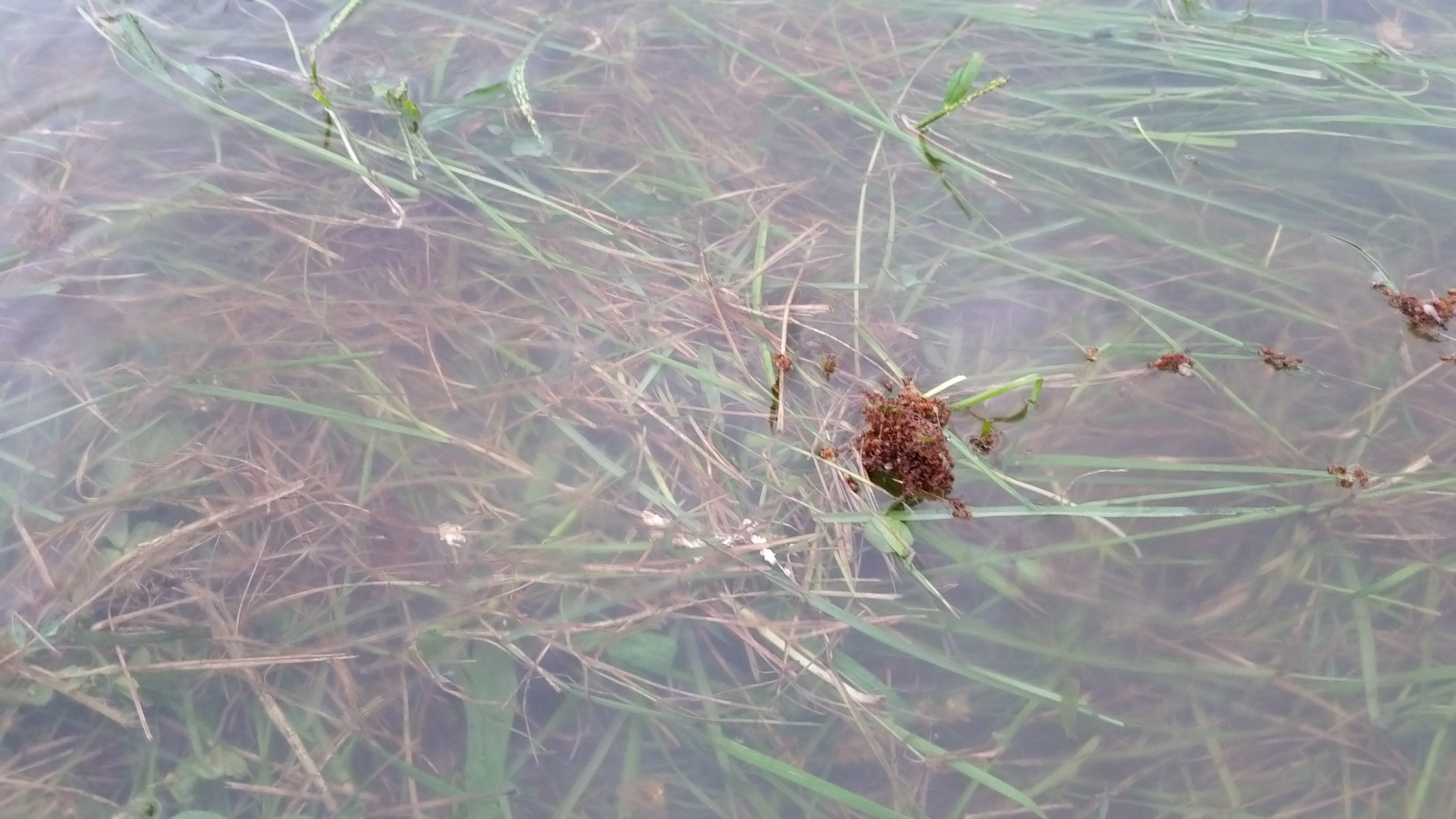
He pointed out a colony of ants frantically climbing blades of grass in a desperate attempt to get to dry land. Curious, Joe and I did some googling to learn more about these strange (ant)ics.

Apparently, it’s a survival instinct. The worker ants work together to form a raft or a bridge to get the rest of the colony and queen to safety.

wp-1472578178213.jpg

Our planned lessons for the day were put aside to learn all about floods, storms and other weather events as well as strange ant behaviour.

So we spent a long time looking through weather books and reading about all kinds of storms.

Raining, pouring down
Water swirling ’round
All the hens are soaked
But none of them have croaked

Agile in the Classroom

Agile is a project management methodology used primarily for software development but can be applied to education…and life.

The manifesto is short and sweet.

Individuals and interactions over processes and tools
Working software over comprehensive documentation
Customer collaboration over contract negotiation
Responding to change over following a plan

Both parts are important and valued, but the ideas on the left take precedence over the ideas on the right.

In using agile for software development, the focus is on short phases, frequent reassessment and adaptation if needed.

These principles adapt perfectly to education and the learning process.

We learn math in a series of short phases. We don’t expect students to do complex math problems immediately after learning to count. We take it a step at a time, reassessing and adapting to learning styles and adding complexity with each step.

The same is true of language and reading. We start by learning the alphabet and move on to letter sounds. We add to each step, constantly reviewing, adapting to changes and reinforcing what has already been learned.

We gain confidence and ability through small successes and we learn to move quickly and adapt as needed.

We learn to be agile.

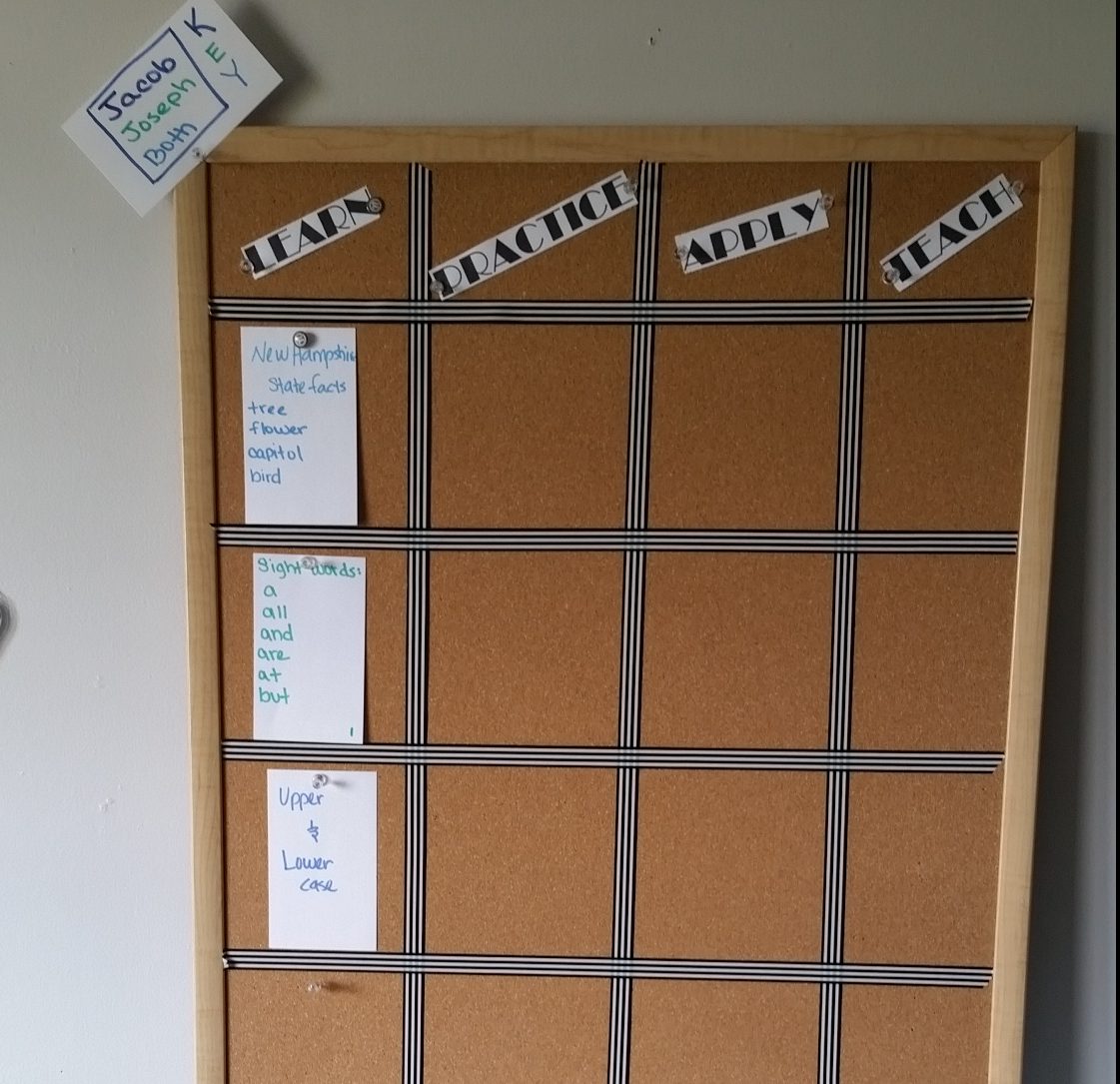
This is how we are designing our classroom.

Our mantra is learn, practice, apply, teach.

wp-1472482766470.jpg

Each notecard will be a small step toward a bigger goal.

Joe has mastered letters and letter sounds. He’s able to sound out most words so our focus is on sight words.

Jake knows his letters and can distinguish between most upper and lowercase so we are practicing tracing and identifying the difference between uppercase and lowercase.

Once we talk about the contents of each notecard, it moves to the “practice” column and then to “apply” with then teaching as the final step.

I have a box of notecards in priority order, but will also be able to “switch it up” based on their interests and remove and replace those they are not ready for.

Interested in ants today? Let’s ditch the book on bridges I’d planned on and learn all about ants. I’ll grab a blank notecard, jot down the change and remove the bridge card for another day.

This system will also allow me to look back and see what we’ve learned about and to show me that we are making progress.

wp-1472482766471.jpg


The Brooklyn Bridge: A Lesson in Suspension

Since May, the boys and I have been working our way through the 50 States using a great outline I pilfered from an awesome new friend.

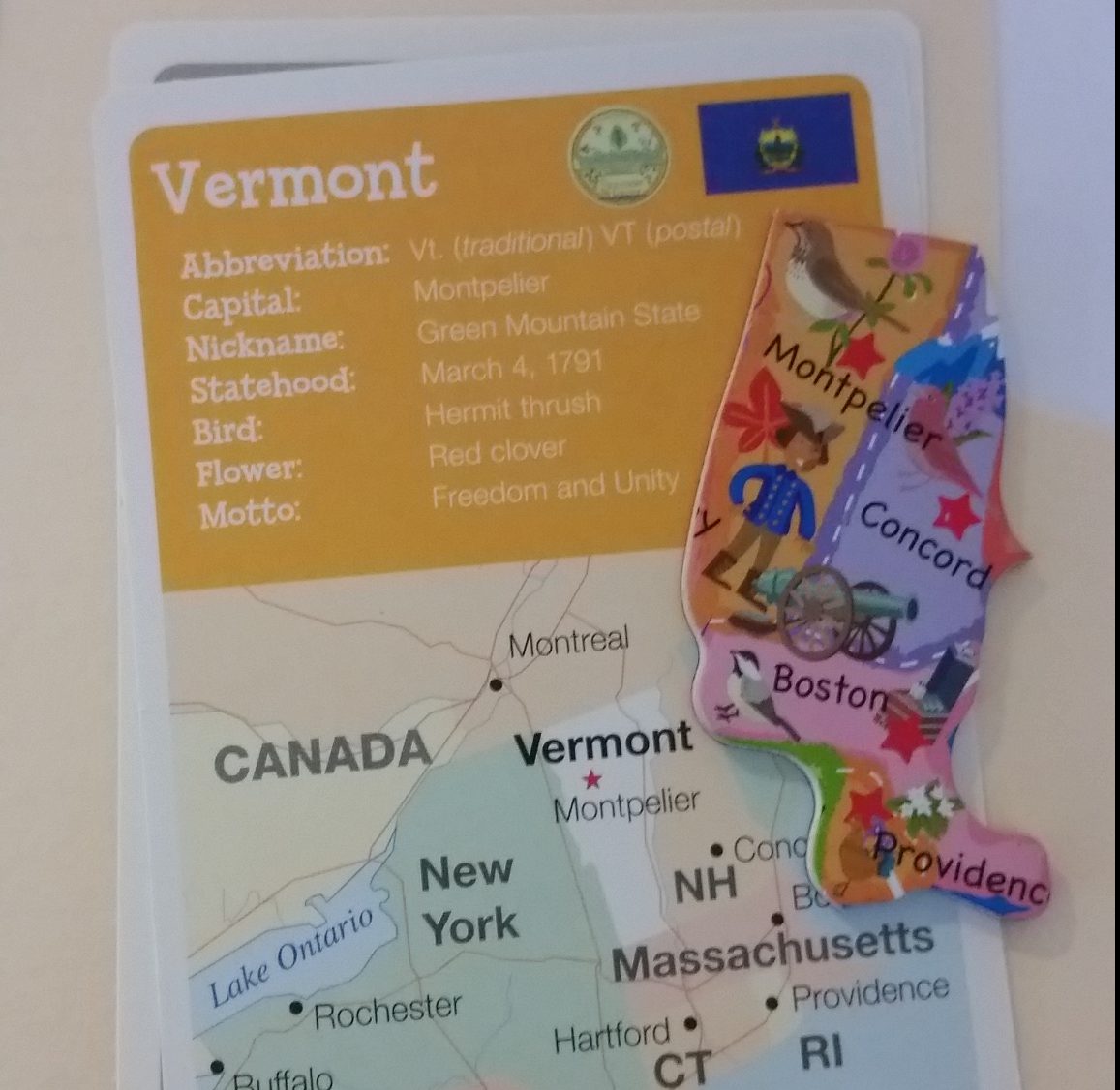
At the start of every week, we get a magnet of the state we are going to study and a card with a few state facts. The materials for the day are left in a mailbox I bought at GoodWill, and the boys take turns checking it every morning.

This week, we are studying Vermont.

We fix food, do different activities and check out library books that pertain to each state.

The other day, we learned how maple syrup was made and how to identify the state tree of Vermont: the sugar maple.

wp-1472144942895.jpg

Last week, we were studying New York.

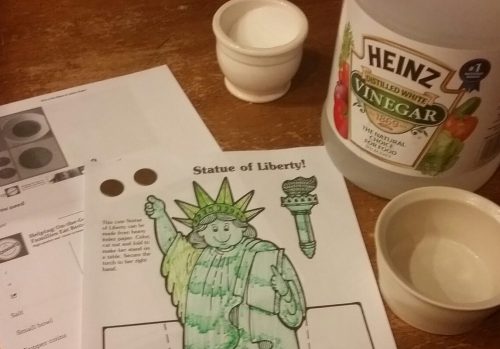
We studied the Statue of Liberty and did an experiment using salt, vinegar and a penny to answer the question: Why is the Statue of Liberty green?
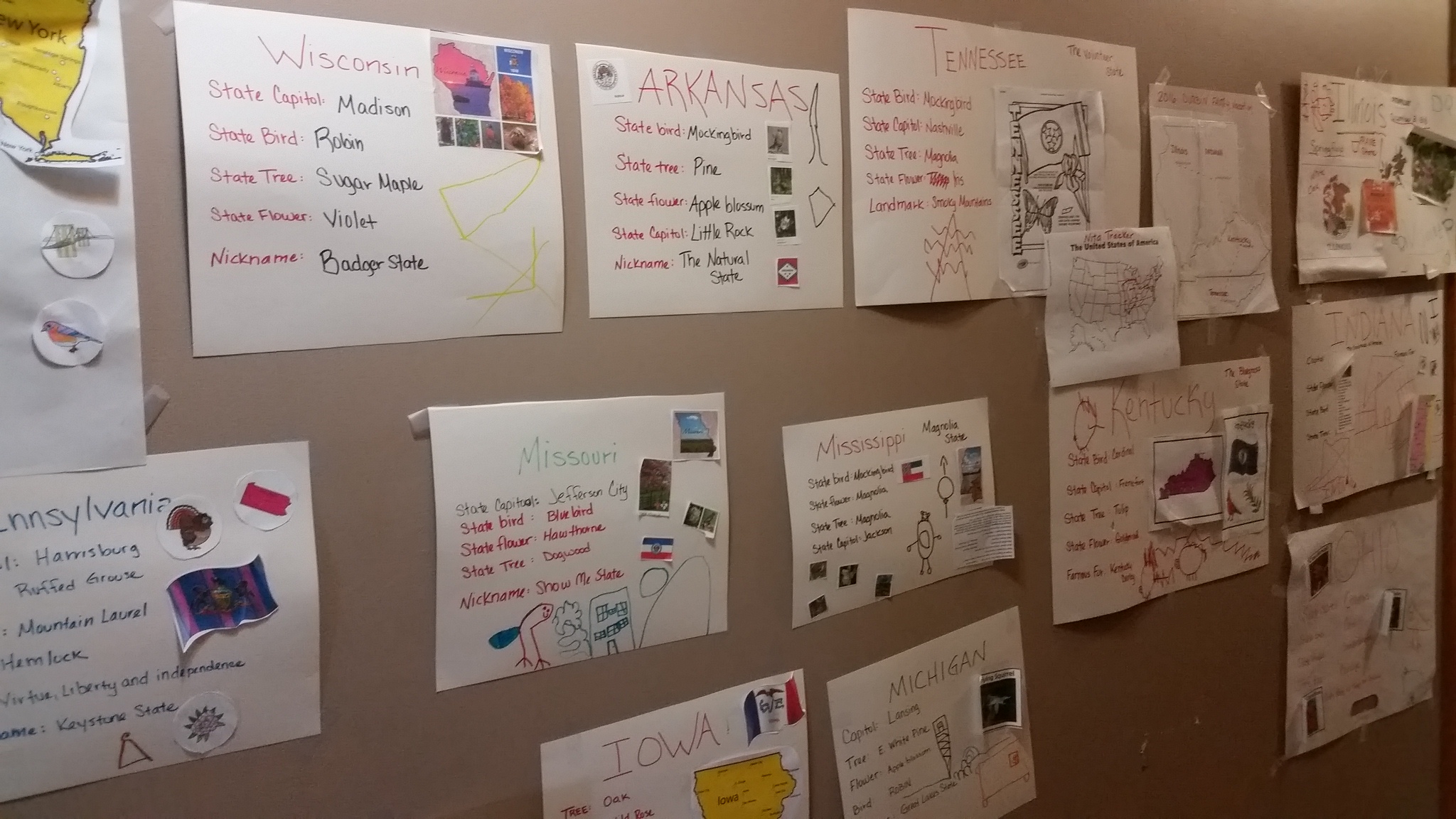
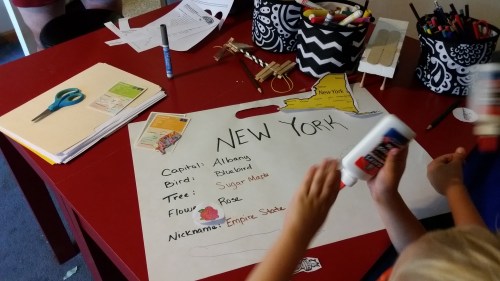
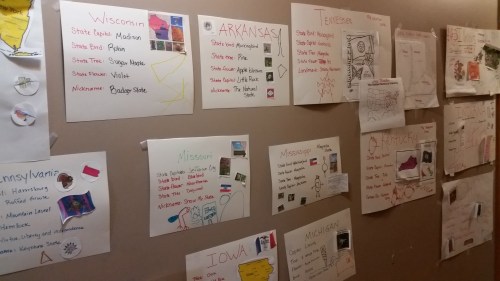
We made a poster with the basics: state capitol, bird, flower, tree, nickname and a drawing of something the state is famous for to add to our wall of states we’ve already studied.
wp-1472144828735.jpg

wp-1472147302027.jpg

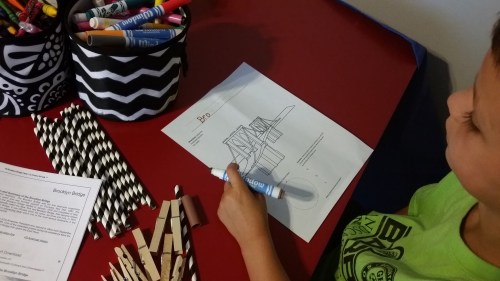
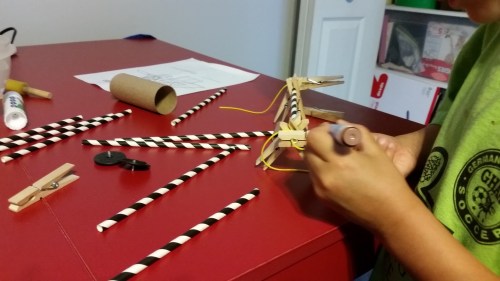
One morning, the boys found straws, clothespins, popsicle sticks and coloring sheet of the Brooklyn Bridge in the mailbox.

We watched a few YouTube videos to learn more: What kind of bridge is it? How long did it take to build? What was it used for?
wp-1471876406972.jpg

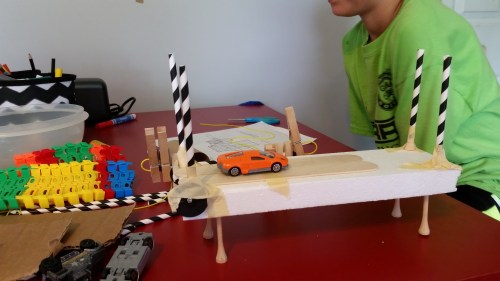
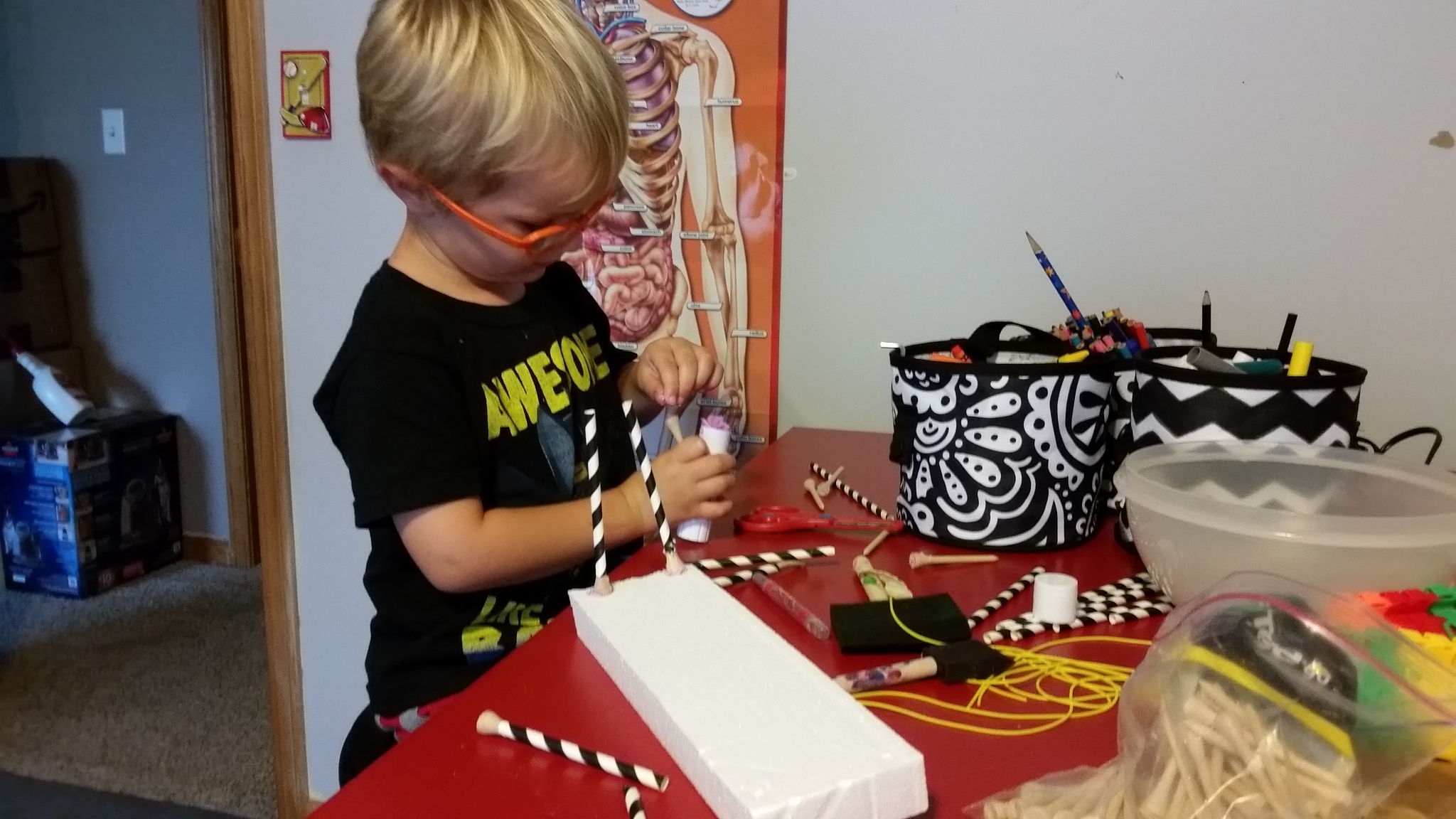
Then, I asked them if they thought they could build their very own suspension bridge. Using the materials left in the mailbox, as well as anything else they could find around the house, they got started.

Joe brought empty toilet paper rolls and elastic string to the table.
wp-1472145564171.jpg

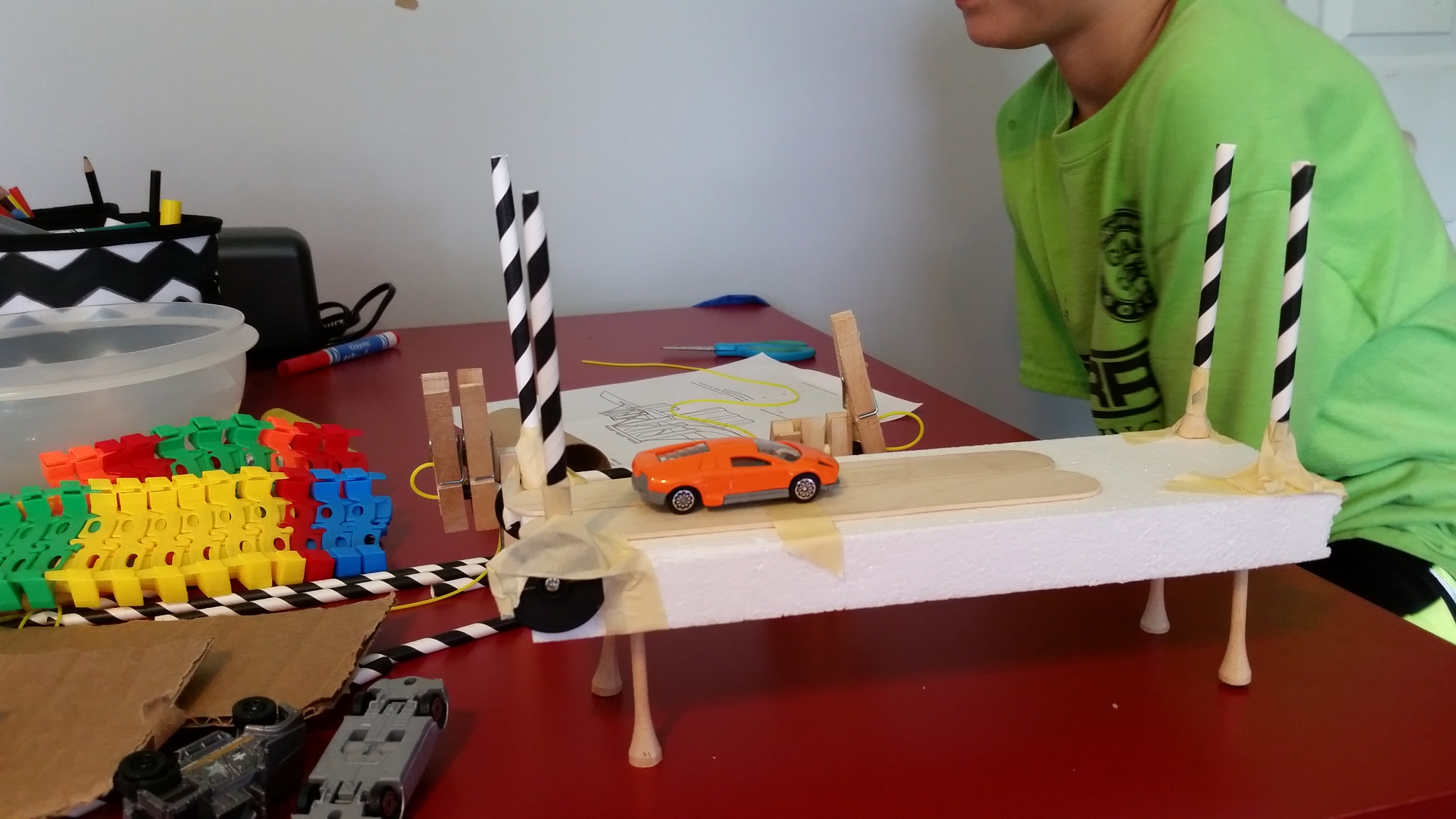
Jake found some styrofoam and golf tees from our craft box to use.

wp-1472145564602.jpg

They made several types of bridges.

wp-1472145564169.jpg

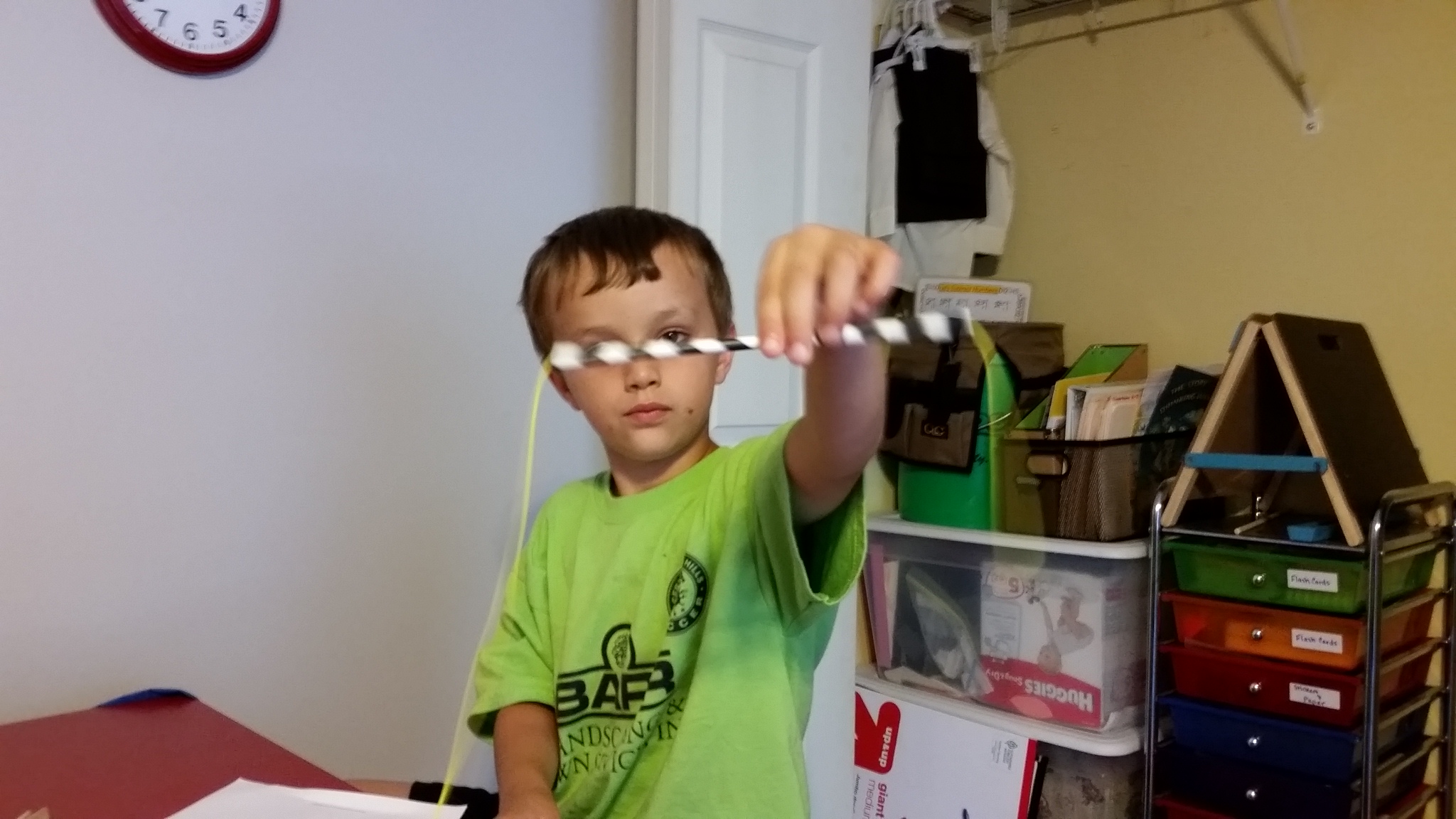
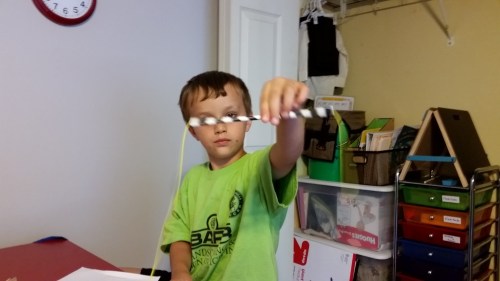
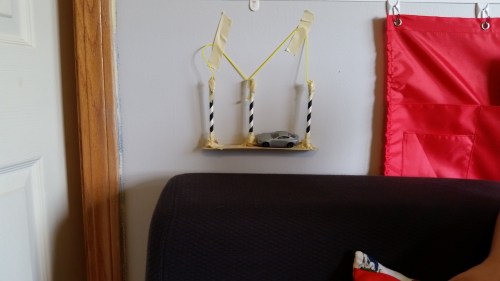
Joe was excited to finally settle on his suspension bridge design using a popsicle stick, straws, golf tees and elastic string.
wp-1472145564181.jpg

He “suspended” it from the wall using tape and put one of his hot wheels cars on it to demonstrate how it worked.
wp-1472145564606.jpg

Then he made a tunnel using clothespins, string and a straw, so we talked a little bit about the Holland Tunnel. Joe was impressed that it went under water.

wp-1472145564171.jpg

They’ve both learned more about bridges and know now that there are different types and ways to build them.

wp-1471876406889.jpg

This project is fun and the boys love seeing what’s in the mailbox each morning.

Sometimes they wake me up, waving what they found and asking me what we are doing for the day.

Sometimes they aren’t too interested or excited about the activity of the day.

But, when I forget to put something in the mailbox, they are disappointed…and that makes me feel like I’m doing things right.



The Black Swallowtail: A Life Cycle Lesson

A few weeks ago we found what we thought was a monarch butterfly caterpillar.

Joe put it in his bug house and a few days later it made a chrysalis.

wp-1470965959909.jpg

We watched and watched and soon it started to turn a dark greenish gray.

wp-1470965959860.jpg

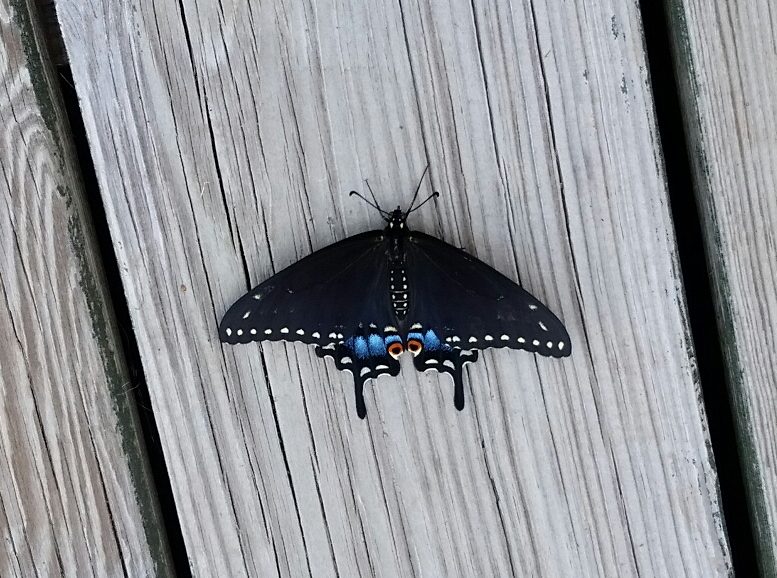
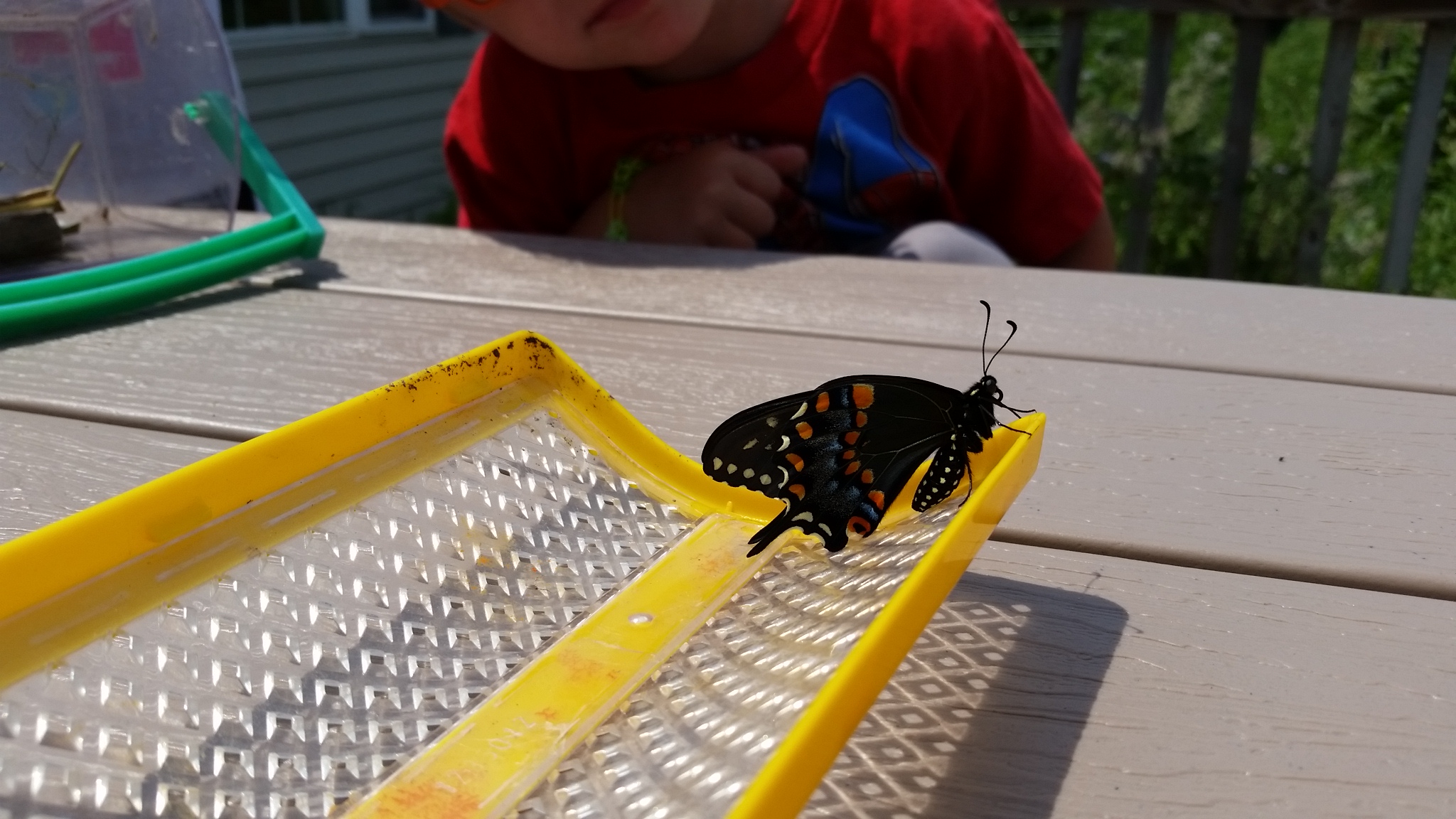
We came home from a trip to the zoo to find it had hatched! But it wasn’t a monarch butterfly. It was a Black Swallowtail.

Joe named it “Beautiful”.

wp-1470965959586.jpg

wp-1470966618836.jpg

We opened the bug house and let the sunshine dry its wings. The boys watched it for a long time while we talked about the lifecycle of a butterfly.

And then, just like that, Beautiful flew away. She fluttered over the garden and landed in the herb spiral before taking off for the pasture.

wp-1470965959588.jpg

We came inside to look at more pictures of Black Swallowtails and to read and color a booklet on the lifecycle of a butterfly.

wp-1472052506959.jpg

Since then, Joe has been searching for other caterpillars to see what they turn into.

We’ve successfully captured a moth caterpillar and watched the lifecycle: caterpillar, cocoon, moth.

We’ve talked about how a caterpillar comes from an egg the butterfly lays and that butterflies hatch from a chrysalis, while a moth hatches from a cocoon.

We’ve counted the steps it takes and how long each phase is and Joe has read an easy reader about the lifecycle aloud.

He’s moved on to other interests now, but it was so cool to be able to combine a math, science and reading lesson and relate them all to something that interested him and Jake.

wp-1472053305527.jpg