Category Archives: Permaculture

Antonovka Apple Trees

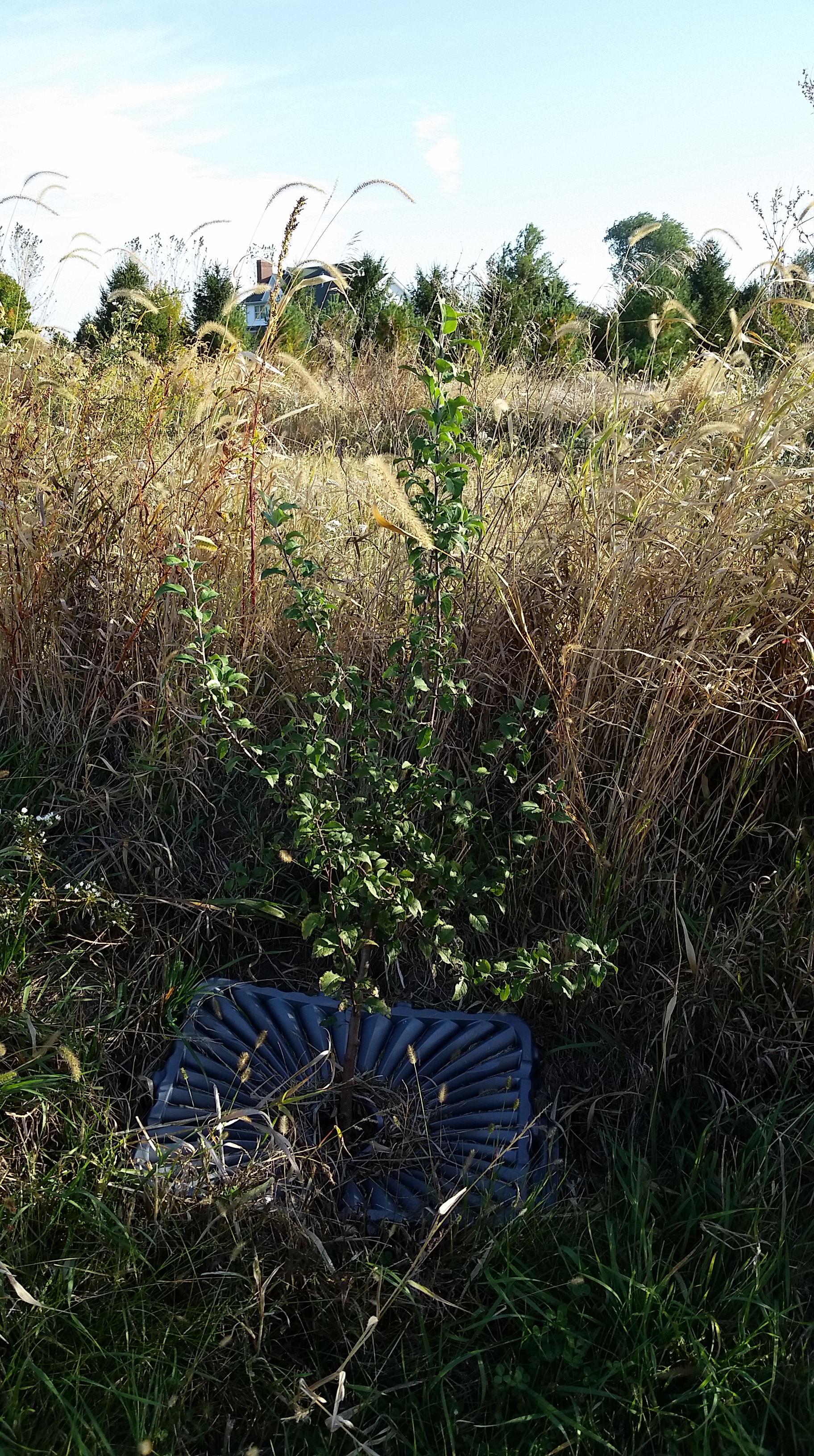
Antonovka Apple tree
Standing so tall
Proud of your progress
You’ve outgrown them all

With dark green leaves shining
Glossed by the sun
You stood against the beetles
Repelling every one

Strong tree, survive Winter!
Push through the cold
Grow bright and crispy apples
With smooth skin of gold

wpid-20151026_144914.jpg

wpid-20151012_085308.jpg

Tuber Invasion

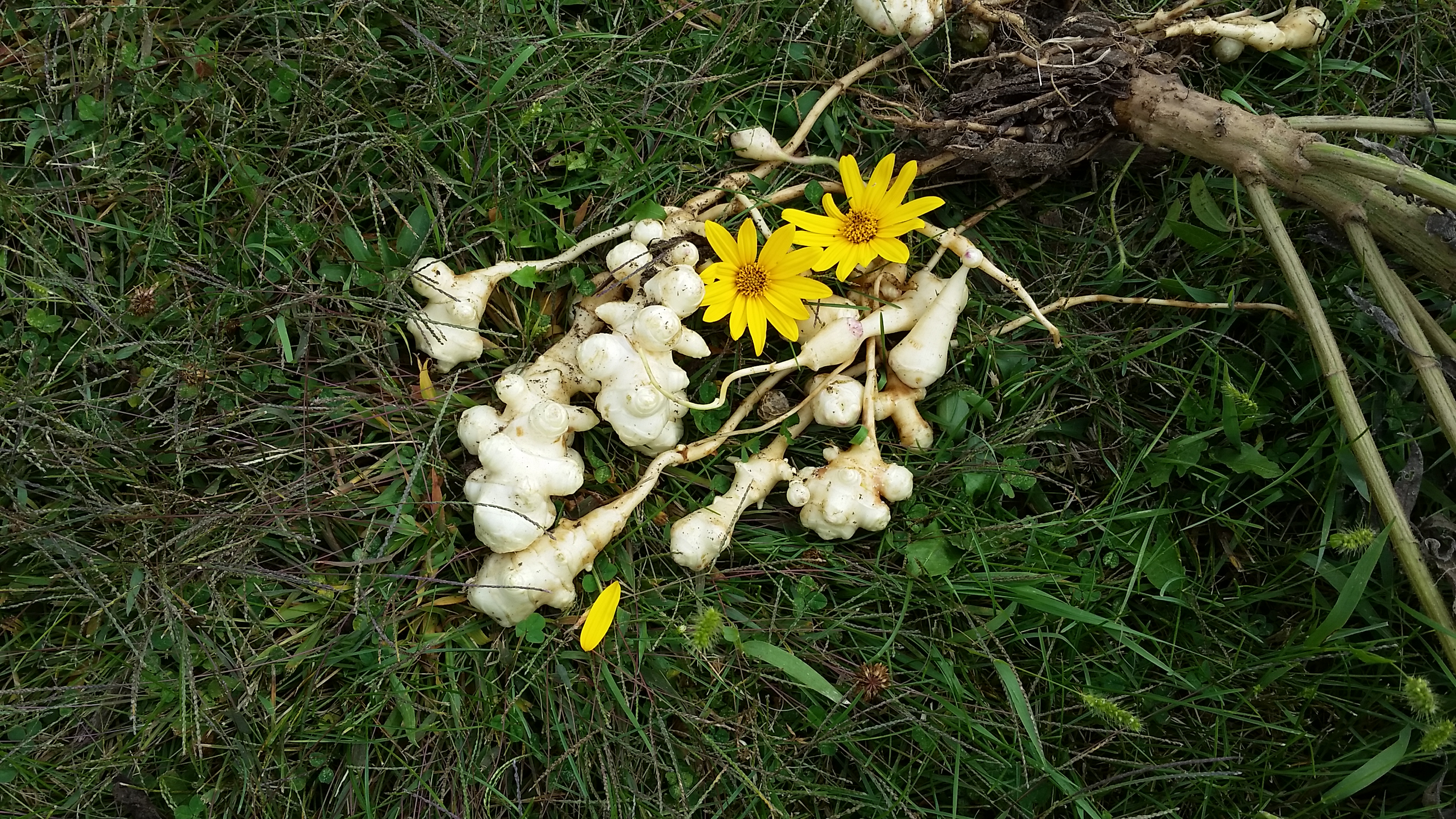
The flowers looked like sunchokes.

But that just couldn’t be.

wpid-20150928_135926.jpg

After harvesting last year, I left a few small nodes in the pile to regrow. When I say small, I mean tiny. No bigger than my pinky nail.

So it surprised me how many grew back this year. I didn’t think I’d missed any. I’d dug up the dirt pile pretty thoroughly.

wpid-2015-09-29-09.59.02.jpg.jpeg

Then, I started to notice that they were growing in other areas.

Behind the shed.

In with the sunflowers.

In the middle of the squash beds.

Odd.

We only planted them in one spot. As tubers, they cluster and spread, but not that quickly and not that far away. Right?

Then it hit me.

The pile of dirt that they grew in last year was the same pile of dirt we dumped a load of mulch on this year.

The mulch we used in just about every garden on our property.

The mulch we used to cover our woody beds.

The mulch we used to define the paths in our kitchen garden.

Uh oh.

wpid-20151006_112058.jpg

Invasive? Oh no!
They’ve spread all over the place
Sunchokes everywhere

Shades and Hues

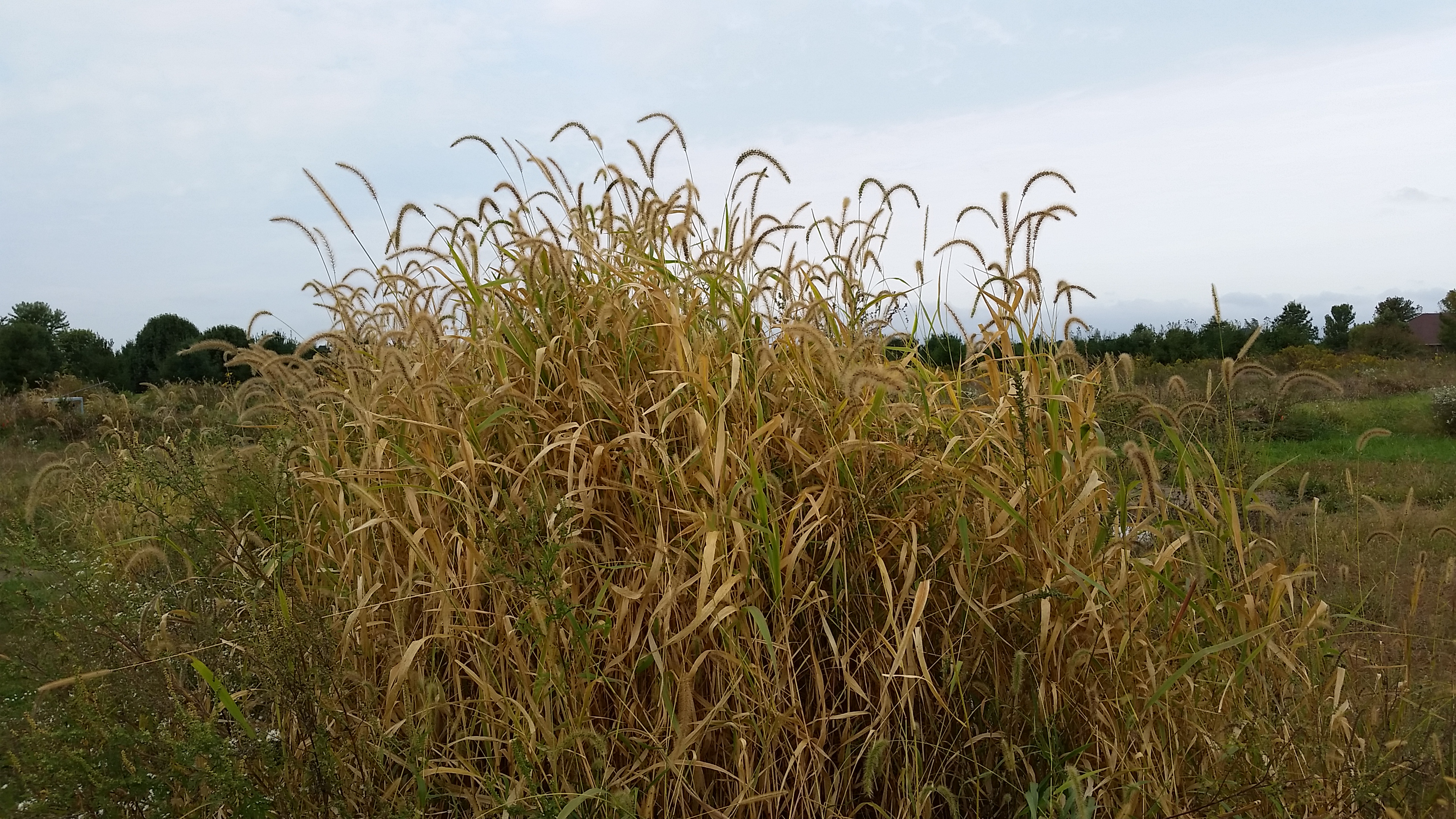
The pasture out back is a sea of yellow, green, red and white. Everyday, it seems, I discover new prairie grasses and wildflowers.

wpid-20150929_094543.jpg

Too many to properly identify.

Lovely.

Fragrant.

Beautiful.

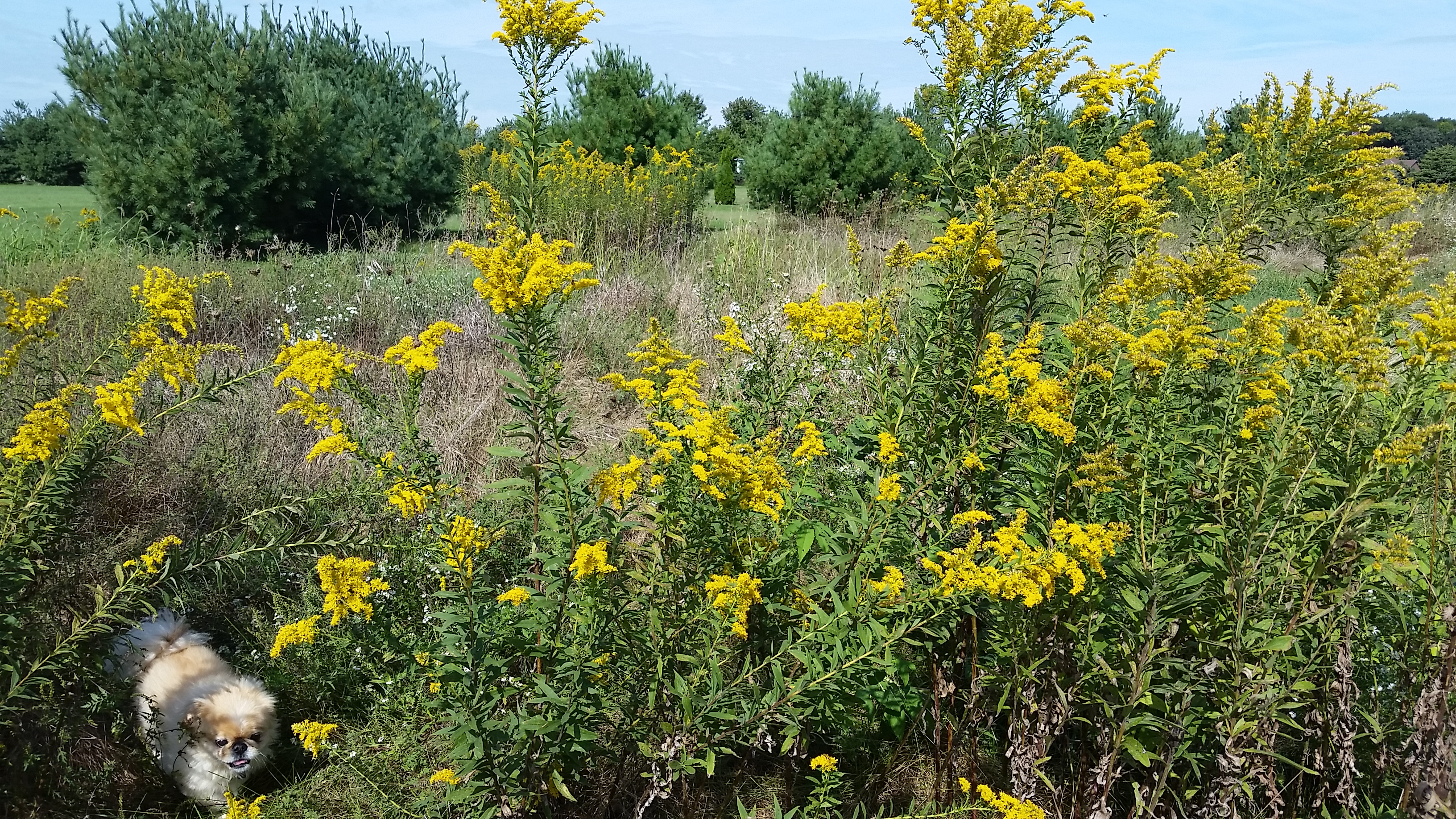
We have the Canada Goldenrod blooming in late summer, smelling slightly sweet and attracting bees and butterflies.  

wpid-20150922_110458.jpg
There’s  Heather Aster with its tiny white flowers growing bush-like anywhere there is space.

wpid-20150929_094521.jpg

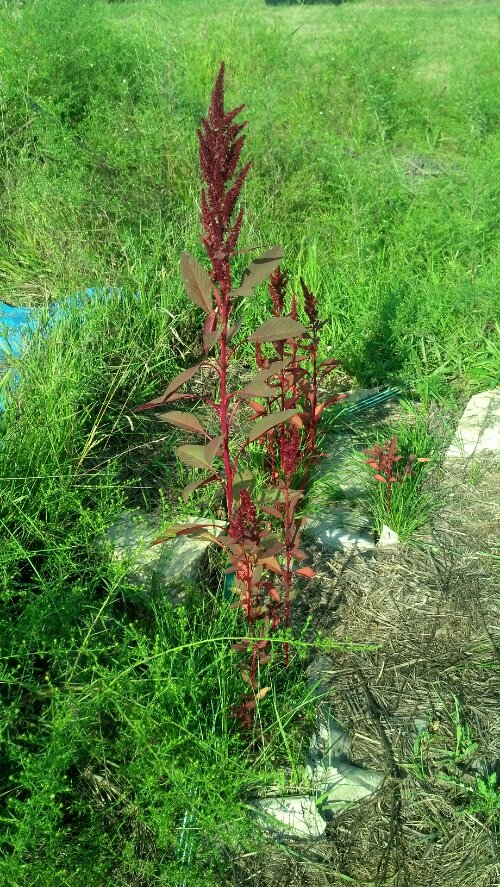
Then there’s the Milkweed and Pigweed adding a splash of color to the many shades and hues of green and yellow.

wpid-20150912_172310.jpg

wpid-IMG_20130909_092555_654.jpg

So many flowers. So many shades. So many hues.

All in our own backyard.

The flowers that grow wild
The grasses that grow green
The wonder of a child
The beauty of the scene

We love to smell the air
We love to smell the field
The sound of swishing grass
The awe of land that’s healed

Milkweeds

Milkweeds.

Monarch butterflies love them.

Milkweed bugs eat them.

We have an abundance of them.

One would think that we’d have an abundance of monarch butterflies too…but I’ve only seen a few of the beauties this year.

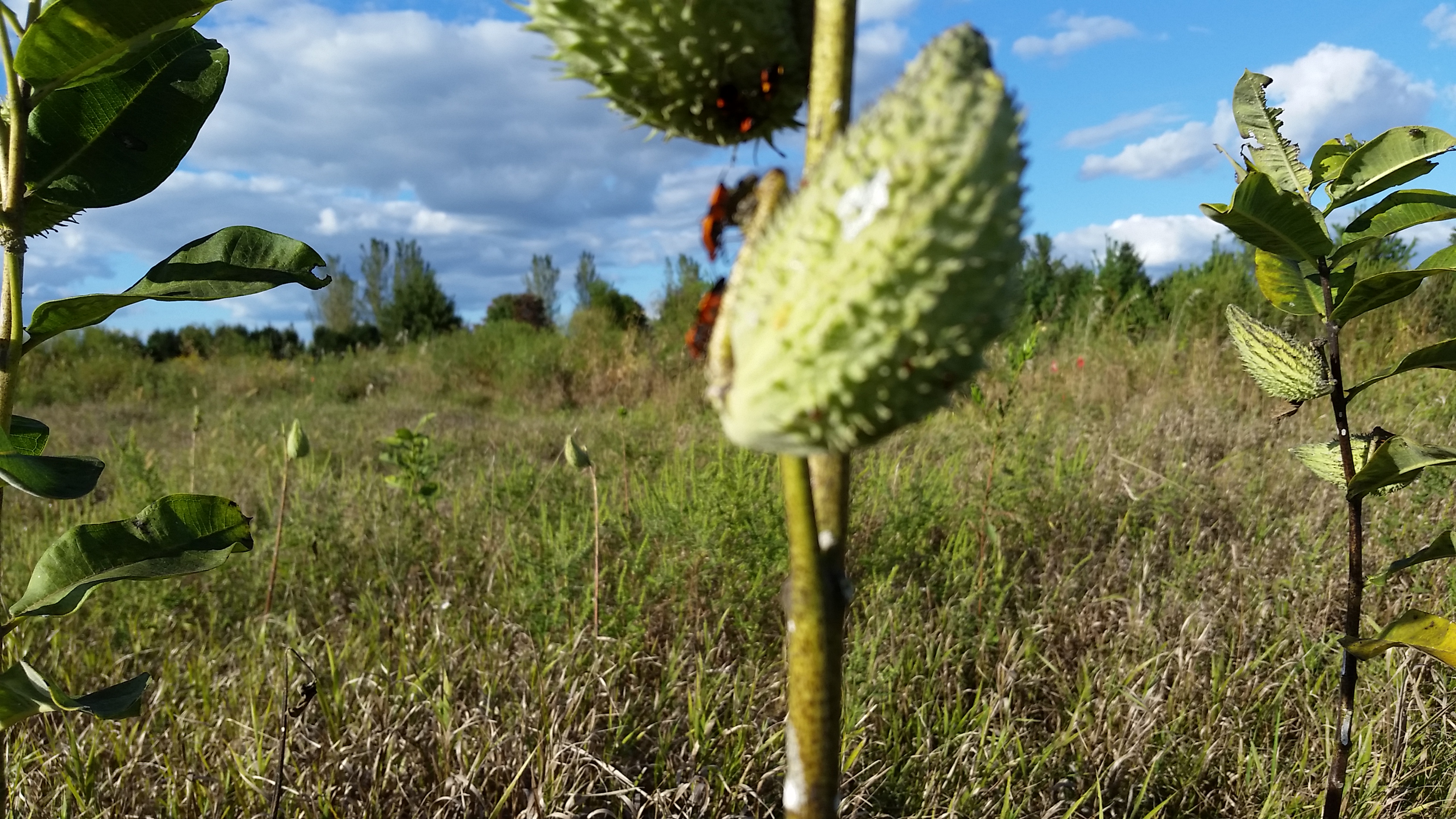
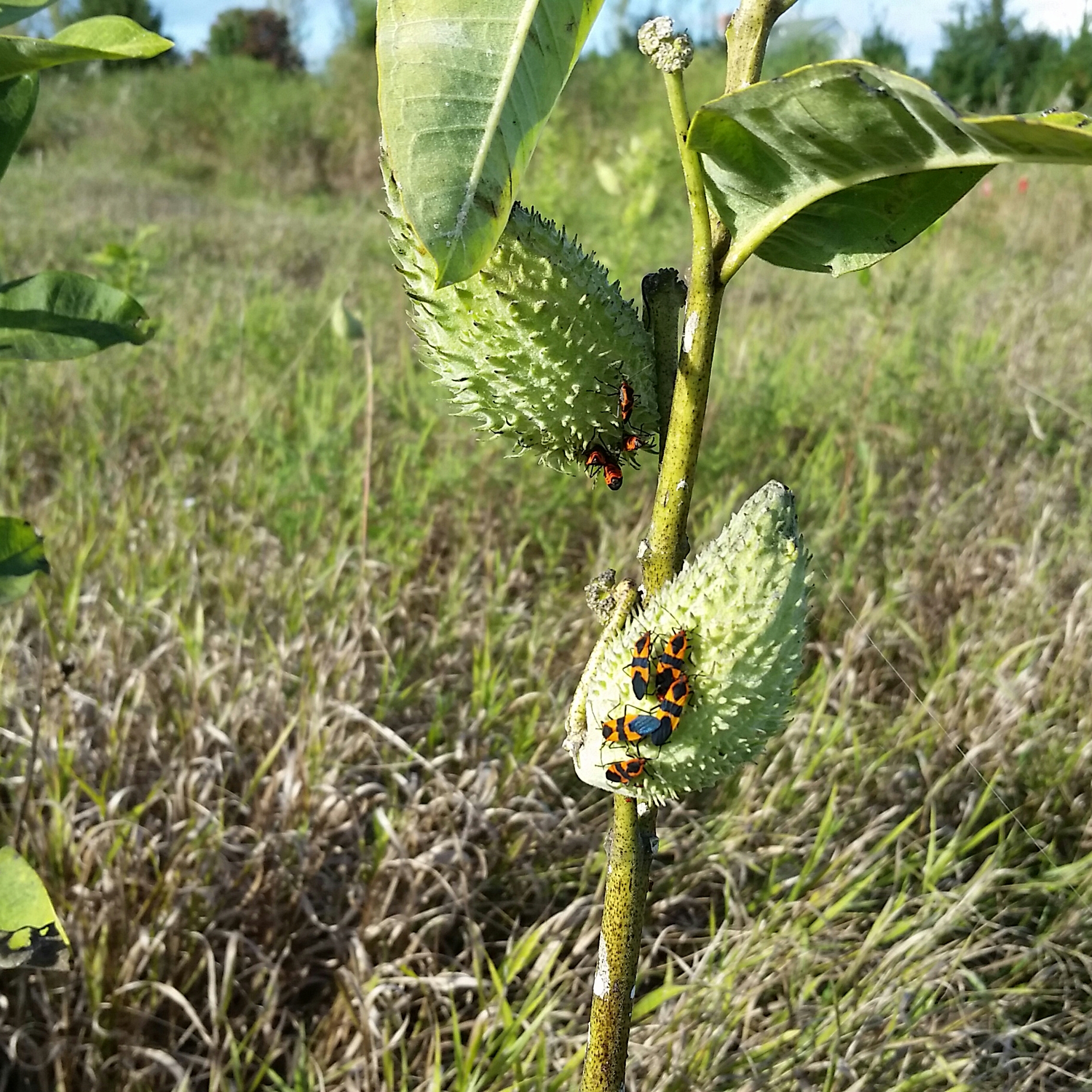
When I found a small colony of black and red beetles all over my milkweeds I thought I’d discovered the reason for the lack of monarchs on the homestead.

wpid-20150912_172119-1.jpg

I was angry.

How dare they?

But…rather than drowning them in dishwater, an act normally saved for Japanese Beetles and squash bugs…I decided to figure out what they were, why they were there and whether they were harmful.

No jumping to conclusions for this permaculture gal.

Observe before destroying interacting.

Little yellow eggs were on the plants. The underside of a leaf, the side of a pod, the stem. Pretty much everywhere they could attach.

wpid-20150912_175454.jpg

The bugs were all over the plants, which meant the boys were in bug heaven.

wpid-20150912_172310-1.jpg

After reading a few bug blogs, I didn’t really find much about these beetles.

They are “true” bugs.

They feed on milkweed.

Adults can fly.

They are relatively safe from predators due to the poisonous sap in the milkweed–their main meal.

This sap is also food for the monarch caterpillar.

If these milkweed bugs are everywhere and are eating all the sap from the milkweeds, the monarchs will go to someone else’s garden.

A garden where milkweed bugs aren’t a problem.

And that is a problem.

They may be pretty
They may be small
But I’ll not have them
I’ll banish them all

Bloggy McBlogs-alot

Blog post number 603.

In just under 3 years, I’ve written 603 posts on gardening, homesteading, cooking, chickens, bug hunters, mice, writing, homeschooling and a pinch of everything in life.

I’m still learning.

Learning how to write a blog post that will appeal to multiple audiences.

Learning how to take the criticism–both constructive (which really helps me get better) and destructive (which really doesn’t help me. At all.).

Learning how to grow as a writer…as a homesteader…as a human.

I’m having fun.

I’m feeling a sense of accomplishment…a sense of pride at my stick-to-it attitude.

I’m writing!

I had traveled so far away from my original dream. The dream I’ve had since I was a kid. The dream to write.

But, my journey through life has given me fodder for the stories I share.

I’ve wandered back to writing.

I’ve walked back to my dream.

I’m telling my story one post at a time.

wpid-20150903_101948.jpg

Sneak Attack

We tried to fight the squash bugs.

I marched out every morning to hunt and squish eggs.

If I saw any climbing around the leaves, I’d quickly dispose of them…valiantly fighting the urge to freak out and stomp all over the garden.

Joe, always game to squish and observe bugs, was very helpful.

wpid-20150819_180814.jpg

But I got lazy.

I’d check a few leaves before heading out to say good morning to the chickens, only to remember again when I came out to pick ripe tomatoes in the late afternoon.

Sometimes, I wouldn’t remember at all.

Then, I went to see if any pumpkins were ready to pick.

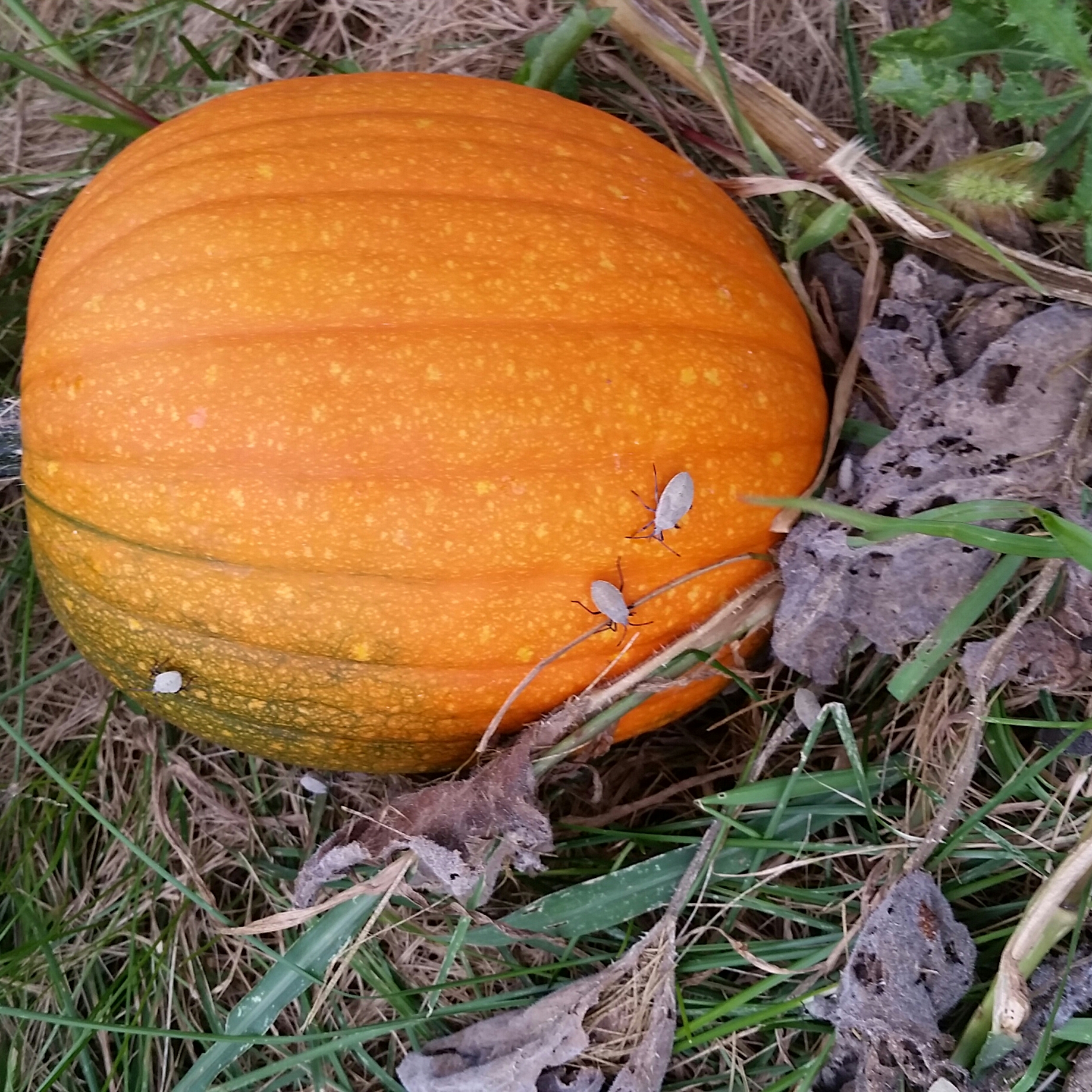
There they were…crawling all over the place.

wpid-20150819_180717-1.jpg

There were thousands of them…maybe even millions.

The whole ground moved.

Every time I tried to pick up a pumpkin, they’d crawl all over my hands.

I saw them on my boots.

I felt them in my hair–ok, maybe that was just my overactive imagination and disgust of these pests. You get the idea though…there were a lot of them.

wpid-20150819_180725-1.jpg

I tried to pick them off. Even thought about getting the bug vacuum out, but there were just too many of the white and gray creeps.

I decided to cut my losses.

I picked all of the pumpkins that didn’t have puncture wounds and put them on the deck to use later. 

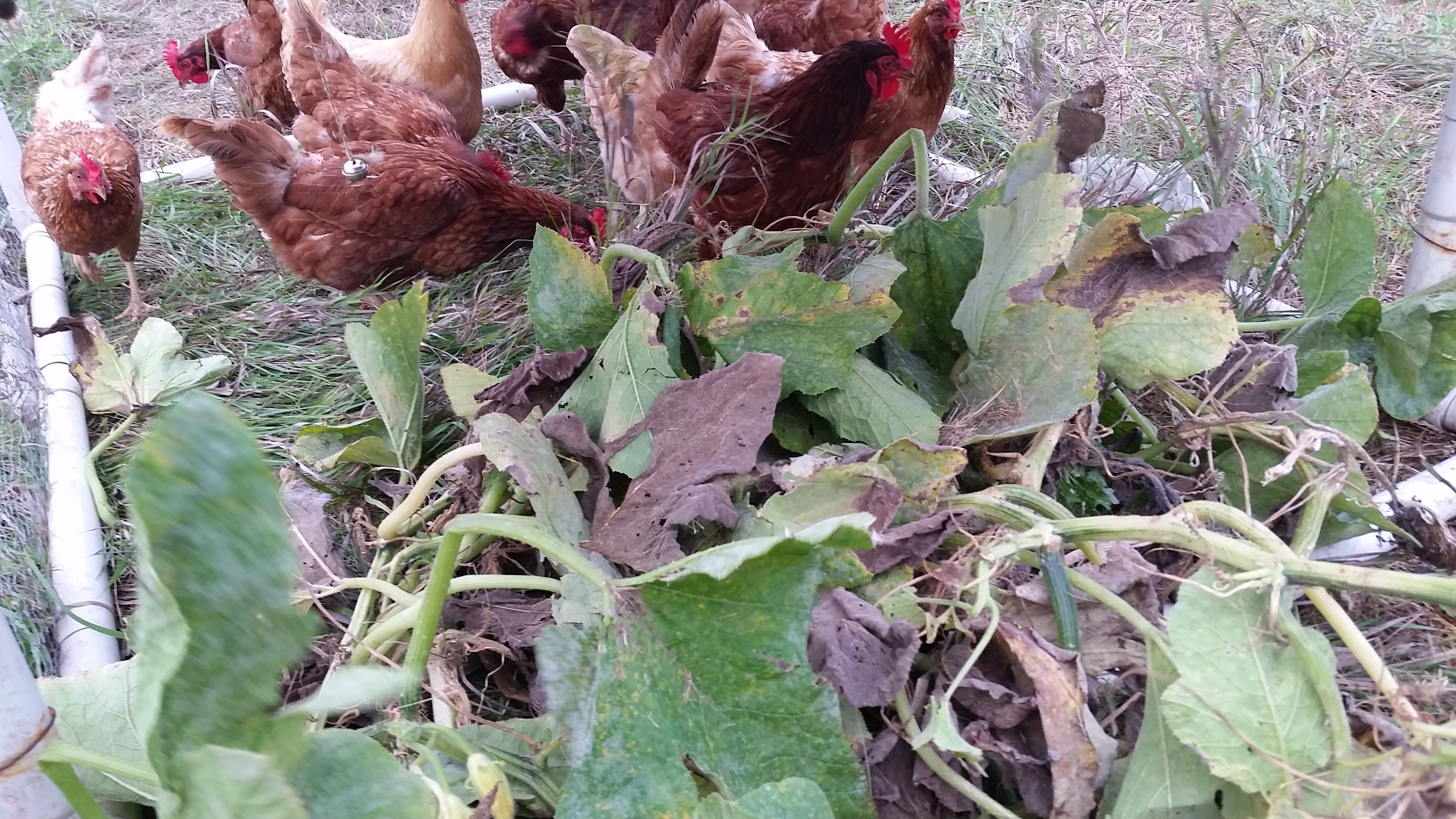
Then, I cut the vines, squared my shoulders and pulled the whole thing out to the chickens. They were happy for the treat and I was happy to see the bugs eaten.

wpid-20150819_181355.jpg

The ladies were glad
They had a tasty bug treat
Let’s hope they stay pleased

Autumn Annuals

I look forward to every season, but Autumn is my favorite. The air is crisp, the leaves are crunchy and the humidity is crushed by the cool Autumn breeze.

I also look forward to planning our fall garden. Last year we planted a TON of vegetables without much success.

It was frustrating.

This year, I think we will only plant broccoli, brussel sprouts, cabbage, carrots and garlic.

I’ll probably throw down some beans and lettuce as well, but I’m not going to stress about getting everything in the ground according to “the schedule”.

To prepare for the beds, we are clearing out the brassica area of the kitchen garden. The broccoli left has either gone to seed or been eaten by my little broccoli monsters.

wpid-20150731_152635.jpg

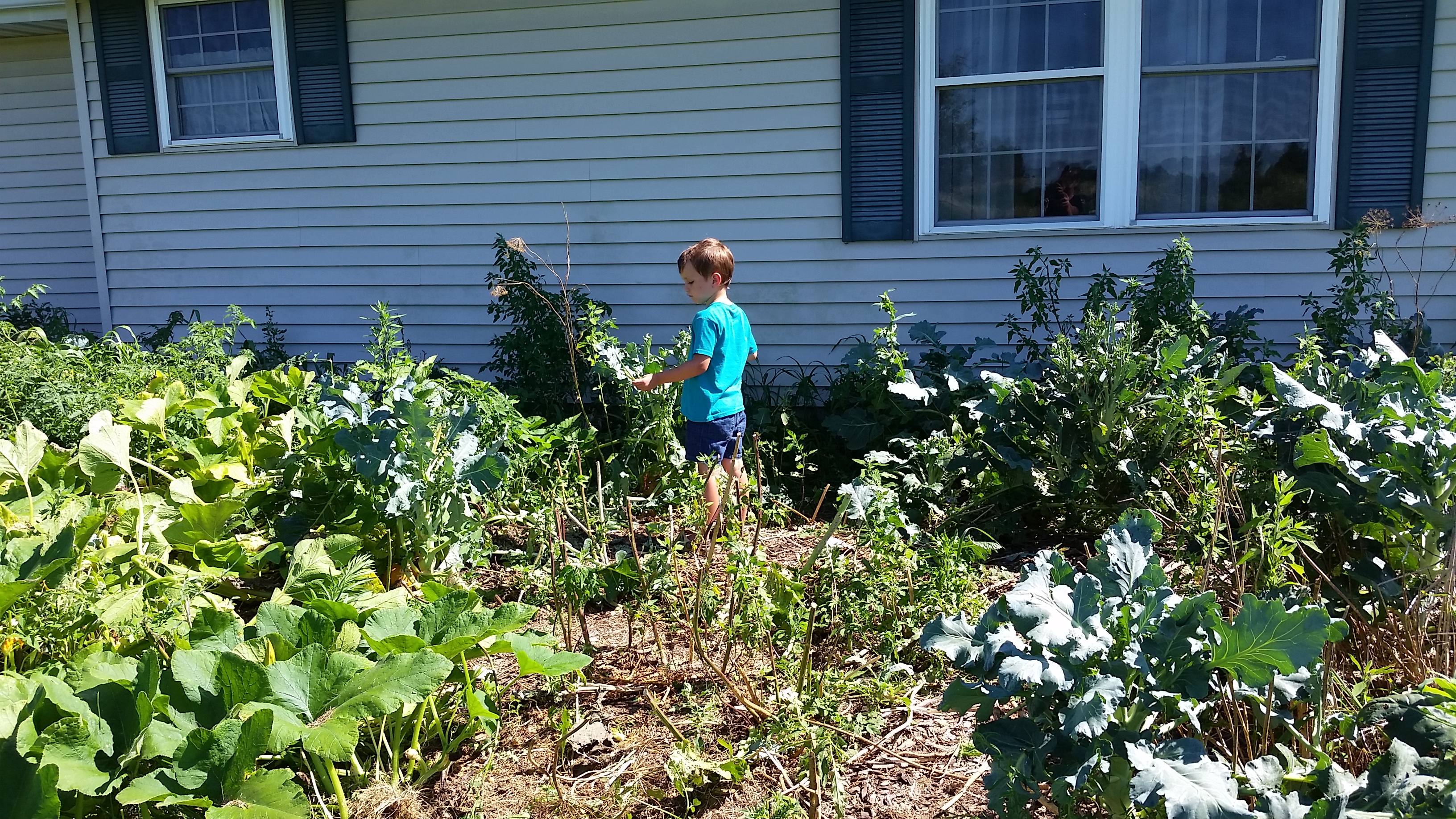
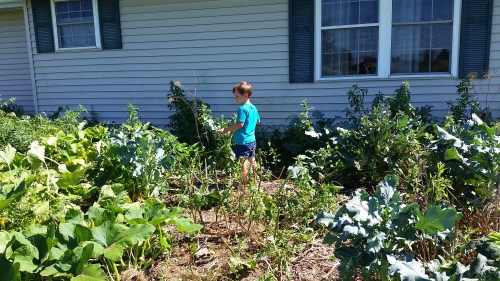
Joe is enjoying the destruction of the broccoli, cabbage, weeds and borage. He flits from plant to plant, pulling leaves, stems and roots with the abandon and energy only a 4-year-old can muster.
wpid-20150731_153412.jpg

Around the first week in August we’ll start to direct sow lettuce and beans.

We’ll also start our brassicas – broccoli, brussel sprouts and cabbage – indoors as it is too warm for these cold loving plants.

A few weeks after that, we’ll direct sow carrots and more beans. If it is cool, we’ll start to set our brassica seedlings outside for a few hours a day.

We’ll continue to sow lettuce and spinach every couple of weeks so we’ll have a constant supply.

Finally, when the first frost hits, we’ll plant garlic and shallots all over the place.

Our fall garden wasn’t great last year. I ran out of steam, got lazy and took naps instead of planting.

This year, I’m not going to put too much stress on what we are planting and when we need to plant it.

I’m prepping the beds, throwing down the seeds and letting Mother Nature take over.

She does a pretty good job.

wpid-20150731_154518.jpg

Prepping the garden
For delicious fall veggies
Cool and crisp and fresh

Perfection

per·fec·tion – the condition, state, or quality of being free or as free as possible from all flaws or defects.

I would never call our garden, gardening or growing conditions perfect.

The squash bugs always attack.

The Japanese beetles always strike.

The aphids always find us.

wpid-20150726_150541.jpg

Yet, we always manage to–if not overcome–adapt and control these pests.

We always manage to get–if not a surplus–a good harvest.

We always manage to–if not grin wildly–smile in satisfaction over something.

Harvesting bright red tomatoes.

Watching dusky purple borage flowers bloom.

Hearing frogs croak and chickens cluck.

Smelling dill as I sit on the deck drinking a cup of coffee and reading a book.

All near perfect moments.

wpid-20150726_161921.jpg

But I do know perfection.

see it in the boys’ delight over finding a bug.

In their pride at seeing something they planted growing.

I hear it in their absolute joy at eating broccoli fresh out of the garden.
In their shout of triumph at finally catching that lightning bug.

I feel it in the warmth that embraces my heart.

In the absolute wonder that fills my soul and mists my eyes each time I see them walking, running and playing in the small world we have built for them…for us.

wpid-img_20150727_203544.jpg

Oh yes, I do know perfection.

I see it. I hear it. I feel it. 

In small, ordinary moments…every day.

Chicken Trails

Since we’ve been moving the chickens out in the pasture, we’ve decided to replenish the grass they’ve trampled with our custom seed mix.

wpid-20150715_112551.jpg

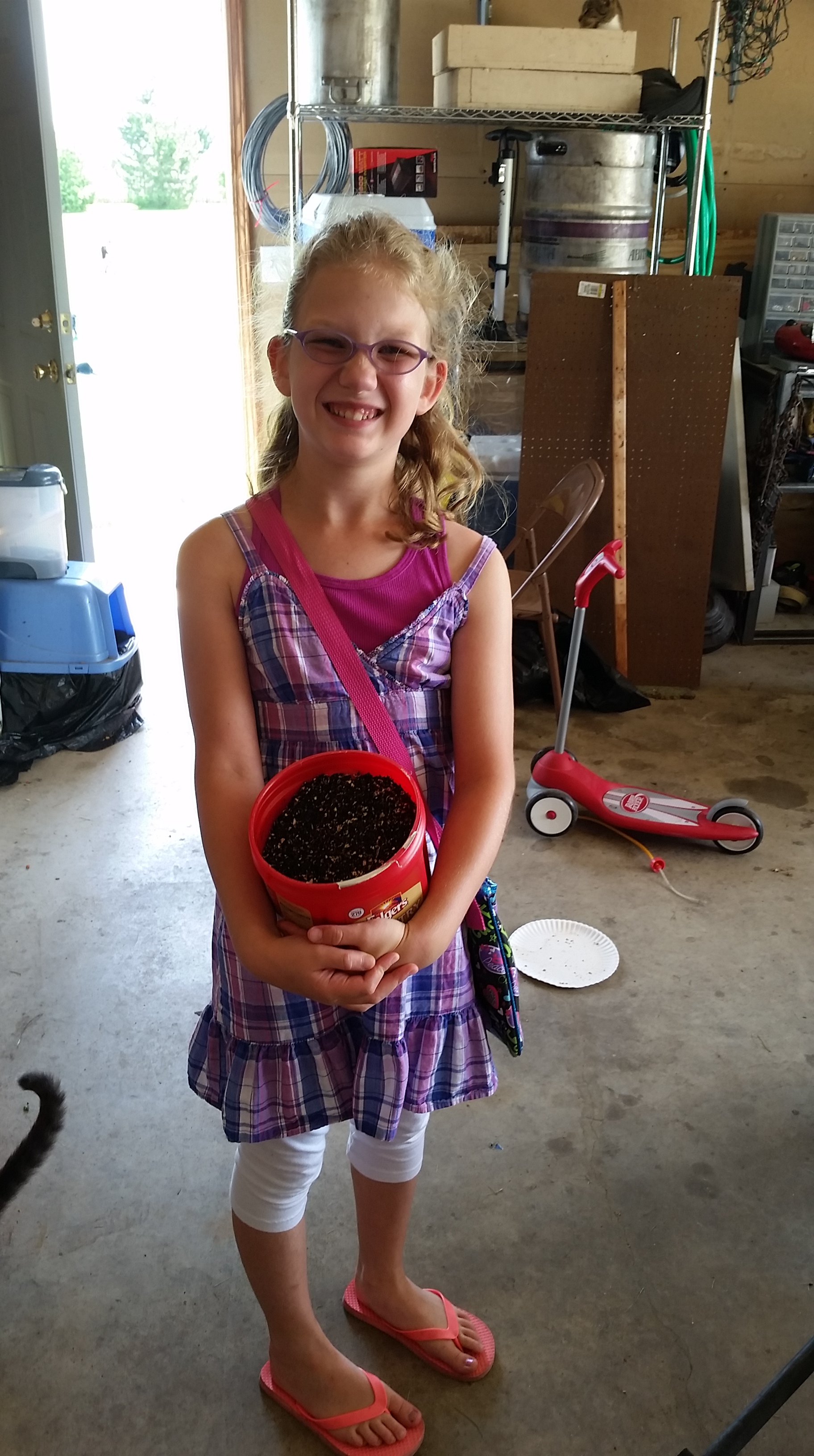
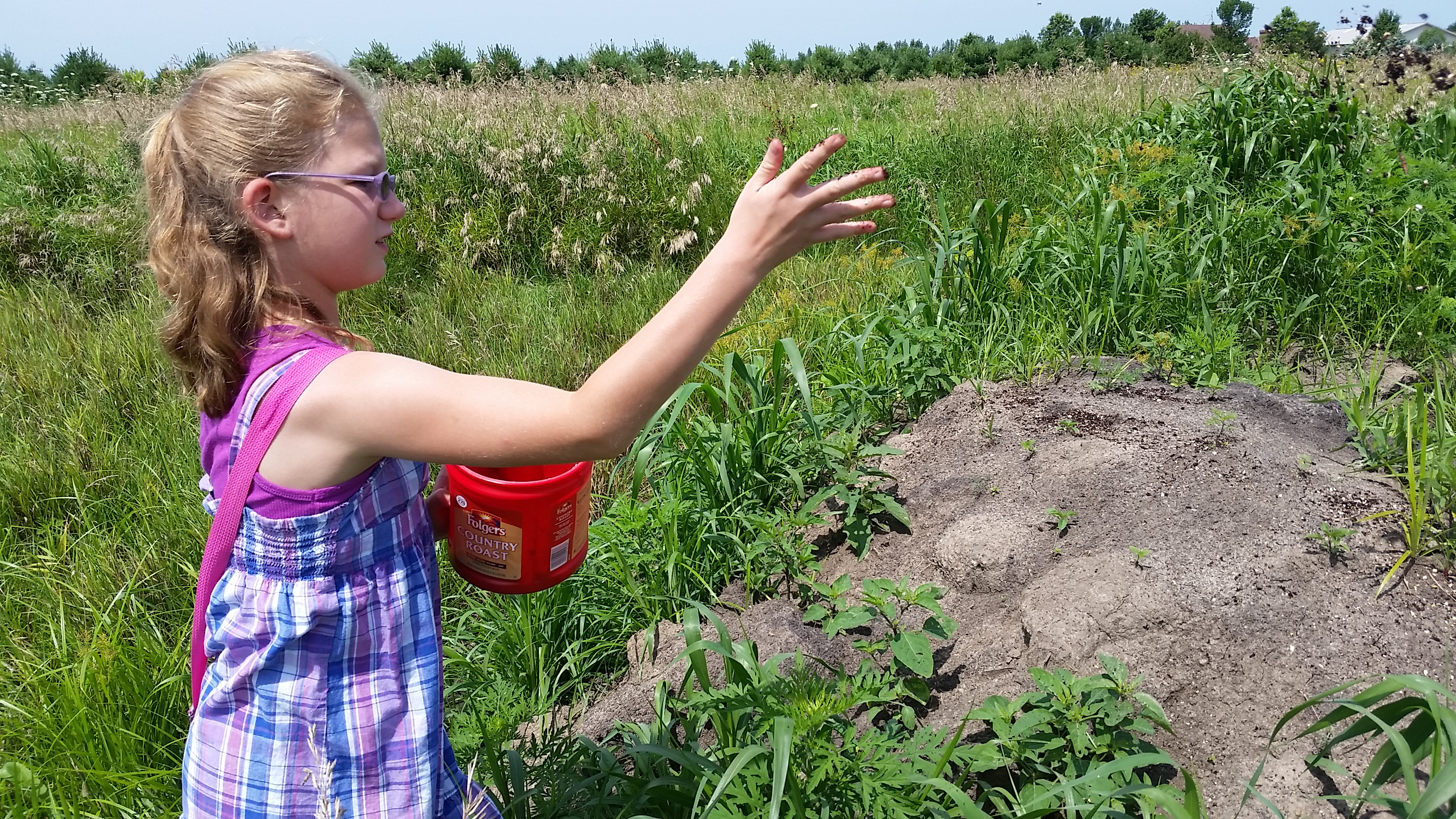
This round, we mixed dill, lettuce, cabbage, borage, carrots, parsley and catnip in a coffee can with soil and eggshells. Dill and borage grow quickly and easily in any soil type.

They are considered annuals but turn into perennials when they go to seed.

Our dill and borage forest can attest to that.

wpid-20150624_165409-1.jpg

The kiddos and I headed out to the pasture with a mission: spread seeds on the chicken trails and bare dirt around the pond.

They had a blast.

wpid-20150715_113439.jpg

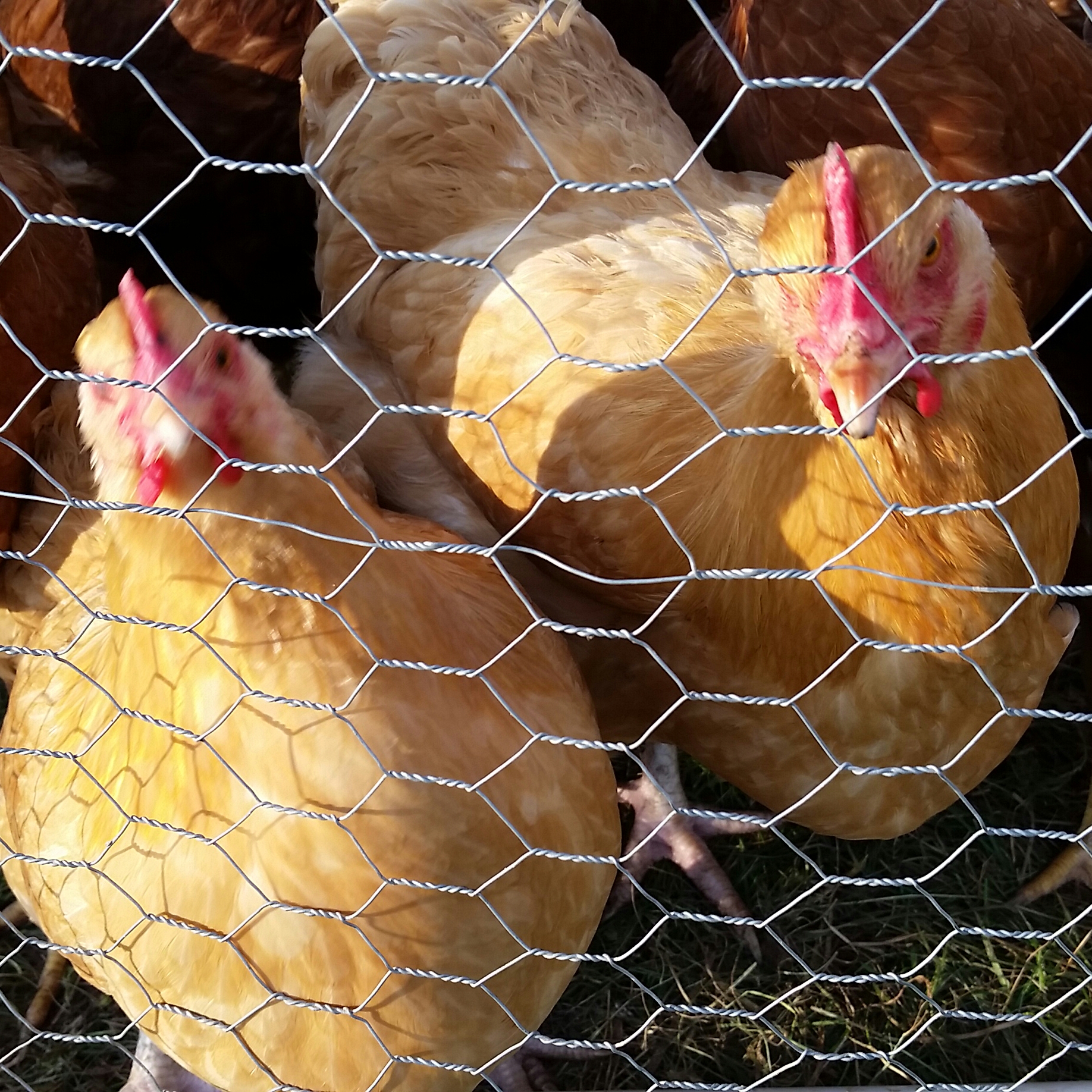
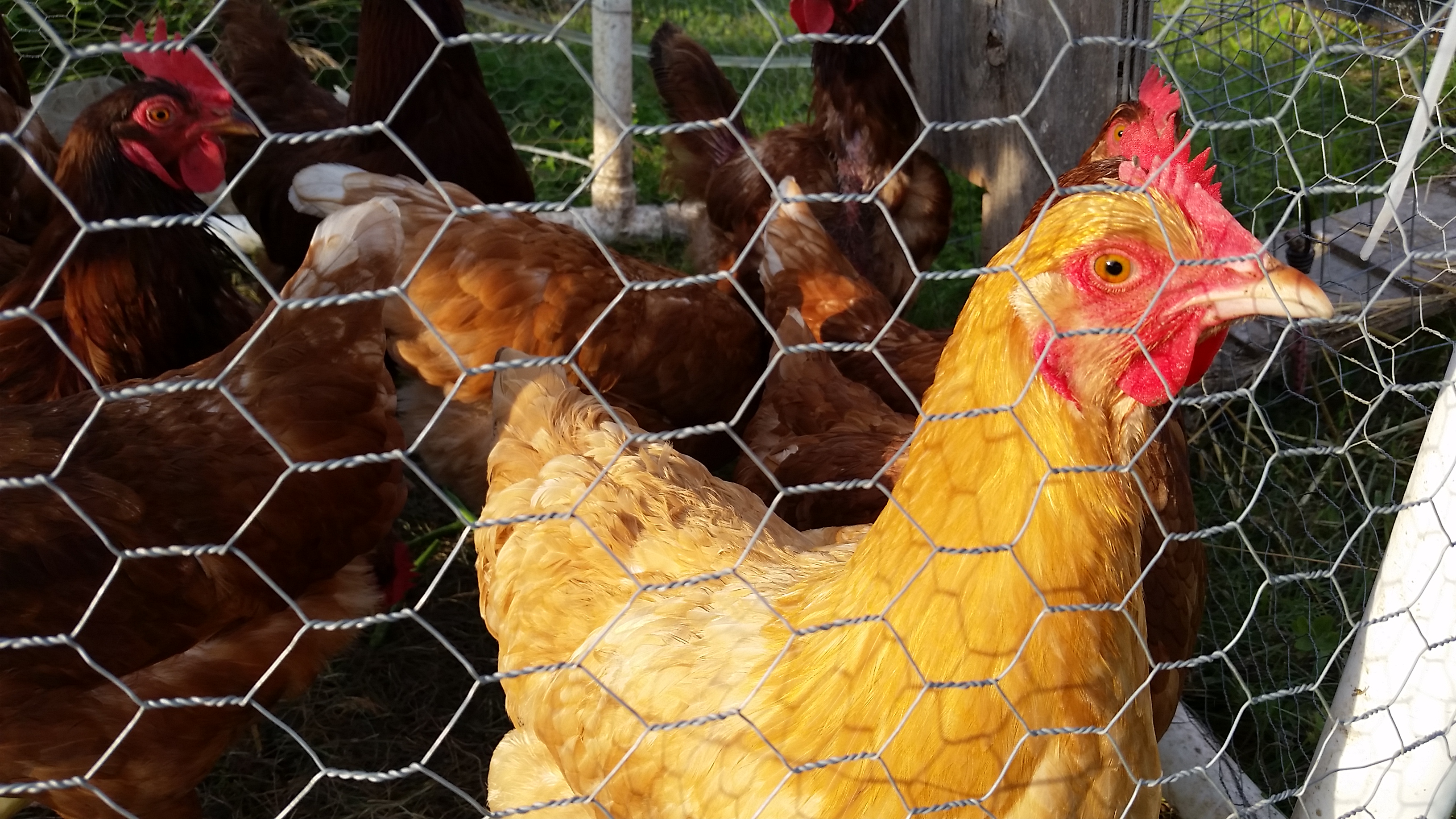
A few handfuls made it into the chicken play pen too…a small reward for ending the egg strike..

wpid-20150715_191430-1.jpg

The hens liked that.

wpid-20150715_191445.jpg wpid-20150715_191631.jpg

The chickens are laying again
Almost one egg per each hen
The eggs are so large
And we’re back in charge
But some are laid out in the pen

Joe’s New Pet

“Mom, look at this caterpillar!”

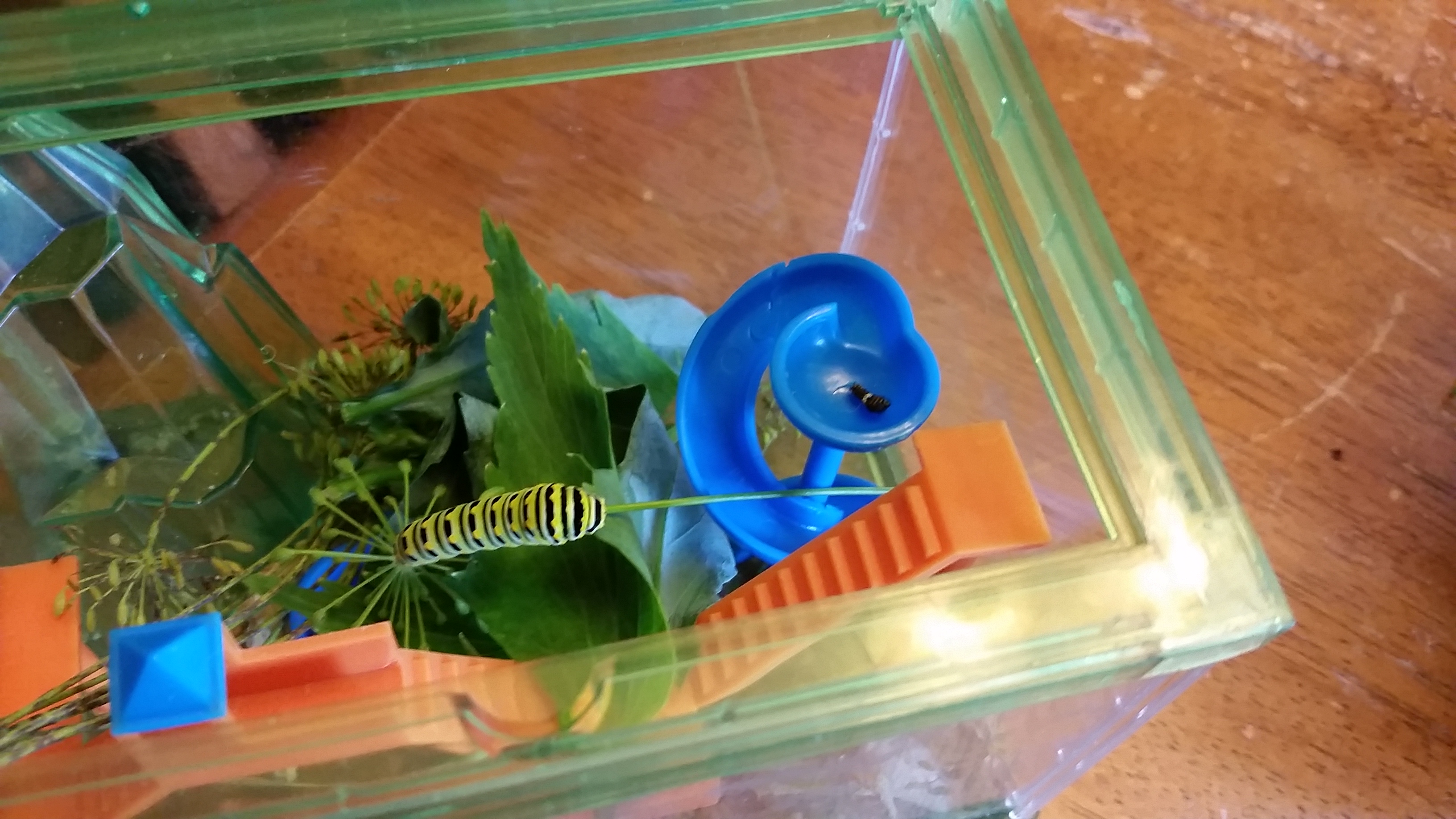
I ambled over to the dill forest where Joe was crouched holding a bunch of freshly harvested broccoli. He was staring at a black, white and yellow striped caterpillar that was munching on some dill.

Since we had such a surplus of the fragrant herb, I didn’t immediately want to feed the visitor to the chickens. It might be beneficial to some other garden plant.

Joe decided that we should to capture it.

“Mommy, let’s find out what it is!”

wpid-20150713_165004.jpg

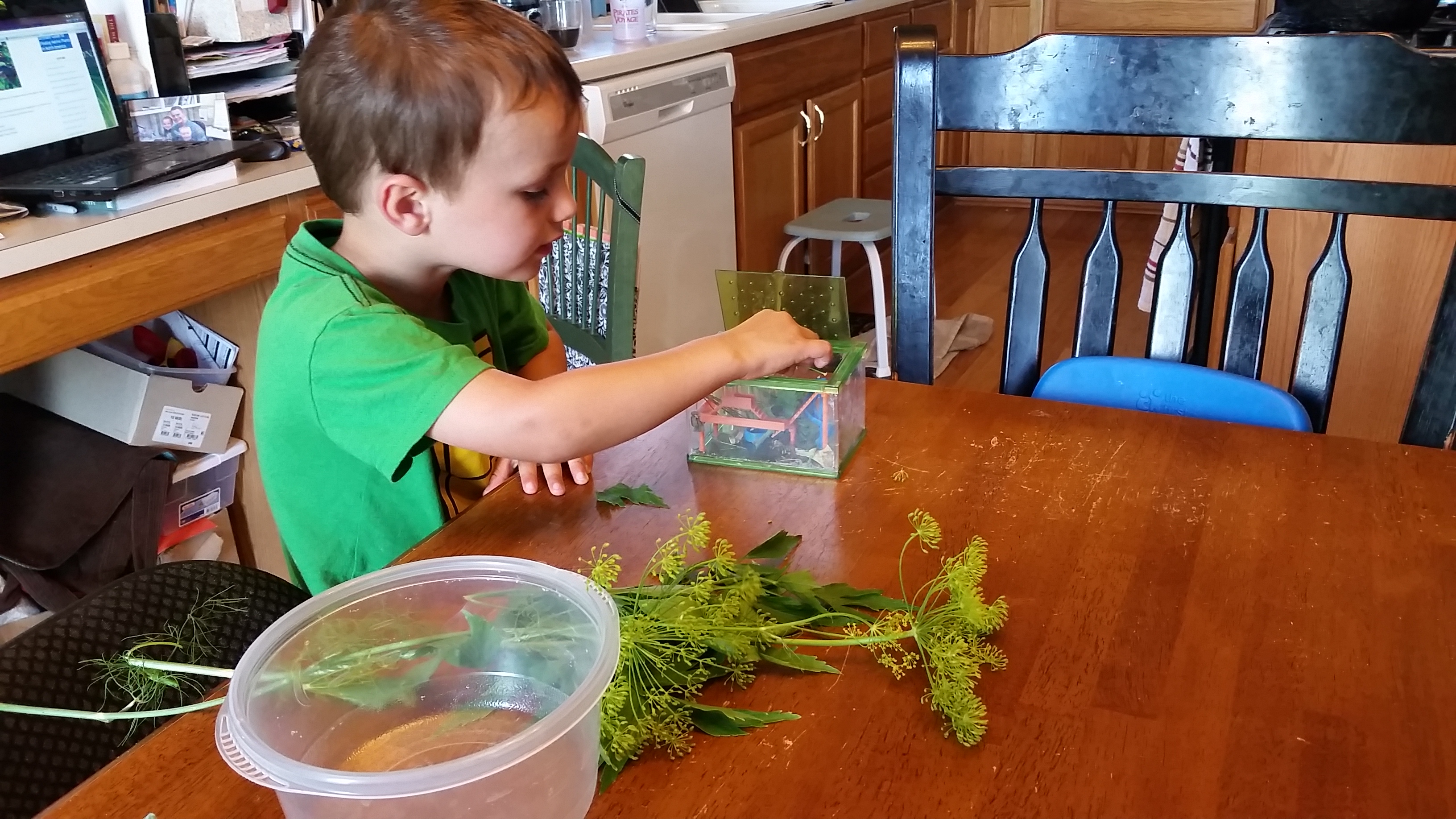
Joe pulled off the dill branch the critter was resting on and placed it in his jungle gym bug house. He also grabbed a few extra pieces of dill and grass, “in case it gets hungry later”.

Once we were inside, we studied it more closely.

wpid-20150713_165226.jpg

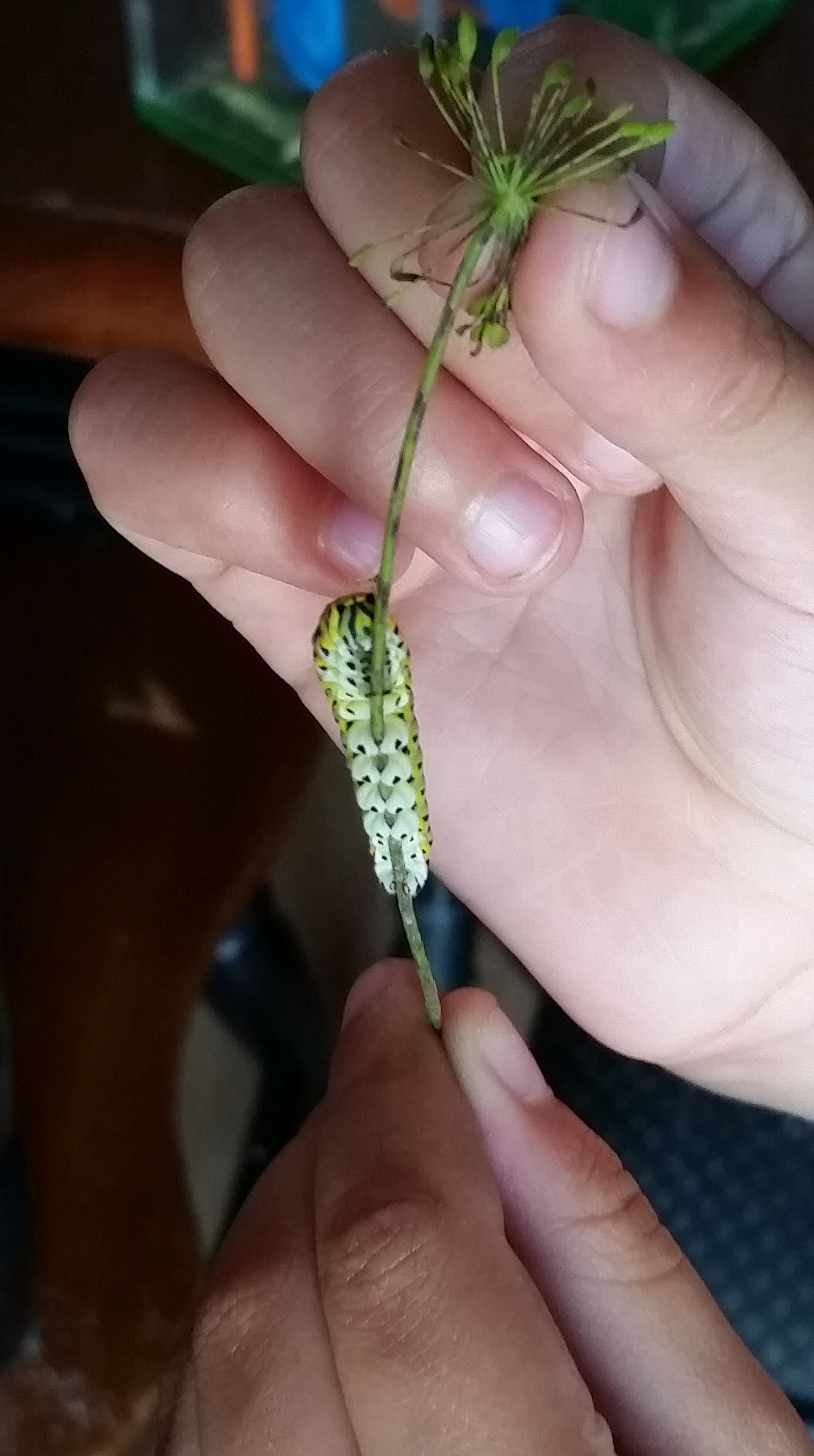
“Look! It’s her baby!” Joe was holding a tiny black caterpillar with a small white stripe.

“Where did you find it?”

“On her back!”

I didn’t really think that was where he found it until looked it up…sure enough, we’d captured a mamma swallowtail and her baby.

wpid-20150713_171539.jpg

We spent a few minutes researching what else they ate while Joe munched on the broccoli. I asked him what he thought we should feed it and he started to peel off some broccoli leaves.

“Let’s try this.”

So we put broccoli leaves and some grass. We went back out to the garden to pull more dill, some parsley and some lovage.

“Look! She’s eating it!” Joe squealed in delight.

wpid-20150713_171205.jpg

He may be terrified of bee mosquitos and leary of may flies and bees, but he’s still my little bug hunter.

Little bug hunter
I love your joy and surprise
At finding new bugs