Category Archives: Garden Stories

The Final Experiment

Operation Japanese Beetle Eradication (JBE)
Date: July 2, 2017

Subject of Study:
Japanese beetles aka &#%!@?s

Entomoligists:
– Joseph the Bug Hunter (JBH)
– Jacob the Bug Whacker (JBW)
– Melissa (Mom)

The Final Experiment

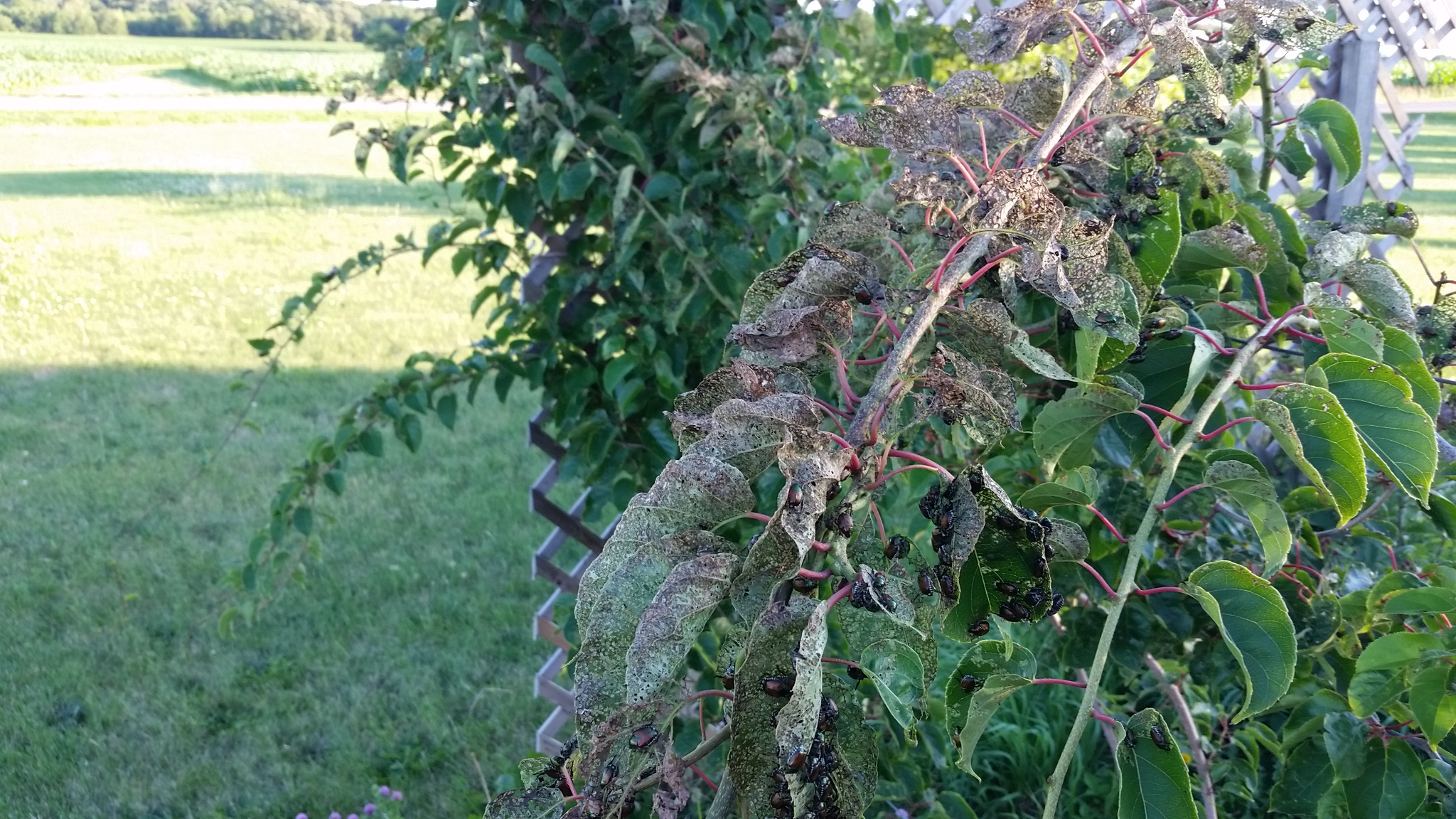
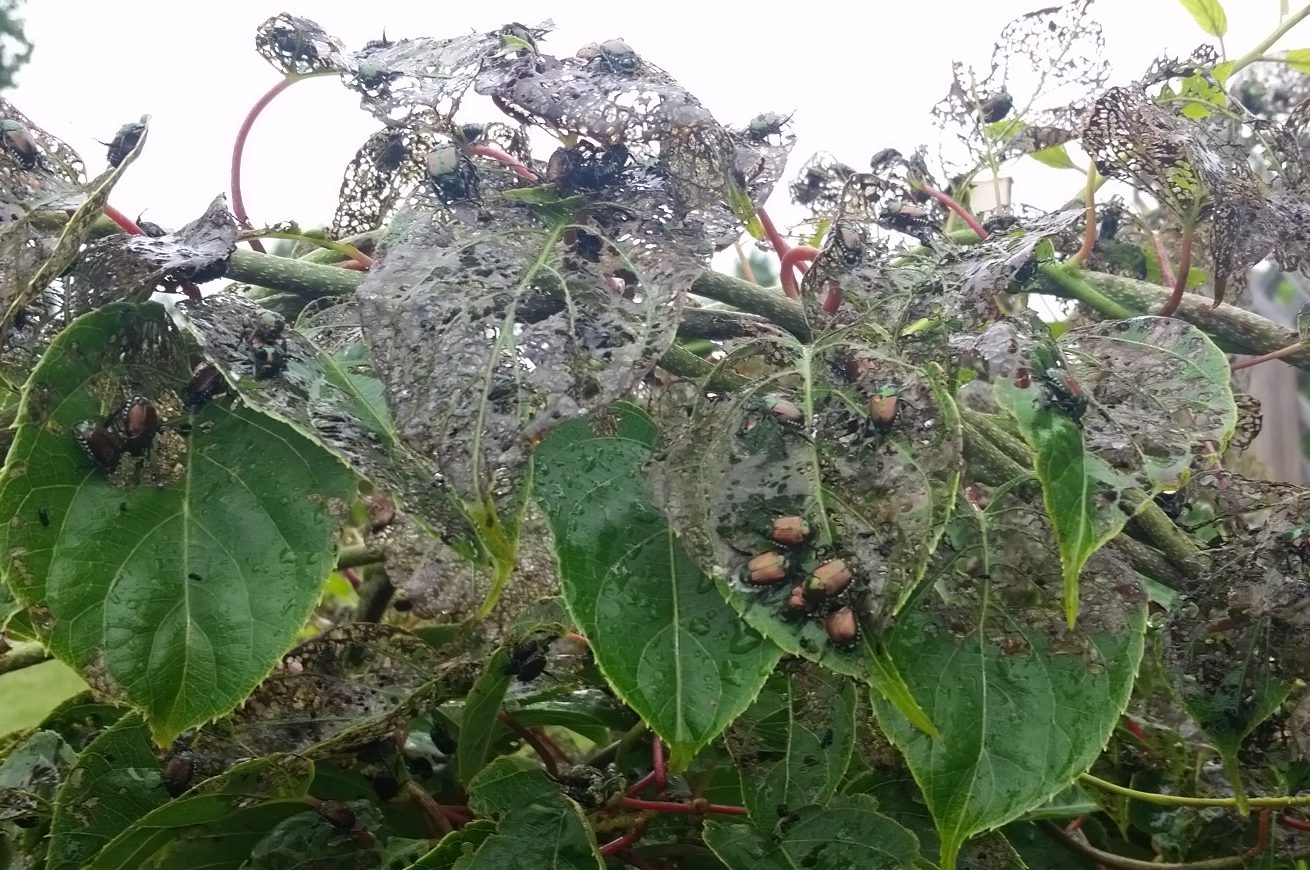
While I believe that one or all of the natural methods we tried would have worked to manage the onslaught of the beetles, I also believe that, by the time we tried them, it was too late and there were just too many to combat.
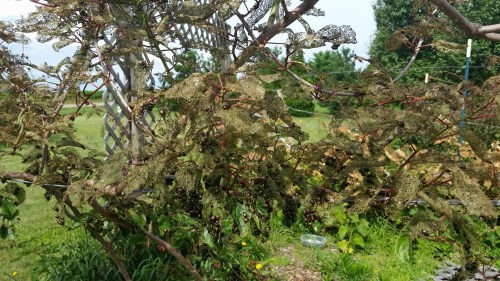
So, I am going to try organic Neem Oil in an effort to stop them from completely obliterating what is left of the vineyard, fedge and our young fruit trees in the swales.

We are also going to spread milky spore over the lawn to kill as many grubs as we can in the hope of hatching fewer beetles next year.

The potential problem with both of these methods is the cost.

Beetles are laying their eggs all over the 5 acres we own for the entire 8 weeks they are here. That means that next year Japanese beetle grubs will be waiting to emerge from the soil as a full-grown army of maniacal demons.   

If we wanted to cover the entire property, we would need a ton of milky spore to have a chance against such an enemy. 

Does this mean we won’t try it? Absolutely not. I will try everything withing my power to destroy my insect enemy, but we need to be vigilant and prepared with the other methods we have tried in order to stop–or at least better manage this blight.

They may have defeated us this year, but my team of entomologists will be back to fight the battle anew next year…armed with new knowledge and better weaponry.

Down but not yet out
We learn from all our failures
And come back swinging

Goji Growth

One pair of plants the Japanese beetles have not yet discovered are the goji berries we planted in the vineyard two years ago.

The vines are getting longer and starting to run on the ground, so we’ll be putting a row of wire up soon to make sure they have somewhere to ramble.

I’ve only ever had dried goji berries and the few puny ones that we got off the plant last year. They have a slightly bitter taste. Kind of like a cherry/cranberry/raisin combo. The boys and I like them, but we like a slightly sour berry.

The real benefit of these little pill shaped fruits is vitamins and nutrition they provide. The been shown to boost the immune system, improve brain activity and protect against cancer and heart disease.

They are packed with vitamin C, B2 and A and contain antioxidants like iron and selenium. In short, they are a superfood.

We’ve tried them out of hand. They’d probably be good in cereal or oatmeal too. Many people make a tea out of the berries. We may try that if we get enough this year. The plants are still pretty small, so we may just eat them off the vine again.

Small, delicate and wispy
Quietly growing vines
Leaves not brown and crispy
Flowers and leaves on a vine

Fruit oblong and rosy
Tasty and juicy too
Clumped together and cozy
A delicate, reddish hue

Operation Japanese Beetle Eradication #2

Operation Japanese Beetle Eradication (JBE)
Date: June 26, 2017

Subject of Study:
Japanese beetles aka Revolting Beasts

Entomoligists:
– Joseph the Bug Hunter (JBH)
– Jacob the Bug Whacker (JBW)
– Melissa (Mom)

Report on 1st Experiment:
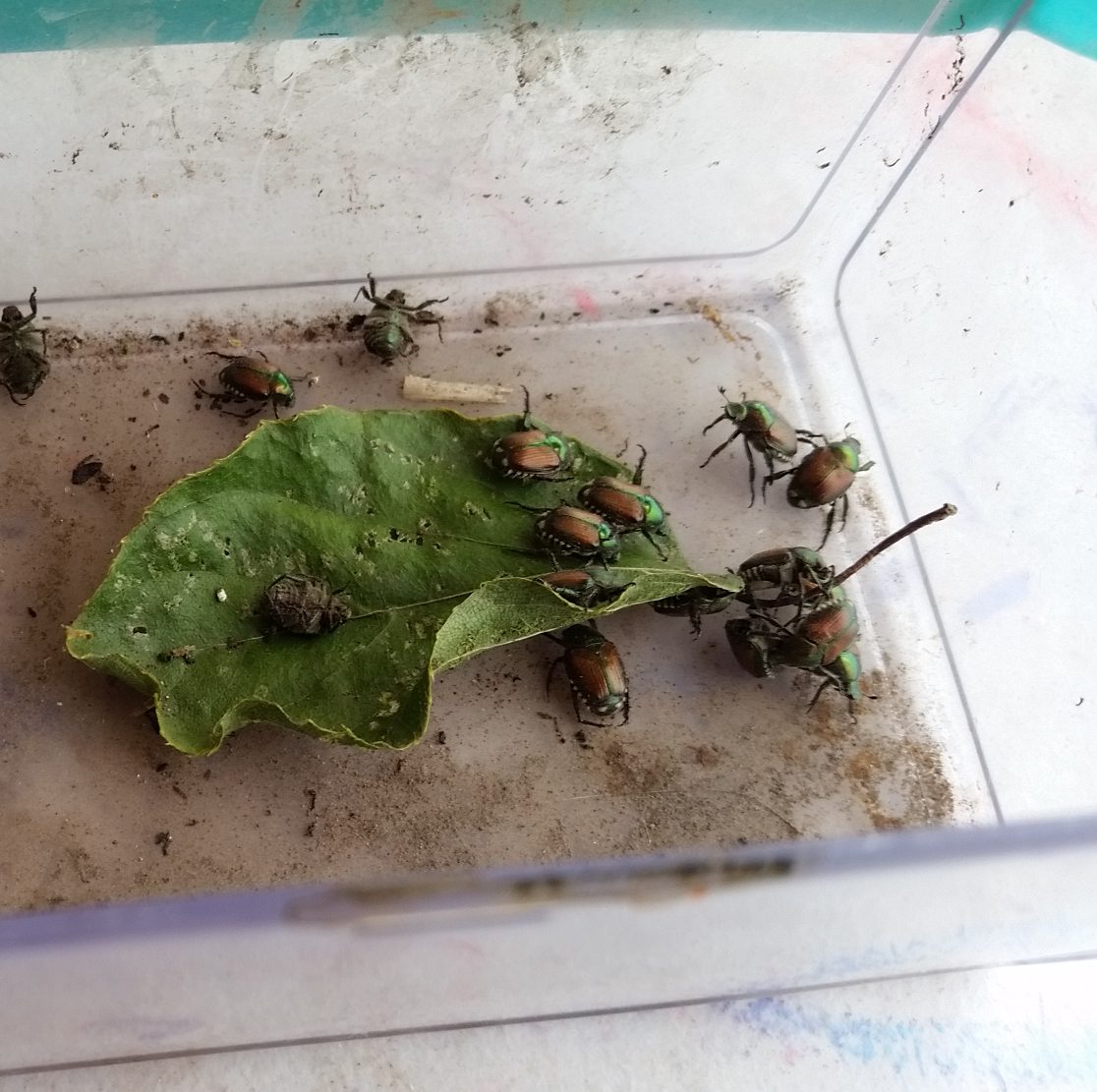
The beetles in the bug house are not as destructive as we predicted. It is possible that we have disturbed their behavior patterns by taking them out of their natural environment.

But I suspect something more diabolical.

They are up to something. I just know it.

New Observations:
– With high winds in the early afternoon, subjects behaved as they do in early morning and twilight hours. They were hanging on tight to their green victims, but they did not flee when approached.
– They are moving onto the blackberry leaves in force. I find more congregating there everyday.
– There are no Japanese beetles on the blanket of mint growing on the vineyard floor. Is the scent too strong?

They are increasing in number and becoming more destructive by the day. We must figure out how to stop them before it’s too late.

Experiment #2:
In further studying natural methods of disposing of the revolting beasts, we have decided to strategically place containers of drowned beetles around the perimeter of the most attacked areas of the homestead.

Other beetle battlers have reported success with this method. Apparently, the smell of rotting beetle bodies deters others from coming into the area of destruction.

Results pending. (I’ll believe it when I see it.)

Operation Japanese Beetle Eradication #1

Operation Japanese Beetle Eradication (JBE)
Date: June 23, 2017

Entomoligists:
– Joseph
– Jacob
– Melissa

Subject of Study:
Japanese beetles aka Revolting Beasts

Appearance:
– Six legs
– Oval in shape, 1/3-1/2 inches
– Metallic green with coppery brown leaf covers
– Five patches of white hair on each side of the abdomen and 1 patch on the lower abdomen

Life cycle and Known Facts:
– Egg, grub, and adult stages.
– From early June to late July they emerge from the soil as pupa, become fully grown adults and begin their attack.
– They have an 8 week lifecycle during which they are laying eggs every day.
– The females live for a couple of weeks feeding on trees, shrubs and roses in the morning.
– They hide during mid-day and return to the desecrated plants in the afternoon.
– At this time, they carry out their true objective: they lay more eggs.
– They leave their scent on the leaves they eat as if to tell their cronies “this is a good spot”.

Observations:
– The beetles seem to be sleeping during twilight and the early morning hours.
– Cool rainy weather makes them lazy and depressed.
– In extreme winds, they have a tighter grip on the leaves they are desecrating.
– They are beginning to go after the early fruit as well as the bright green leaves.
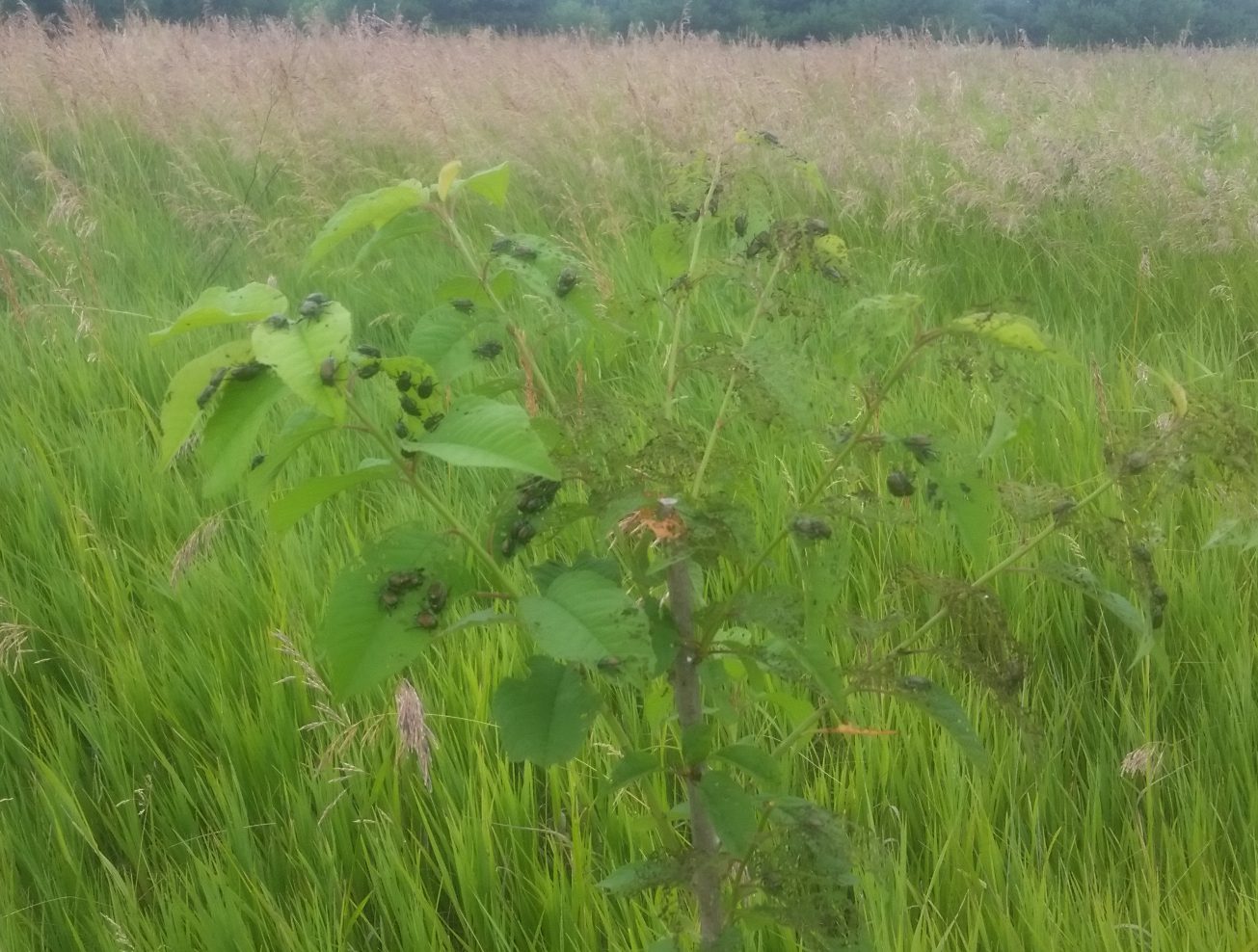
– They love roses and are VERY fond of hardy kiwi and grape leaves.
– They are starting to attack blackberry, seaberry, aronia, cherry, blueberry and raspberry leaves.
– They seem to enjoy healthy plants as they are leaving the unhealthy ones alone.

Experiment #1:
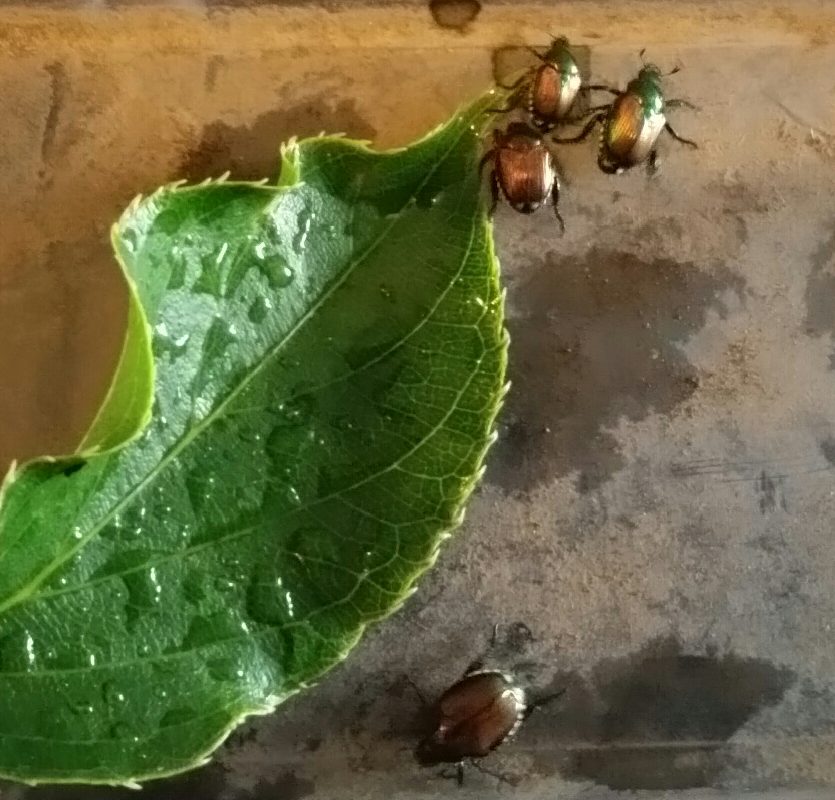
– I caught four of the fiends and put them in my son’s bug house for observation.
– In this first experiment, we will make note of how long it takes 4 beetles to devour a leaf.

Results pending.

Survivors

When we moved in 5 years ago, we brought a blueberry bush from Michigan.

This very sad shrub sat on our deck in Michigan for 3 months. Then, it lived at my mom’s for a month or so while we waited to close on the house.

Then, it sat on our deck for another 9 months.

In all, it was neglected and forgotten for a little over a year.

Yet, still it survived. So…we planted it along with a few more in our new fedge.

None of the blueberries did well that first year, or every year after for that matter. In fact, we didn’t even know we still had blueberries until we started removing cages from the fedge.

We were certain that the cages were just protecting dead plants, so when we pulled them and saw live plants with actual tiny blueberries on them, we were amazed.

The Wonder Plant – Survived a winter in Michigan, a winter in Illinois and 3 years of neglect.

Another neglected plant we put in the fedge in 2013…it lives!

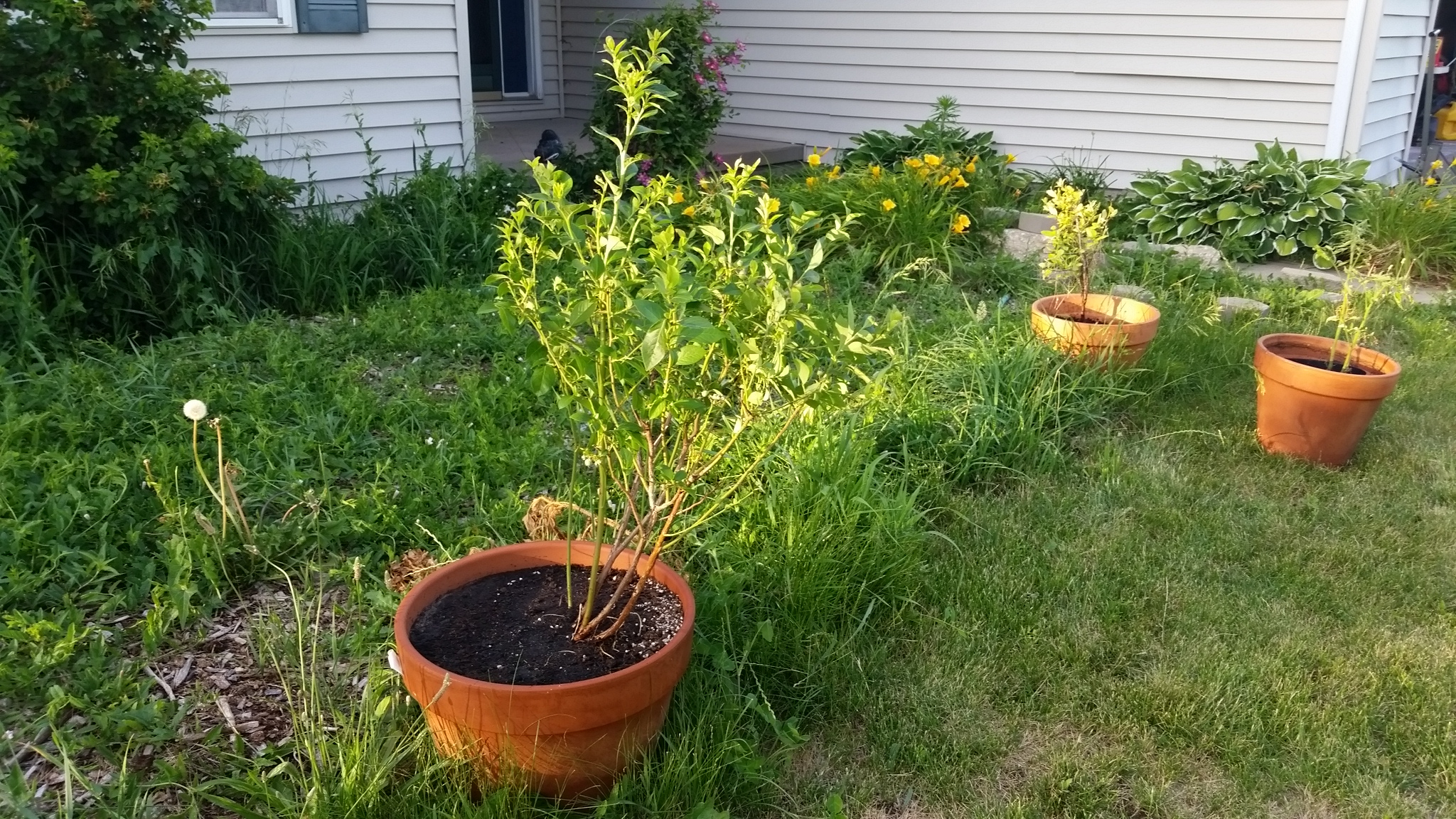
We ended up pulling three bedraggled but very much alive blueberry plants from the fedge. We potted them up and fed them acidic fertilizer and now we’ve only to wait to see if they will finally produce to their full potential.

I’m hoping that placing them next to the thriving one I bought at a bargain will encourage them to grow.

Bedraggled berries
Tired, worn out but not beaten
Forgive my neglect

Vigilant

This year, I won’t get angry.

I won’t throw a fit and stomp my feet.

I won’t let the Japanese beetles get the best of the homestead.

We’ve learned from our mistakes.

1). Using a “trap” to attract the beetles away from the plants ends up doing more harm than good.

Sure, the traps work as advertised, but they draw even more beetles to the property than would otherwise be there.

Last year, we filled several 5 gallon buckets due to the traps, but it made little to no difference in the damage they did.

2). Waiting until the beetles have overtaken every tree, bush and shrub means having and overwhelming feeling of hopelessness and frustration.

Last year at this time they were horrible. So far, they haven’t been as bad.

We are staying ahead of them this year. Every beetle we drown is a beetle that won’t reproduce.

Each morning and evening we go out on patrol. It is a family chore. We work together as a team.

Ray and I are armed with buckets of soapy water.

Joe and Jake are the spotters.

We are ahead of the game, at least for now.

Looking at pictures from last year, they are not as bad. There are fewer beetles and the damage done has been minimal…so far.

We will be vigilant.

We will stay the course.

We will win.

Back to the battle
Japanese beetles invade
We will win this fight

Under Construction

In January, we said YES! to helping the neighbors move a greenhouse over their pool to our backyard.

We made it this year’s big project.

In March, I wandered over and labeled the parts and then sketched the layout to match the labels. We thought it was going to be difficult to take apart and even more difficult to put back together.

All those pavers! All that dirt! All those posts!

In April, we pulled up, scraped off and stacked the pavers on pallets and used the skid steer to get them to our backyard.

And finally, at the end of May and into June, we transported the dirt and moved all of the pieces of the greenhouse over…not piece by piece, but section by section.

Now, the bones of the greenhouse are in our yard and our neighbor is ready to turn the pool back into a…pool.

It was over a week of heavy lifting, scraping and transferring to move the pavers.

Then, a week of hard work in sweltering temperatures to get the dirt out.

When it came time to move the rest of it, it took two days and a few friends to help carry the light but unwieldy parts.

Operation Greenhouse has come a long way since the beginning of the year, and now we are only a weekend or two of work away from using our very own greenhouse.

A greenhouse out back
Filled with produce of all kinds
A garden all year

The Raised Beds

We shoveled, wheelbarrowed and transported dirt this weekend from the greenhouse at the neighbors to our yard.

Because the greenhouse is, well, a greenhouse, the crew had to work early mornings and at dusk when the temperatures were not so high and the air was not so still.

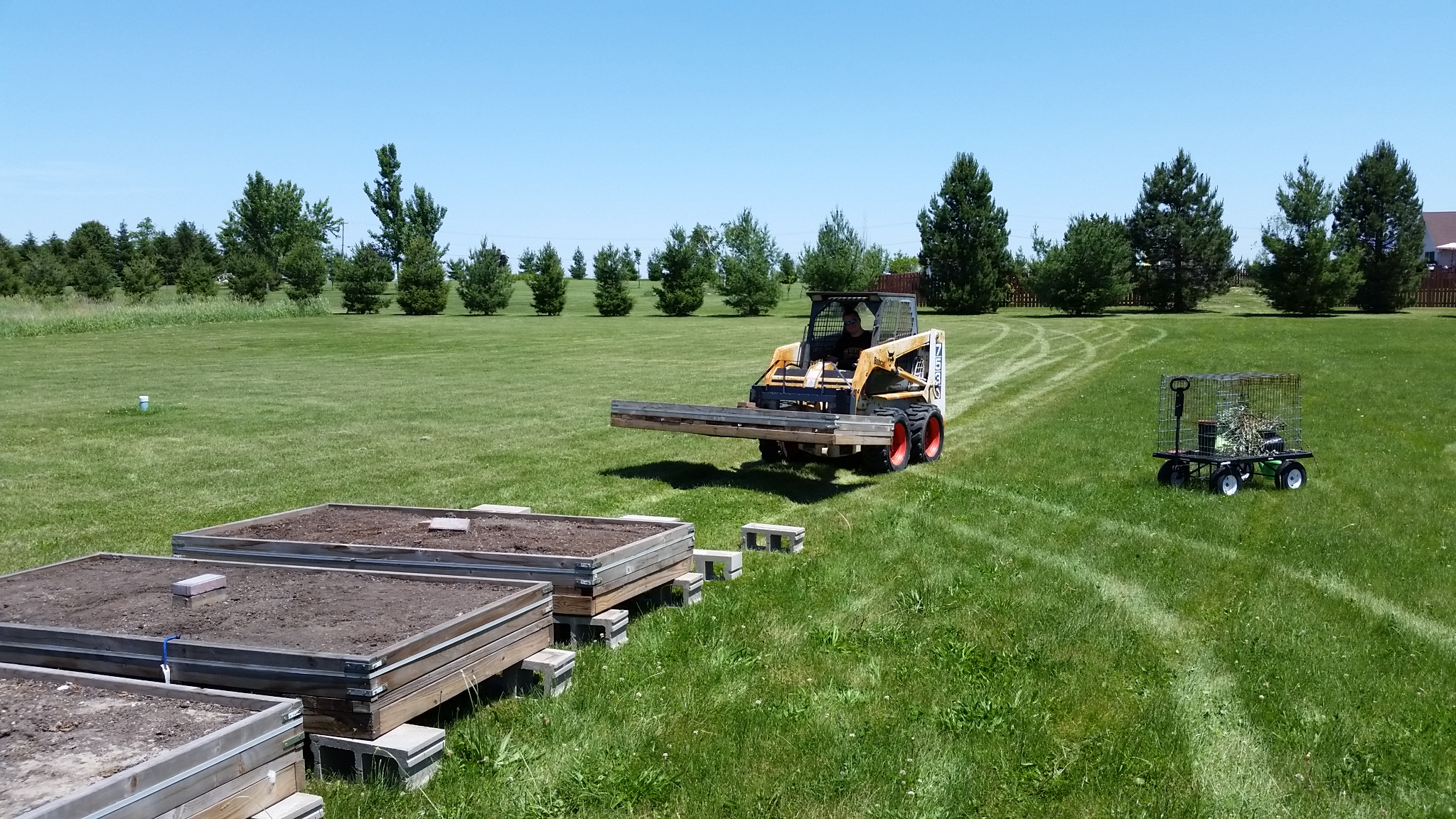
Midday on Saturday, before quittin’ time, they brought the raised beds over.

I watched the skid steer lumber over the yard, that first bed in its metal arms and felt giddy.

Even with all the garden space we have, I’m excited about these raised beds. Most of them will go in the greenhouse when it is up, but a few will stay out along the deck holding lettuce, spinach and all the leafy greens.

Once we set up the first bed, I started preparing the soil. I raked in egg shells and vegetable fertilizer and watered it thoroughly.

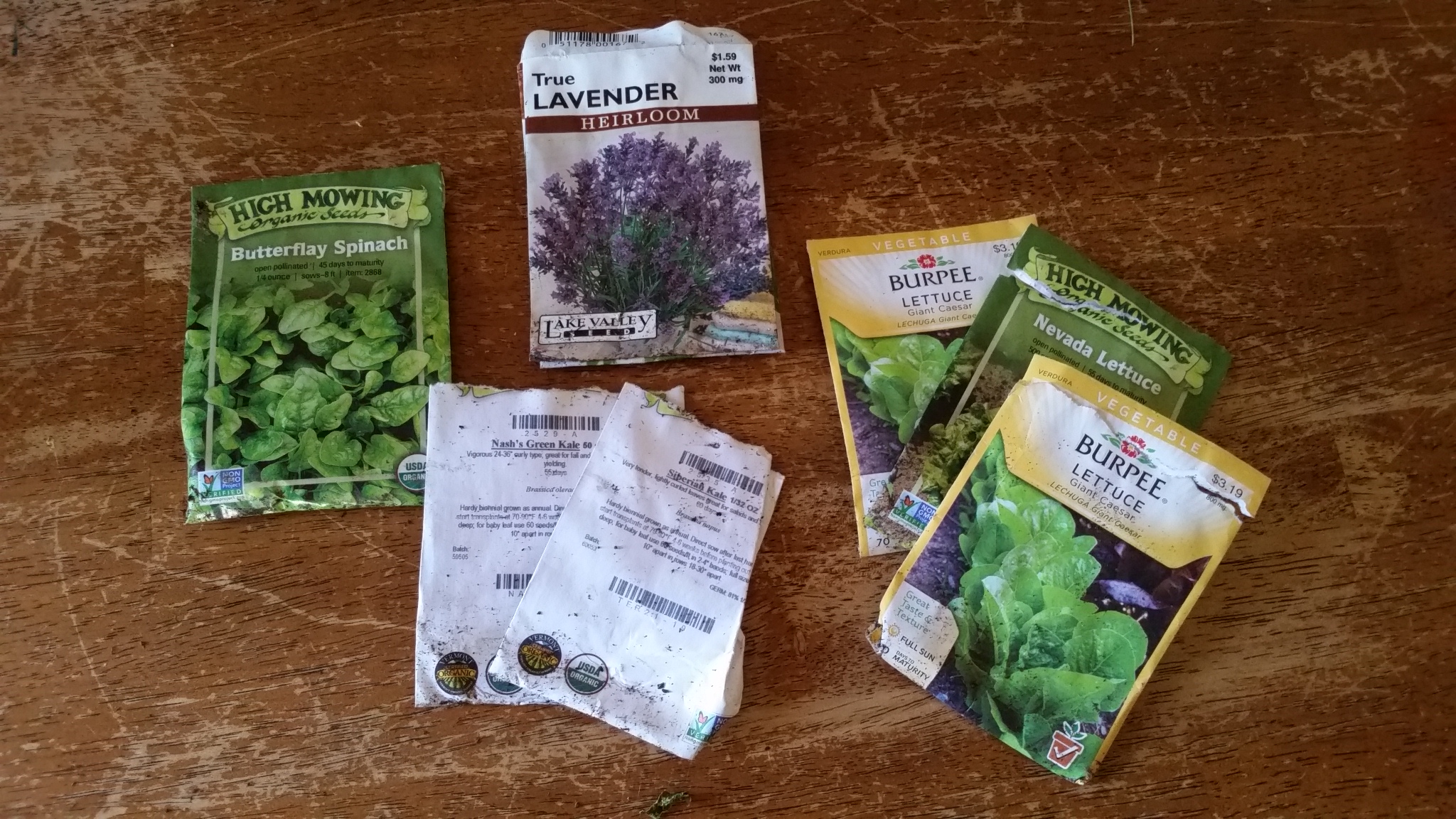
Once the bed was ready, I planted:

  • 2 rows of kale
  • 1 row of spinach
  • 6 rows of four different varieties of lettuce
  • 1/2 row of lavender
  • 1/2 row of rosemary
  • 1/2 row of basil

I labeled everything, but as I don’t have much luck with labels staying in one spot (ahem…cats and kids), I also drew a map.

The “MG” stands for marigolds. I planted 3 rather sad looking specimens down the center and plan to get a few more to add this week.

I might be a little “off-schedule” with some of the varieties I planted, but it is definitely not too late to start a garden.

Most garden centers have a seed starting schedule specific to your area/zone that is based on the average last frost date.

All those greens, broccolis, cabbages, beans, brussels sprouts and other cool season crops can continue to go in the ground from now through mid-August.

So don’t give up if you think it’s too late to start a garden! Plant now and you’ll have fresh garden veggies for the fall.

Fall gardens are best
For yummy sides and salads
And the taste of sun

Day of Dirt

Yesterday was a day of dirt.

Digging.

Shoveling.

Crushing.

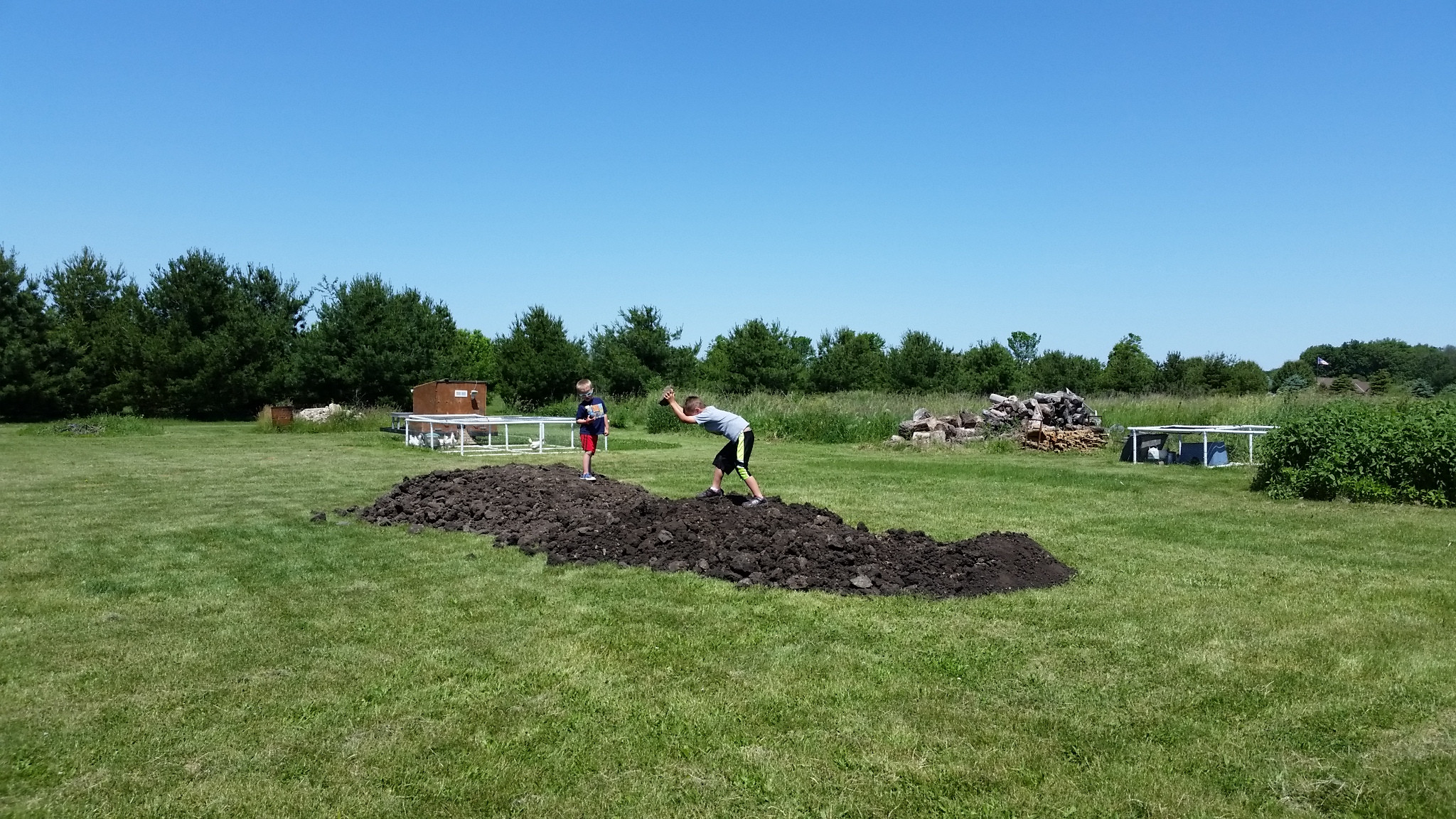
Ray and a team over at the neighbors started transporting dirt from the greenhouse to our yard.

Joe and Jake helped by stomping and crushing the pile.

Meanwhile, I dug holes and transplanted raspberries and seaberries out in the swales.

There are seaberries coming up everywhere in our fedge. They run under the ground and pop up in, around and between other rows.

The root system runs wild under the ground from plant to plant. This means that when you dig one plant up, you usually end up with two or three all strung together.

It wasn’t until I’d dug up the third plant that I’d noticed the nodules.

All of those bumpy white nodes that look like a cluster of eggs are packed with nitrogen. They are just waiting to spread and feed the plants and trees around them. Pretty cool!

After all the raspberries and seaberries were in their new homes, I mixed water with some Superthrive, a liquid multivitamin for plants, and gave them a good soaking.

By the end of the day, I’d transplanted 10 raspberries and 8 seaberries and we had a large chunk of dirt in our backyard.

Playing in the dirt
In the hot summer sunshine
Gives me a warm glow

Milkweed and Mistakes

I have a confession to make. A rather embarrassing oversight on my part.

I had thought all the milkweed was gone.

Whenever I went out to the pasture, I searched and searched with no luck.

Turns out, I didn’t really know what I was looking for.

It wasn’t until Joe, my sweet 6-year-old boy pointed it out that I realized I’d missed it.

“Here’s the milkweed!” he shouted.

I gazed at it and felt an overwhelming sense of…embarrassment. Or maybe shame is a better word.

You see, I had seen this plant before.

In the vineyard.

In the fedge, and all over the pasture and swales.

In short, I’d seen it everywhere.

I just didn’t recognize it for what it was.

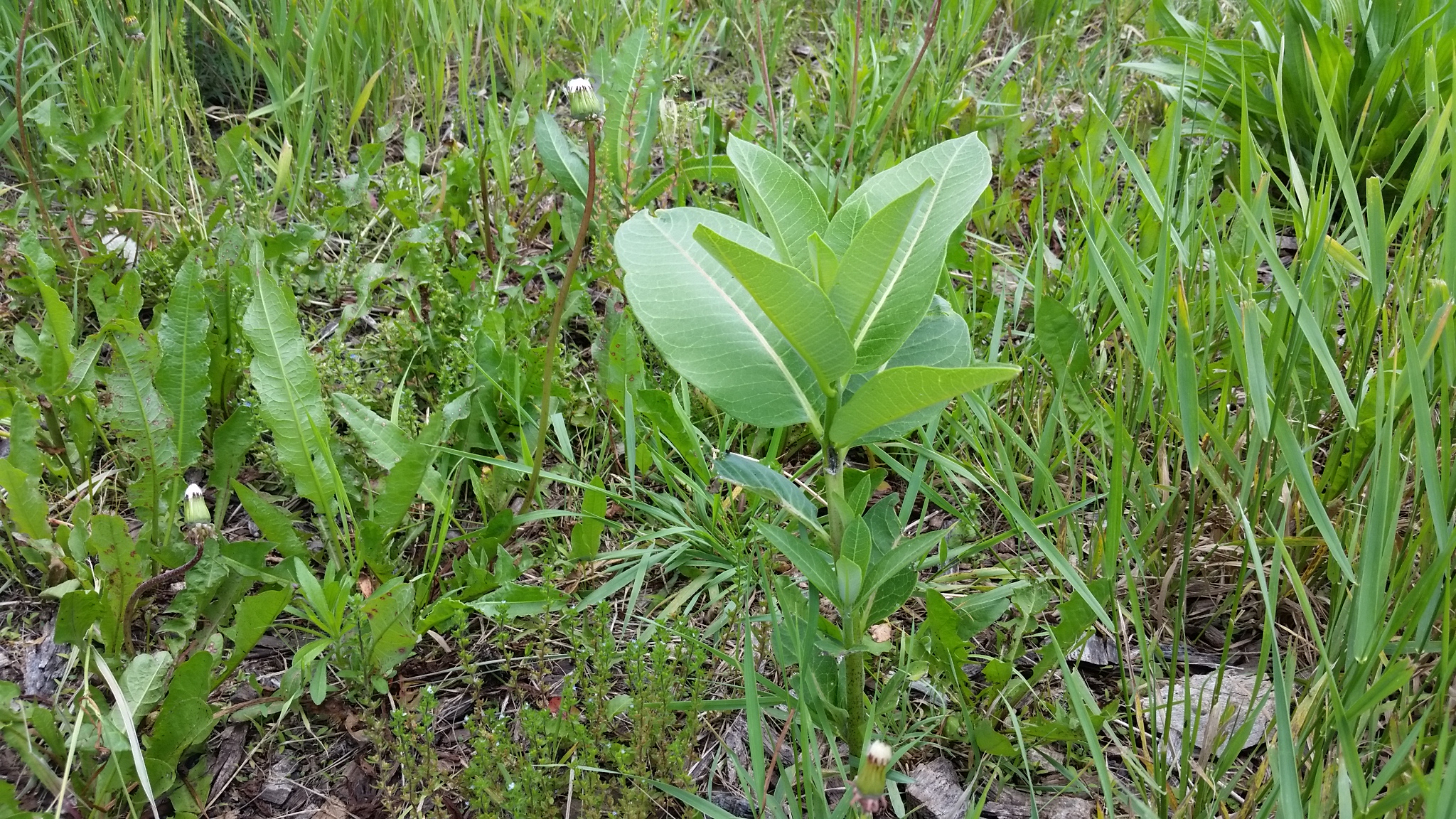
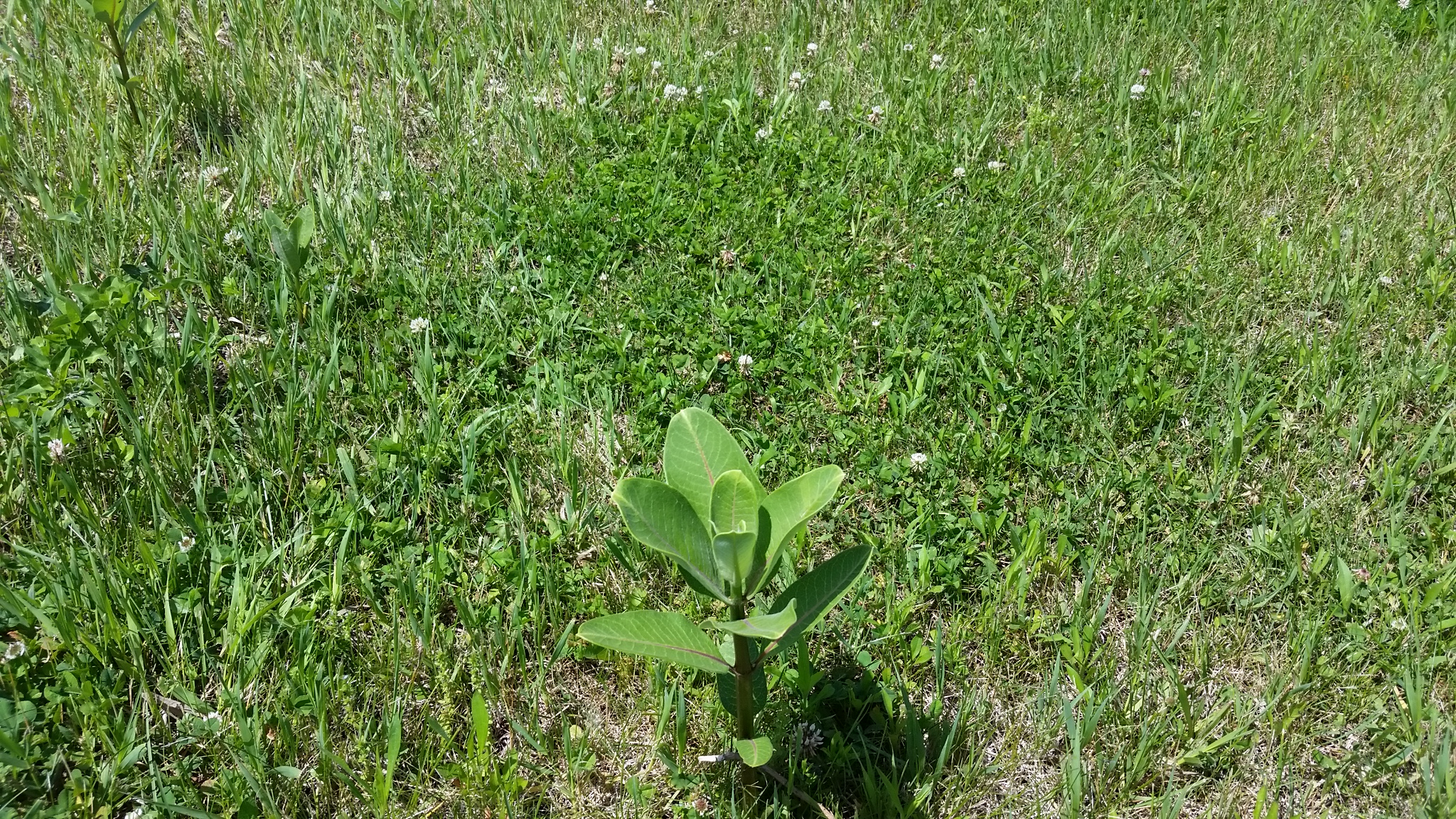
I’d been searching for the tall plant with the big pods, not these little guys. I didn’t stop to think what these might be…I just pulled them.

Sure, I left them alone when they weren’t in the middle of a path or smack in the center of the yard. The leaves are smooth and kind of pretty and I thought they looked nice mixed in with all the other greenery.

But I ruthlessly pulled all the others.

I felt really bad that I’d not recognized this plant for what it was. So I did a few Google searches to see what the life cycle of the milkweed is.

I learned that the life cycle from seed to flower is actually about 3 years. And guess what? The young plants don’t look a whole lot like milkweed. In fact, the very first “common mistake” listed is…

Not recognizing the small plant for what it really is- Milkweed!

I felt a little bit better after that.

Until I remembered that my 6-year-old recognized the plant for what it was.

Boy was my face red!