Category Archives: Permaculture

Next Year

Next year in the garden
Everything will grow
All the plants I’ve started
Every seed I sow

The carrots will be plenty
The tomatoes will not blight
The borage won’t take over
The dill won’t win the fight

I’ll fight off every thistle
I’ll pick off every pest
No cabbage will be ravaged
The beans will be the best

Next year on the homestead
I’ll regroup and I’ll seek
To learn from all these lessons
To fertilize each week

But this year I’m so thankful
For everything that’s grown
From lettuce, herbs and berries
To sweet smiles from my own

wp-1469024910355.jpg

Hedgerows and Vines

The hedge and the vineyard are both green and lush with fruits ripening or budding on almost every plant.

There is no sign of fruit on the kiwi and, unfortunately for us, there should be full size fruit on the vines now and ripe fruit by the end of August.

There’s always next year.

wp-1467903433026.jpg

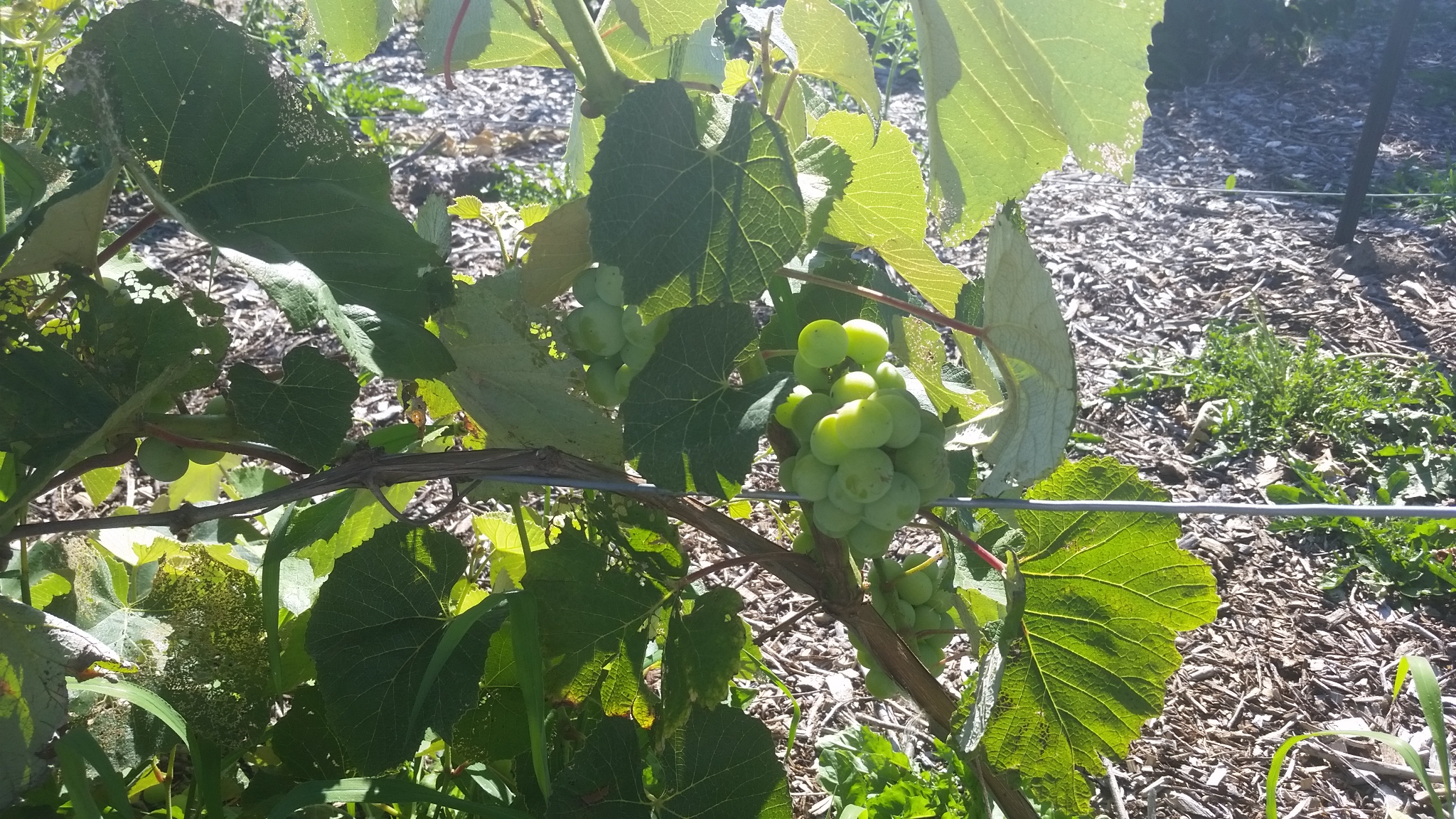
The grapes, even though they’ve been hit hard by the Japanese Beetles, look great. They are full size and just starting to turn into that beautiful deep purple that heralds ripe fruit.

The boys are itching to pick them so I let them try one resulting in sour faces and “you were right” mommies.

wp-1468422108167.jpg

The Rose de Bernes I planted in the vineyard all have small green tomatoes growing. They will be a deep pink when ripe.

wp-1468415553787.jpg

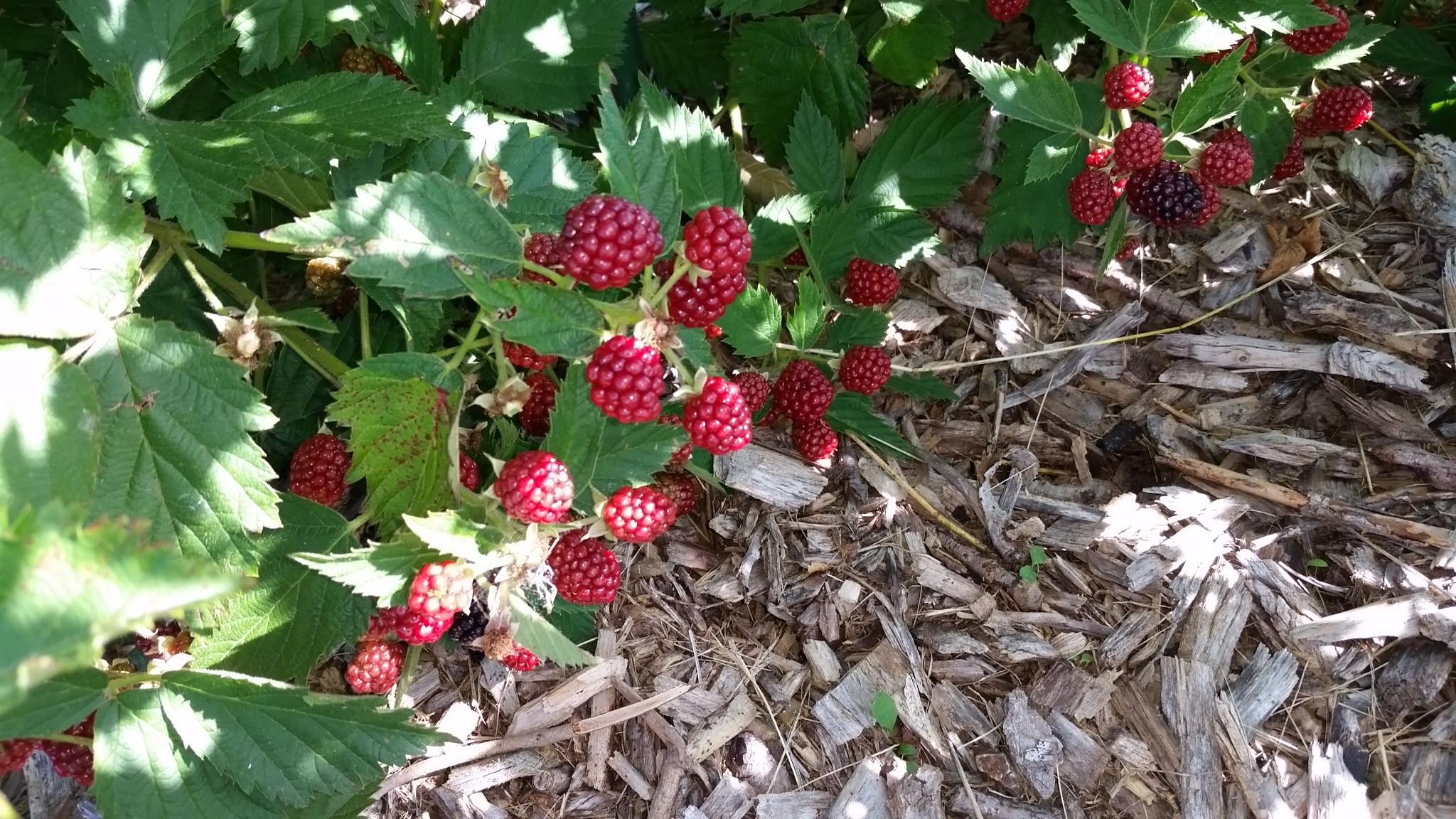
There are so many blackberries ready to ripen. We get at least a full bowl of juicy berries every day and still the vines are heavy with them.

wp-1468415554117.jpg

wp-1468415554205.jpg

Even the vine I cut and stuck in the vineyard has has a few little berries on it.

wp-1468422108169.jpg

On a sad note, I feel I’ve neglected the kitchen garden this year.

I waited too long to plant the squash, even though I made a beautiful trellis for it to climb up.

wp-1468425413481.jpg

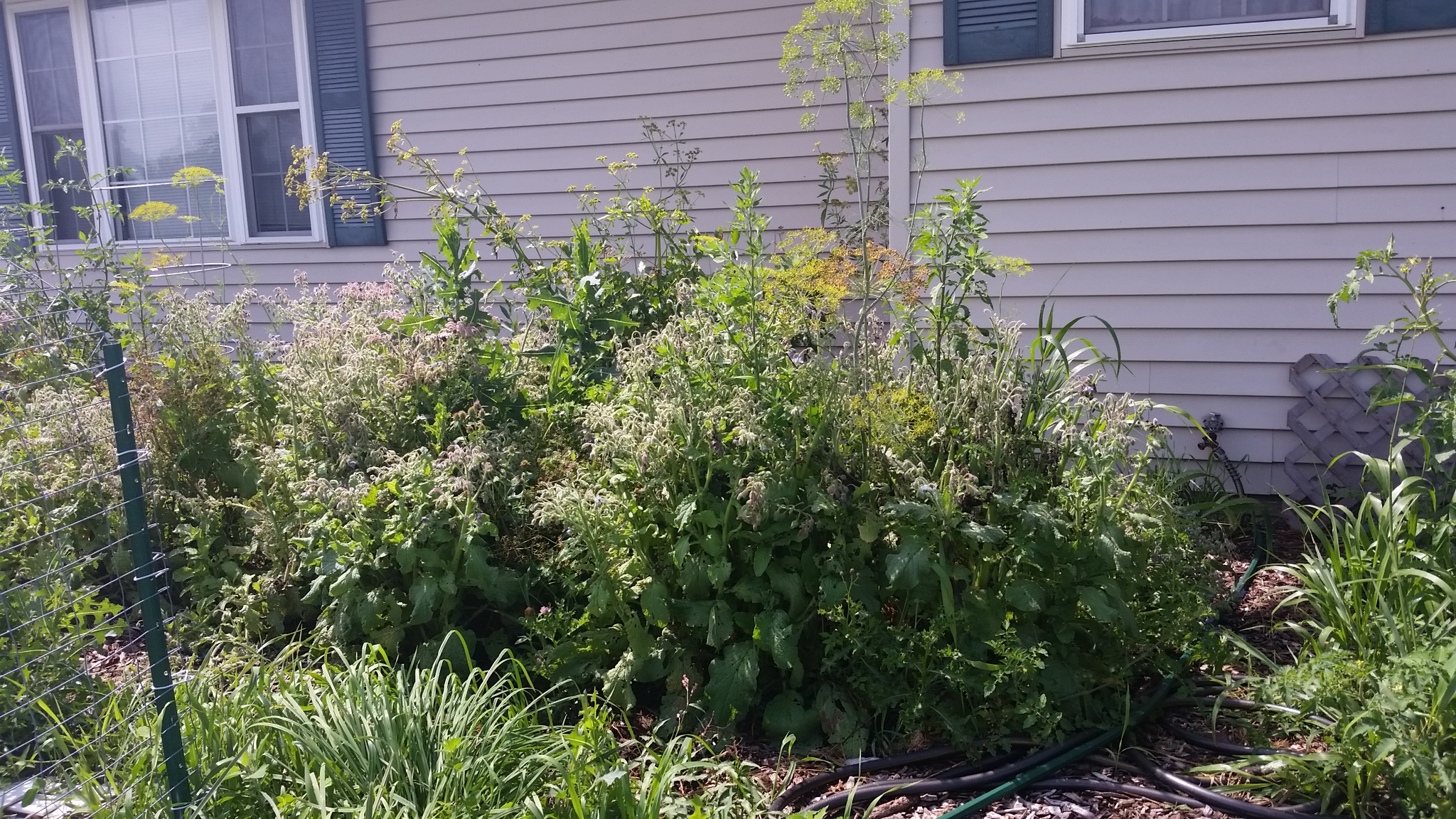
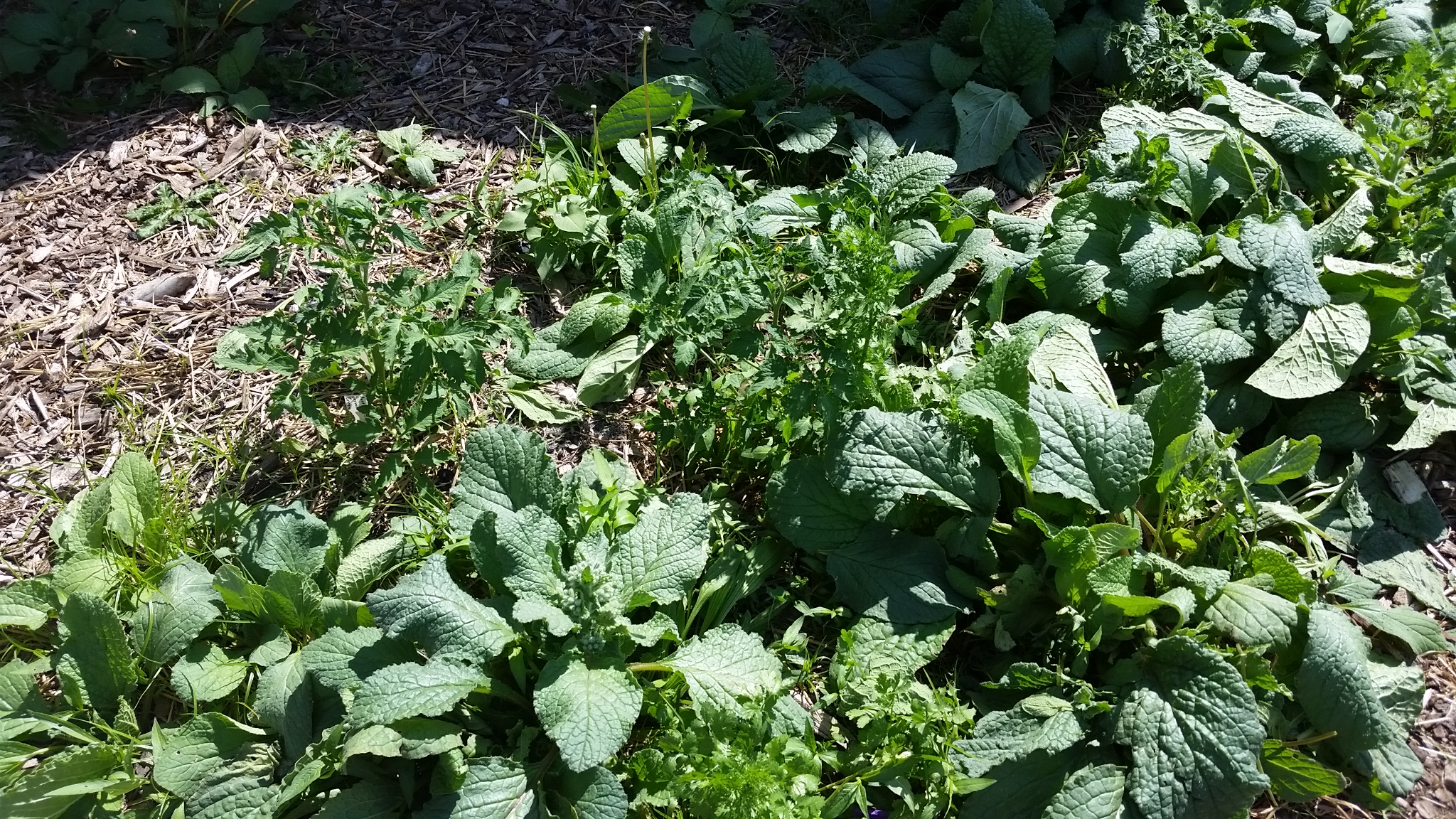
I let the lamb’s quarters, dill and borage get away from me, so each time I go out to check for eggs I cut some of it and feed it to the chickens.

wp-1468425413480.jpg

I didn’t pay attention to the peppers so they are still pretty much the same size as seedlings, with tiny buds and one little jalapeno.

wp-1468425413468.jpg

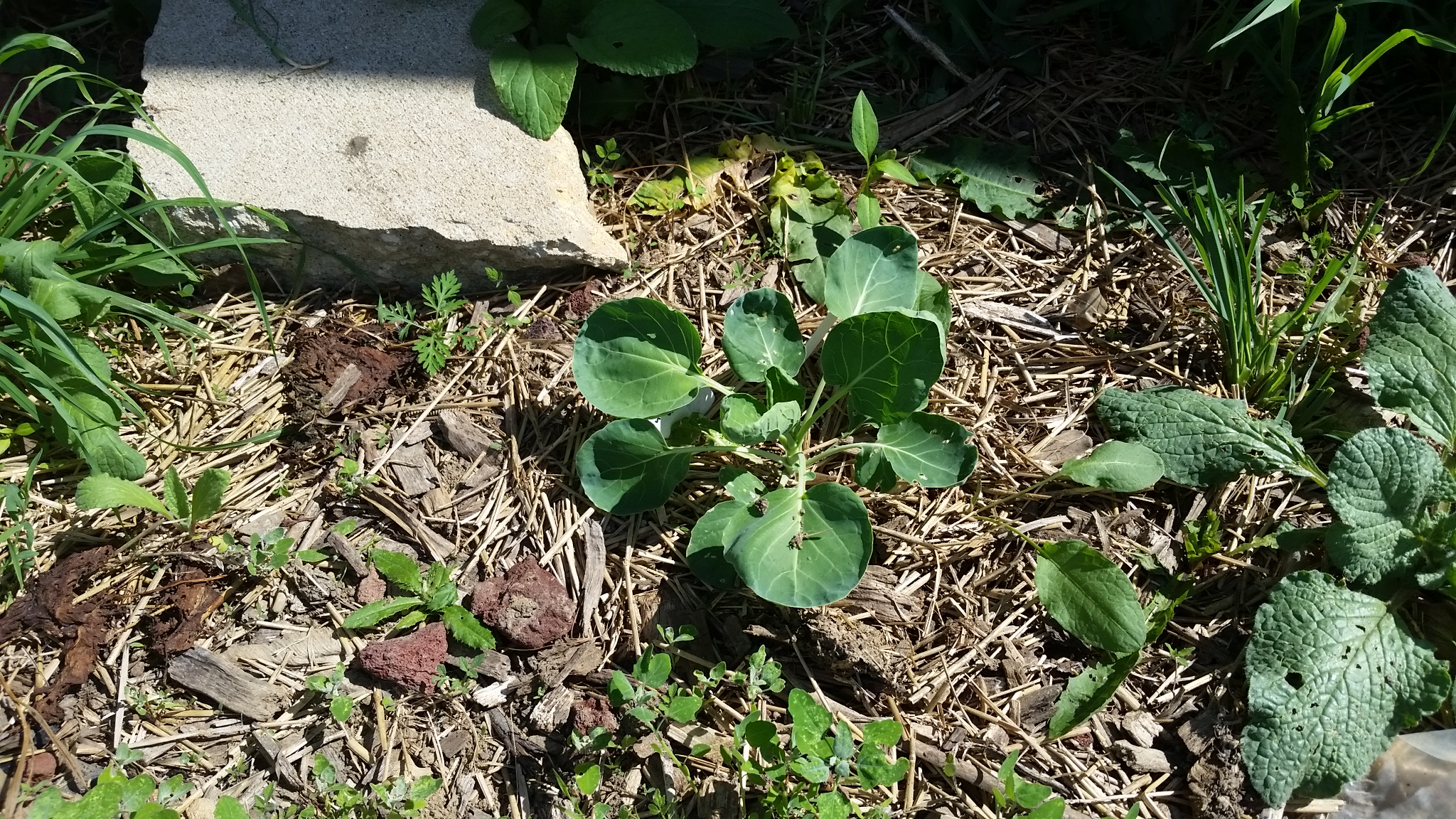
We’ll get a few tomatoes, some more carrots and maybe brussels sprouts and squash, but our harvest this year will not be as great as in the past.

But, I’m very happy with perennials.

The cherries, despite the beetles, have ripened.

There are more blackberries in the fedge and grapes in the vineyard than ever before.

The aronia and seaberries are spreading and new plants are popping up all over, propagating themselves with no effort on our part.

The wait is over. Our perennials are finally catching up, which softens the blow of the failed kitchen garden.

The hedge and the vineyard abound
Fruits on vines twine all around
Blackberries and grapes
Vines knot and escape
Some tangle and lay on the ground

The Experiment

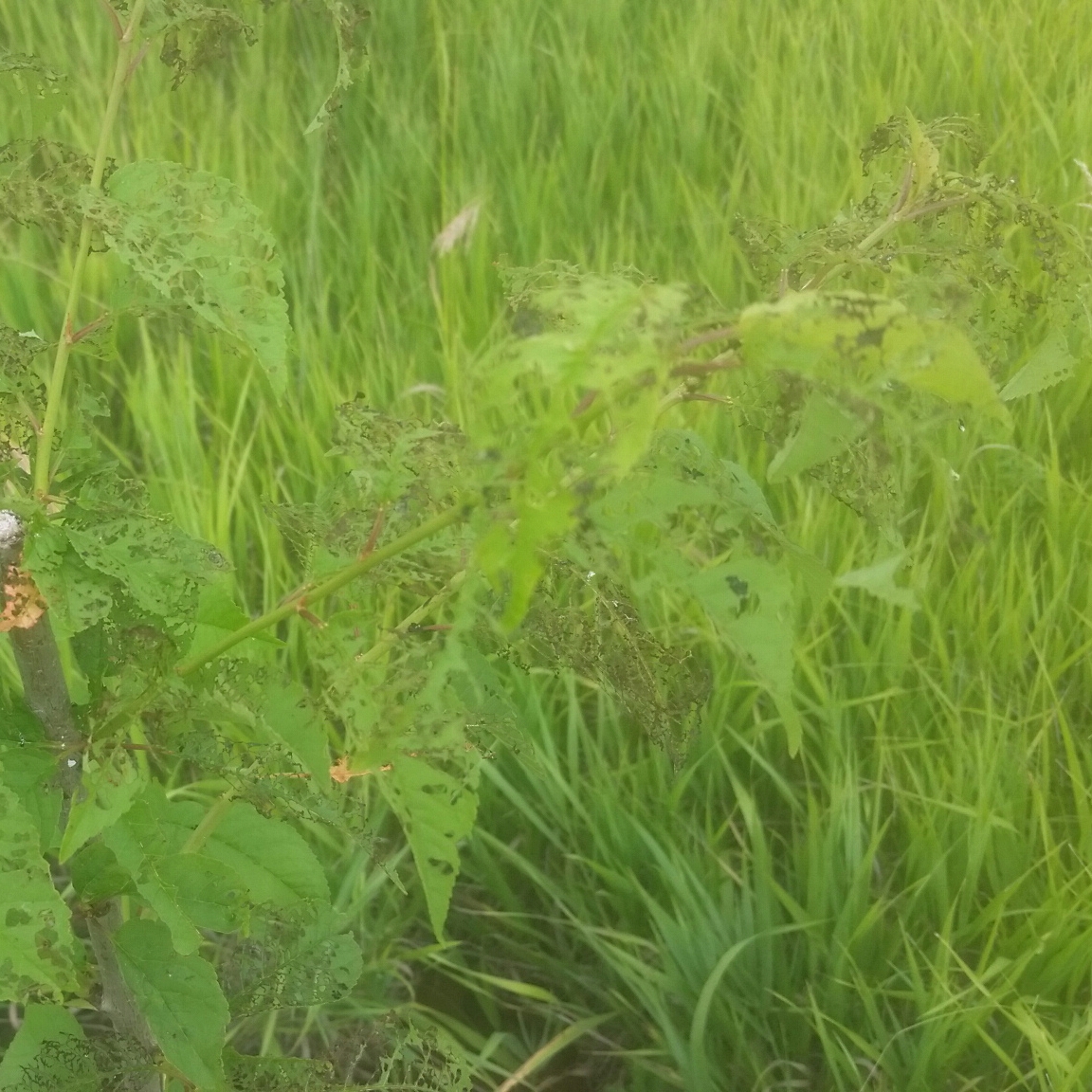
I’ve noticed that when the Japanese Beetle traps are full, the lure is still working and drawing beetles in. Having no place to go they turn to our plants, which then become covered with even more tiny crawling, shiny, black  bug bodies than usual.

When we empty them, there are fewer beetles on our plants and more in the traps. So when we are gone all day and don’t empty the traps until evening, the damage done to our trees and vines is much worse. Leaves are laced and fruit is chomped.

I empty the traps at least twice a day, filling two 5 gallon buckets and each time the creepers are crawling at the top and out of them, flying off to find other tasty food.

wp-1467746469745.jpg

Hmmm.

What if the traps draw in more beetles than are already present on our land?

What if the placement of each trap draws from outside our property?

What if, in trying to rid them from our homestead, we’re drawing in more from neighbors or the corn fields around us?

This weekend, we are experimenting to test our hypothesis. I’ve taken pictures of some of the plants the beetles attack the most.

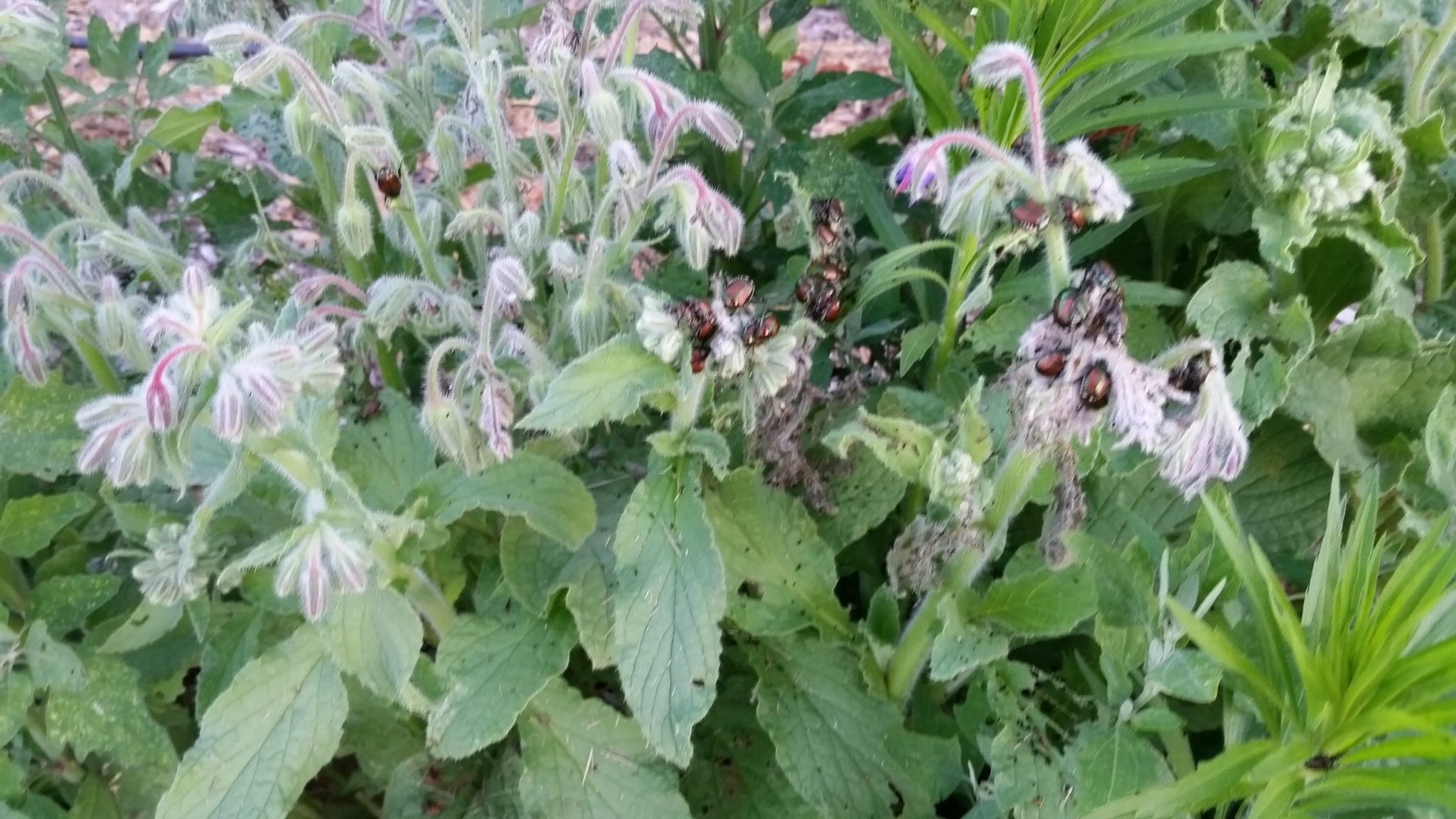
The borage, which peppers the kitchen garden, is one of their favorites.
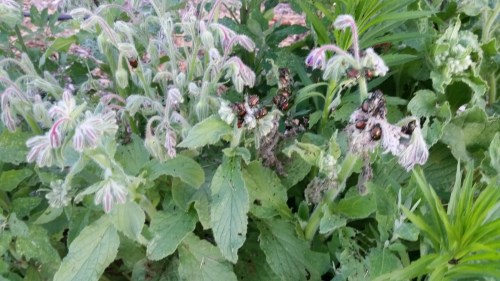
wp-1467901562825.jpg

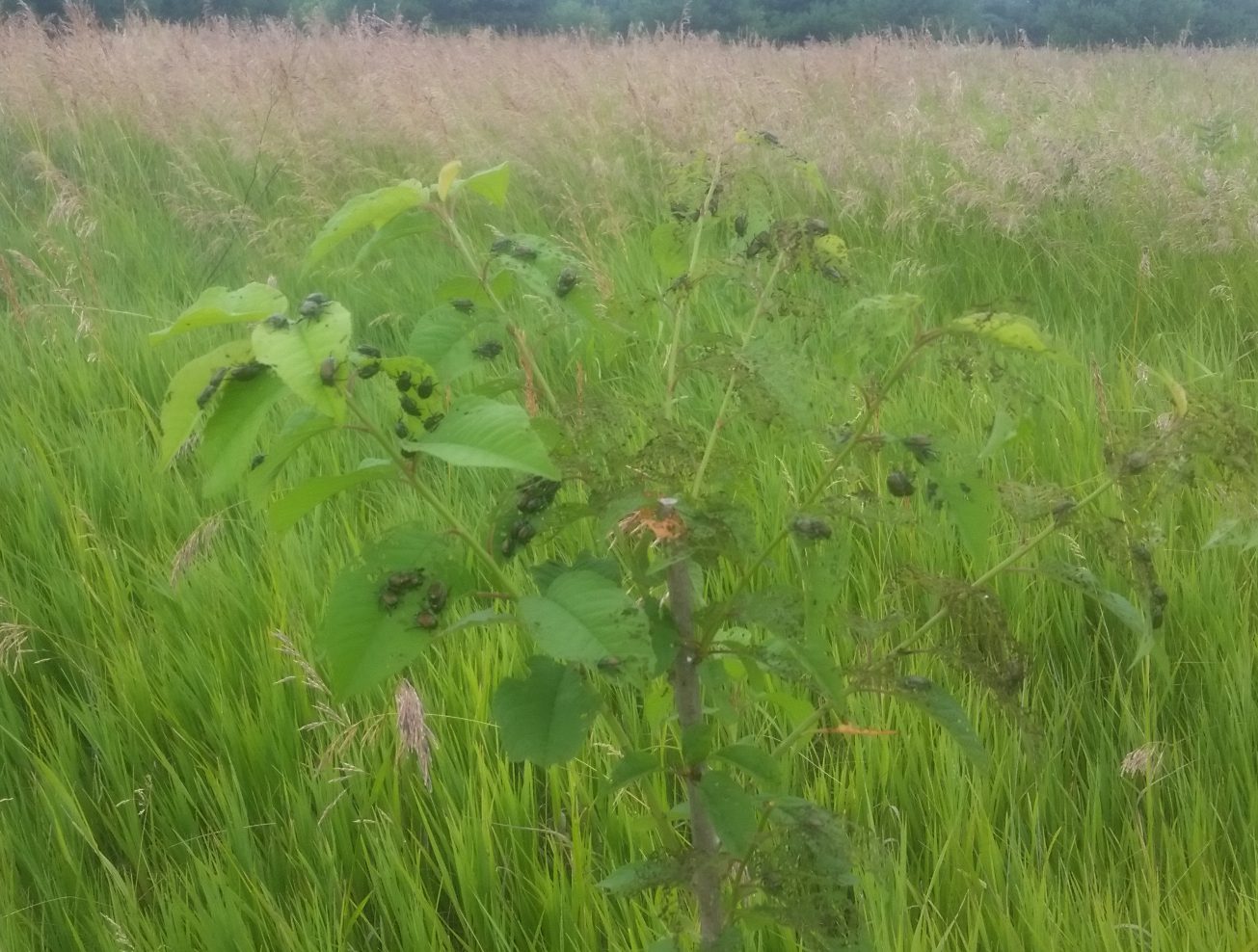
Since they start at the top and work their way down, the vineyard is especially vulnerable…they particularly enjoy the kiwi leaves.

wp-1467903433026.jpg

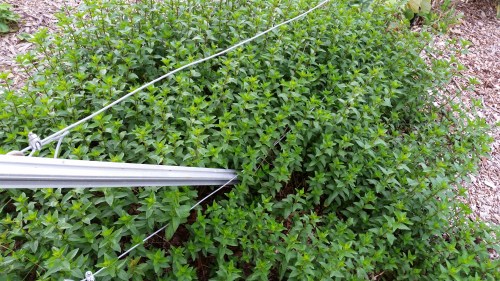
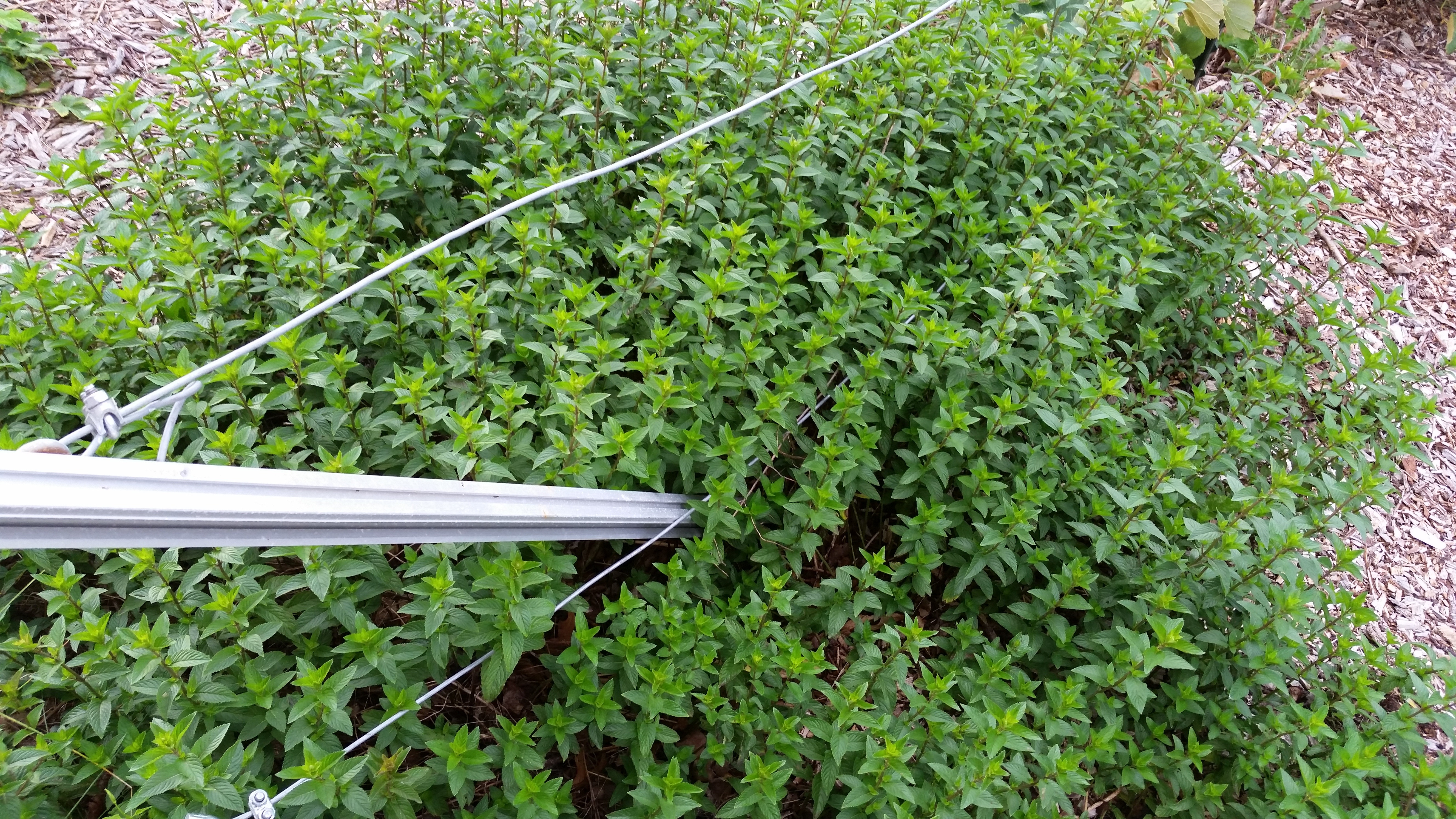
Yet the leafy mint they leave alone.

wp-1467903433025.jpg

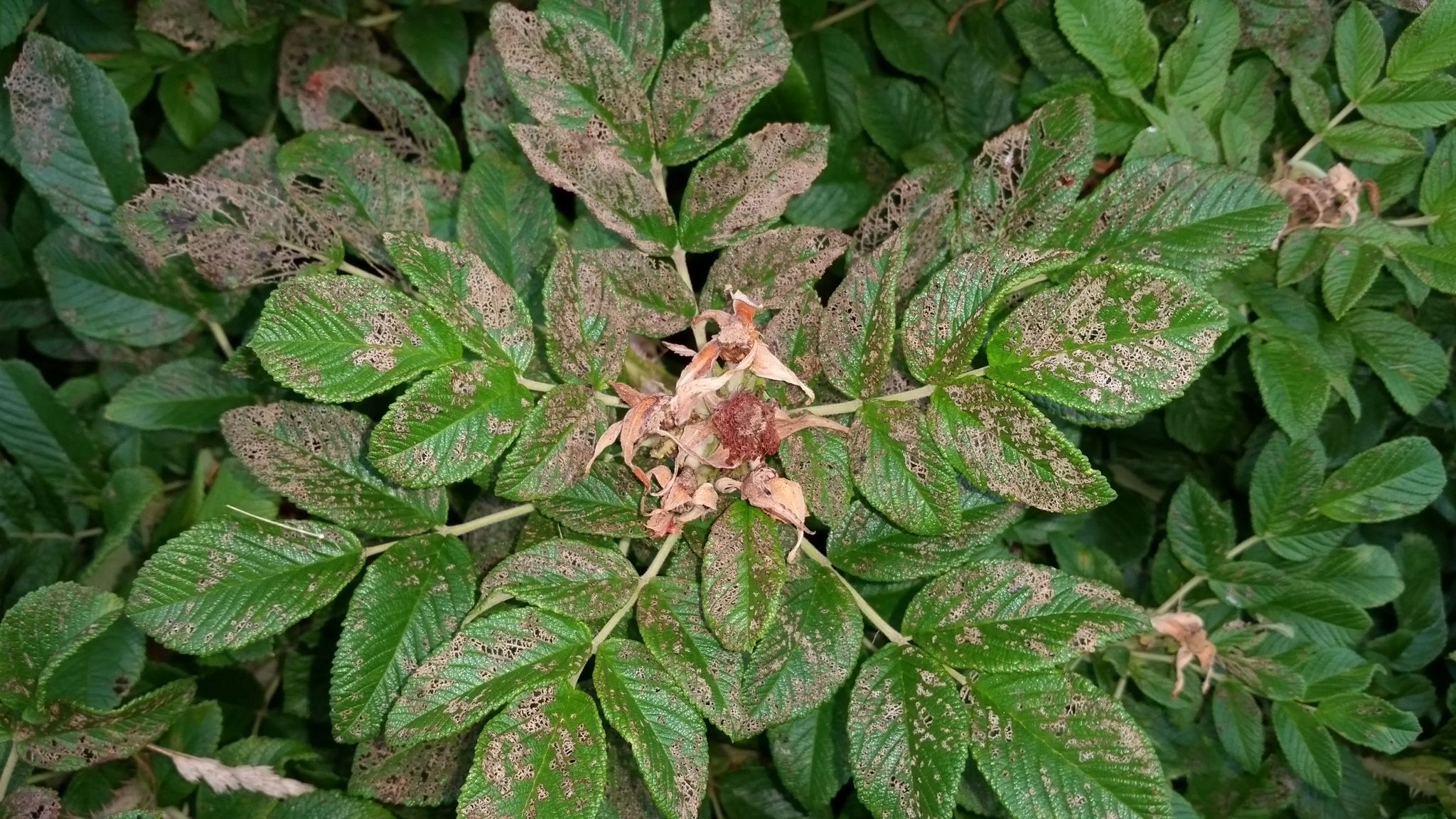
The rose bushes, which have a similar scent to the lure, are one of their favorites. They munch on leaf and flower and bud.
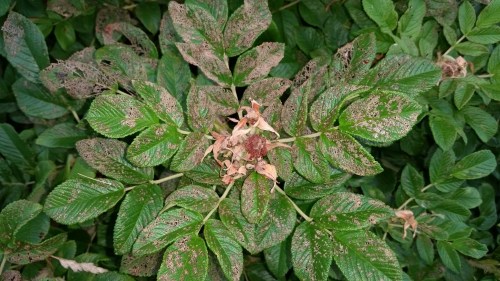
wp-1467903433030.jpg

So…we are conducting an experiment. I’ve already removed the traps and lures and when I went out this morning…there weren’t as many beetles on the plants.

wp-1467901604557.jpg

True, it is overcast and rainy which seems to deter them a bit, but I’m hopeful that there will be fewer even on sunny, hot days once I remove the traps.

In researching and in asking Bill Wilson of Midwest Permaculture, I’ve read that super healthy plants create a natural insect repellant because they have all of their nutritional needs met…and that starts with soil.

So…the beetles prey on the weak just like any other predator.

Nutrient rich soil=rockstar plants and trees that fight off pests. It’s survival of the fittest…may the strongest plants win.

We already have healthier soil since we’ve moved in and started planting and fertilizing. We are now going step up our efforts to ensure that we have good, healthy soil so we can have good, healthy plants.

Maybe, we’ll be able to manage them and at least keep them from eating all of the leaves on the trees, vines, shrubs and grapes.

Maybe, it won’t be as bad next year if we bump up the effort to make our soil even healthier than we’ve already made it.

Maybe.

Healthy plants and soil
Defense against all evil
We’ll fight those beetles

Todays…bounty?

No breeze or wind today
The sun is bright and hot
I went outside to play
To pick and pull a lot

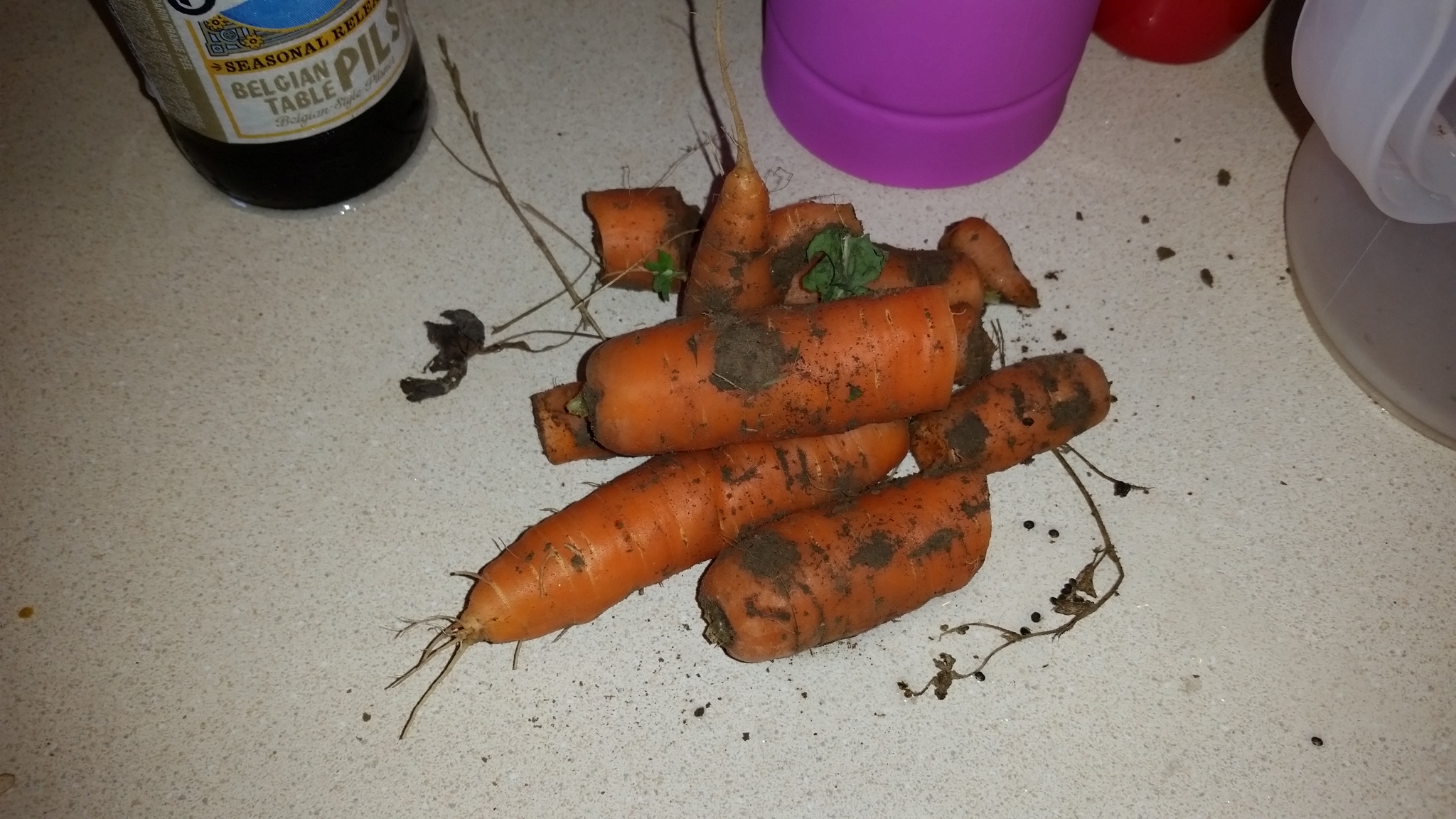
We’ve carrots, just a few
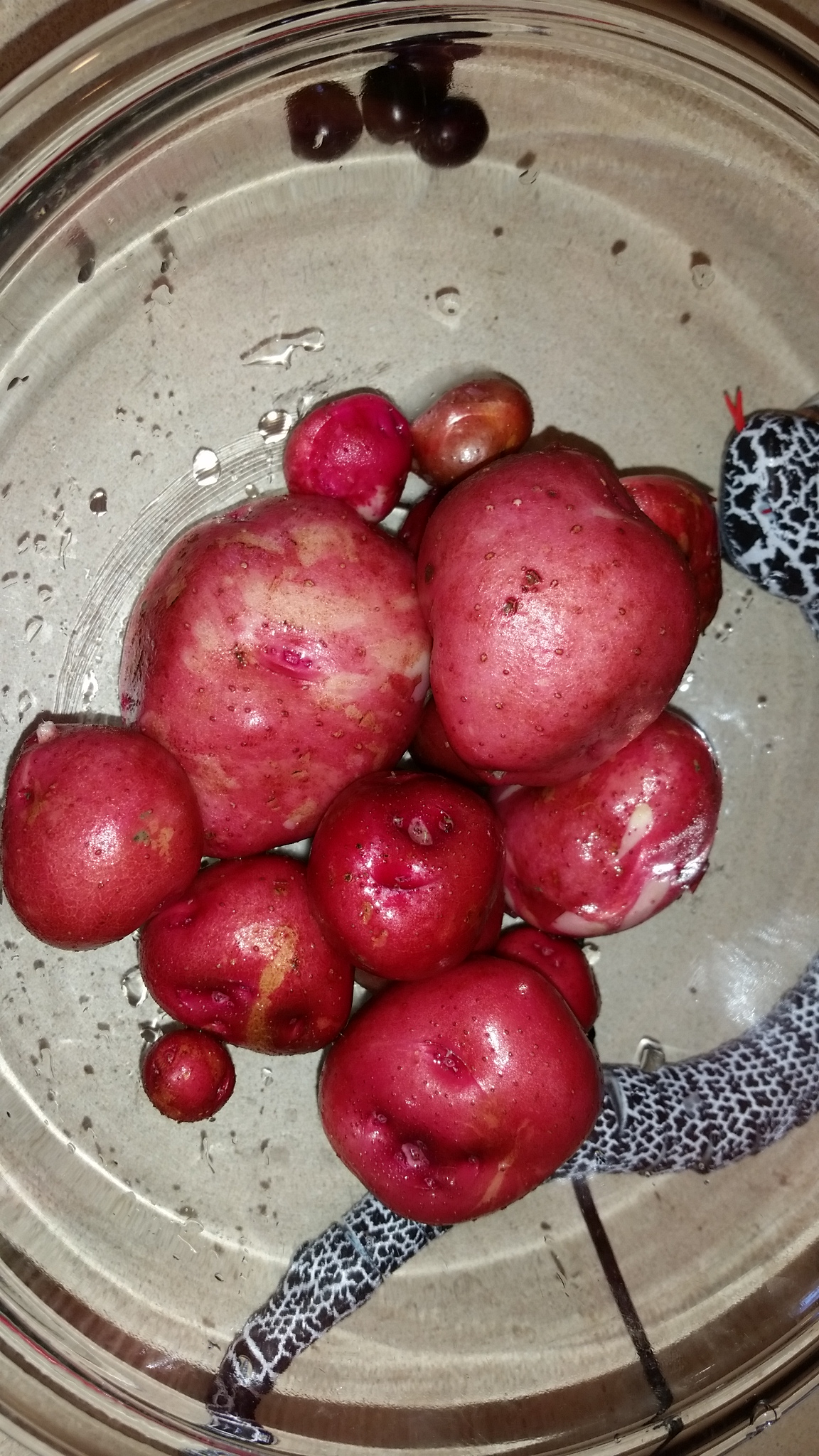
Potatoes, a whole bowl
We’ve ripe tomatoes too
And cherries ripe and whole

A bucket full of outlaws
Disguised as little bugs
I don’t drown them without cause
They’re tiny shiny thugs

I didn’t find the riches
I have in seasons past
We’ve had too many glitches
And time has gone so fast

Maybe when we plant in fall
We will have more to show
For now our bounty will be small
But at least our veggies grow

wp-1467746469745.jpg

I emptied four very full traps and picked a small container of these beetles.

wp-1467746469739.jpg

Unfortunately, the shiny villains like fruit as well as leaves. There were more cherries but they’d been destroyed by the beetles.

wp-1467746469748.jpg

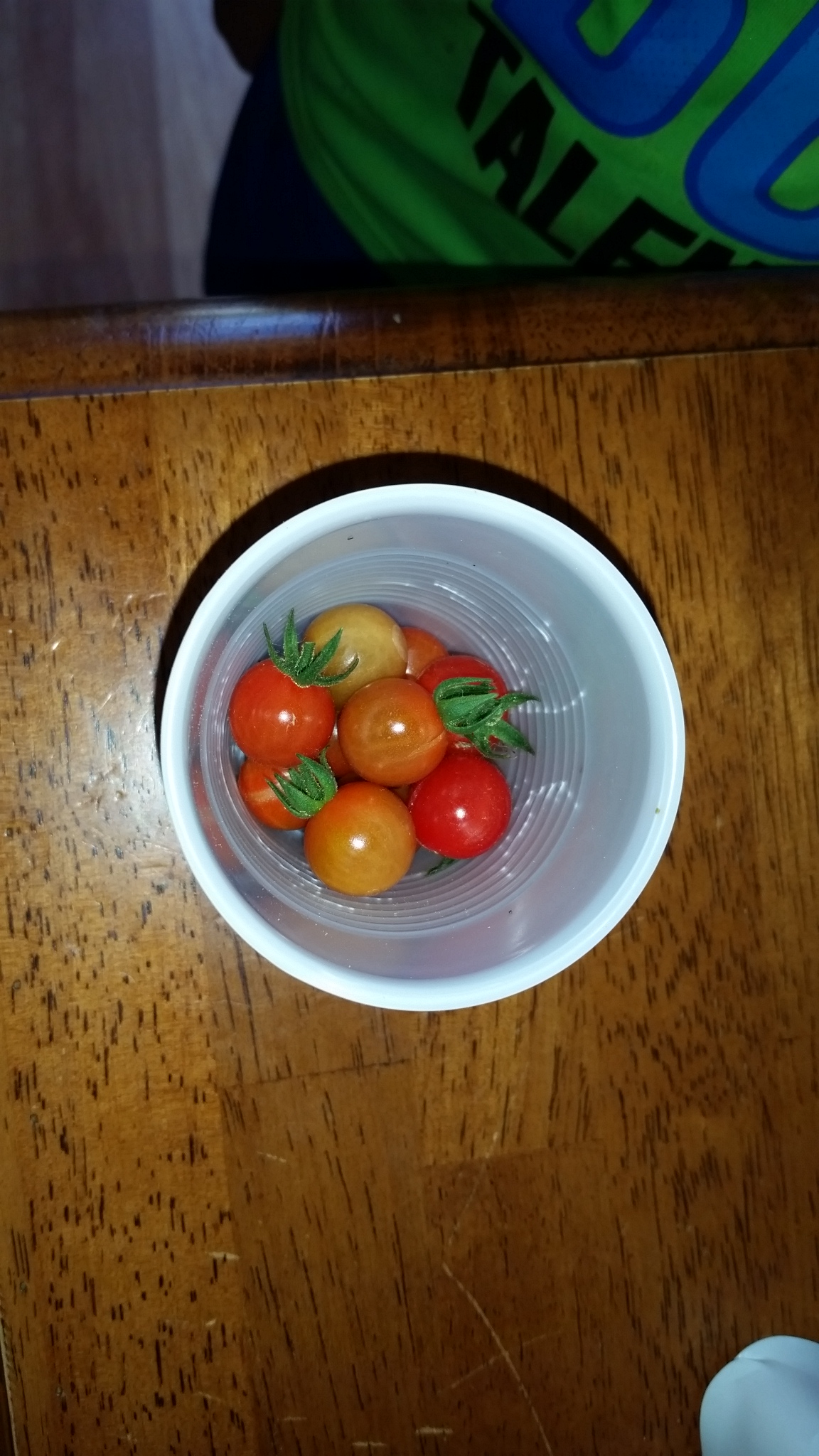
Not too many cherry tomatoes…Joe thought the orange and yellow ones were ready too.

wp-1467746469743.jpg

Our fingerling carrots are bursting out of the ground.

wp-1467746469755.jpg

The most rewarding find today were the potatoes. We’re having fried ‘taters and eggs for dinner tonight.

Alarm! Alarm!

My bug hunters are on a mission. Find, pick, squish and drown the Japanese Beetles attacking our trees, grapes and kiwi and feed them to the chickens.

Joe came running in the house this morning to report the emergency.

“Alarm! Alarm! Alarm! Alarm! Japanese Beetles in the vineyard.”

Quick to react, we made the poisonous potion and set out on our morning hunt.

20160623_084315.jpg

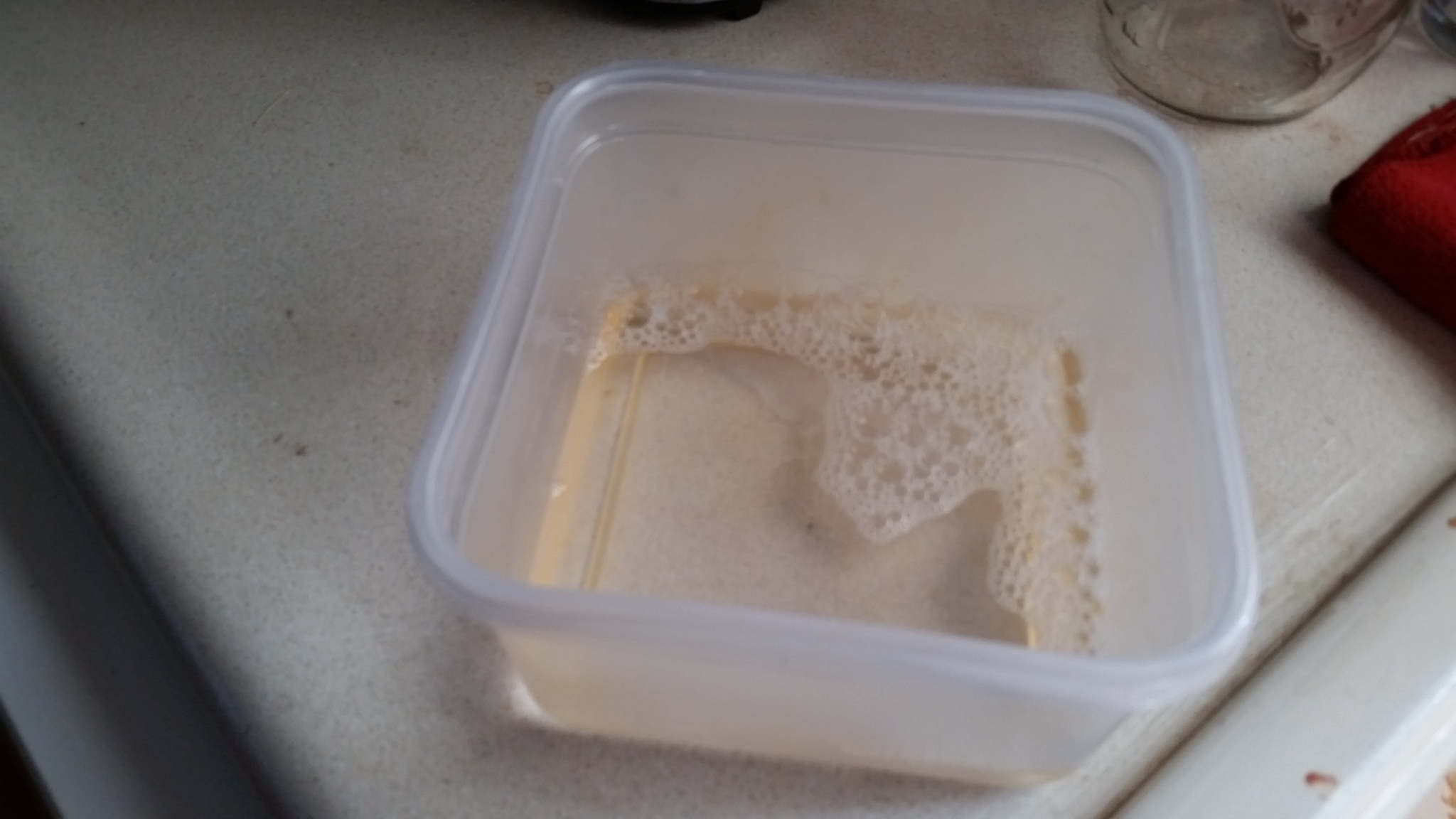
Japanese Beetle Poison: Water with dishwashing liquid.

Before the big rain, I saw a few of these evil beetles here and there. I picked them off and fed them to the chickens.
I breathed a sigh of relief; there really weren’t that many.

Maybe this year wouldn’t be as bad as last.

Maybe they’d attack the weeds and grasses in the prairie rather than our fedge, new trees and vineyard.

Maybe we would be able to control and eradicate them easily.

Oh how wrong I was.

They are everywhere. They attack the trees.

20160623_093011.jpg

They swarm over the aronia in the fedge. 

20160620_153413.jpg

The damage they do in such a short time is devastating. Leaves barely remain, reduced to a wispy skeleton.

20160623_093059-1.jpg

So, every morning we walk through all of our gardens picking them off the plants and drowning them in soapy water.

20160623_092105.jpg

Every afternoon we rally the troops again and head out for a second sweep.

Some soldiers are more helpful than others.

20160623_085234-1.jpg

And then every evening we make the rounds one last time.

It’s not hard work. In fact, it is very satisfying to shake these villains into the poison or squish them with a crunch.

The chickens are sick of them. They turn up their beaks and waddle away in a huff.

20160622_185025.jpg

So…since the chickens aren’t interested anymore, we’ve found a new solution to the disposal problem.

20160623_093419.jpg

Here froggy, froggy
Come up from the deep
Here fishy, fishy
I’ve brought you a treat

Crunchy, yummy beetles
Come and get them now
Crispy little critters
Sweet and tasty chow

Chores

Even though I stagger the seeds and starts, getting everything in the garden seems like a rush of activity. My schedule is full of “plant this today, plant that tomorrow, prune the tomatoes, cut back the lettuce” and on and on.

It’s hectic and exhilarating.

Then, once it’s all in the ground, the waiting starts.

In between obsessively checking for green sprouts and flowery buds, we have our daily chores.

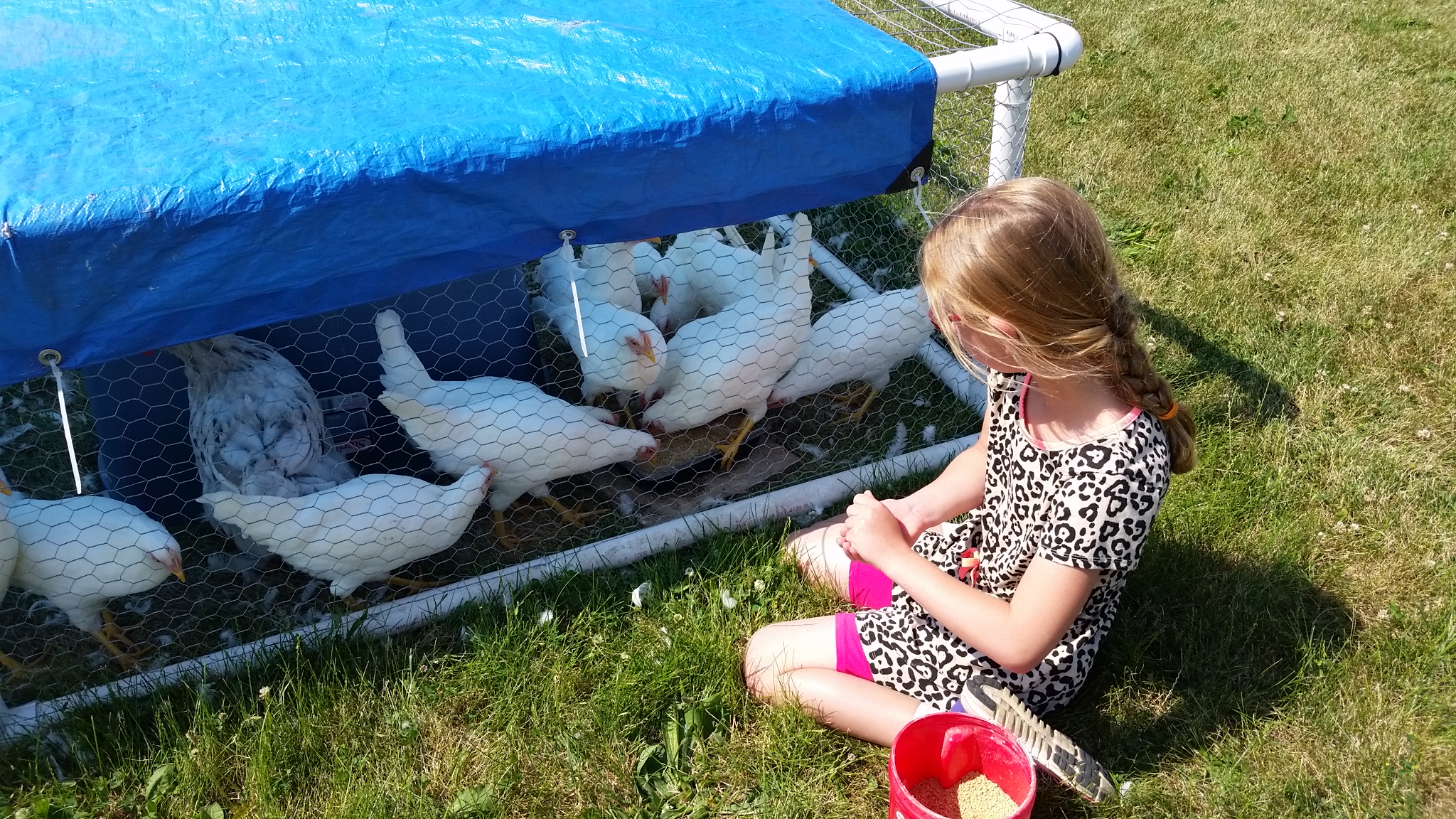
First thing we do every morning after breakfast is check on the little chickens. We make sure their food dish is full and they have plenty of water.

20160613_101225.jpg

20160613_100544.jpg

Next, we head out to check for eggs and bring fresh water to our old gals. They’ve been a bit subdued since losing two from the flock so I’ve been bringing them treats to try and cheer them.

They loved the frozen bananas and seem to enjoy having iced water.

20160613_101956.jpg

We walk around checking on the trees, making sure the weeds are pulled back and they have plenty of water.

20160530_101325.jpg

Then it’s time to go on Japanese Beetle patrol.

We’ve found troops of them attacking the aronia leaves and a few lone soldiers have gone after the grapes.

20160620_153413.jpg

Armed with bug gun and a dish of soapy water, our resident bug hunter is on the case. He pulls them off the leaves and either squishes them or plops them in the water as treats for the depressed chickens.

20160620_152847.jpg

We check for eggs one more time before the afternoon is out and then stroll through the garden looking for those green sprouts, yellow buds and first signs of fruit.

20160611_151610.jpg

Then, we get up the next day and start all over again. It may sound monotonous, but every day brings something new and exciting.

One day the blackberries are pink, only to be black and sweet the next.

20160620_153317.jpg

One day the broccoli flower is tiny, only to be big and sweet the next.

20160611_151705.jpg

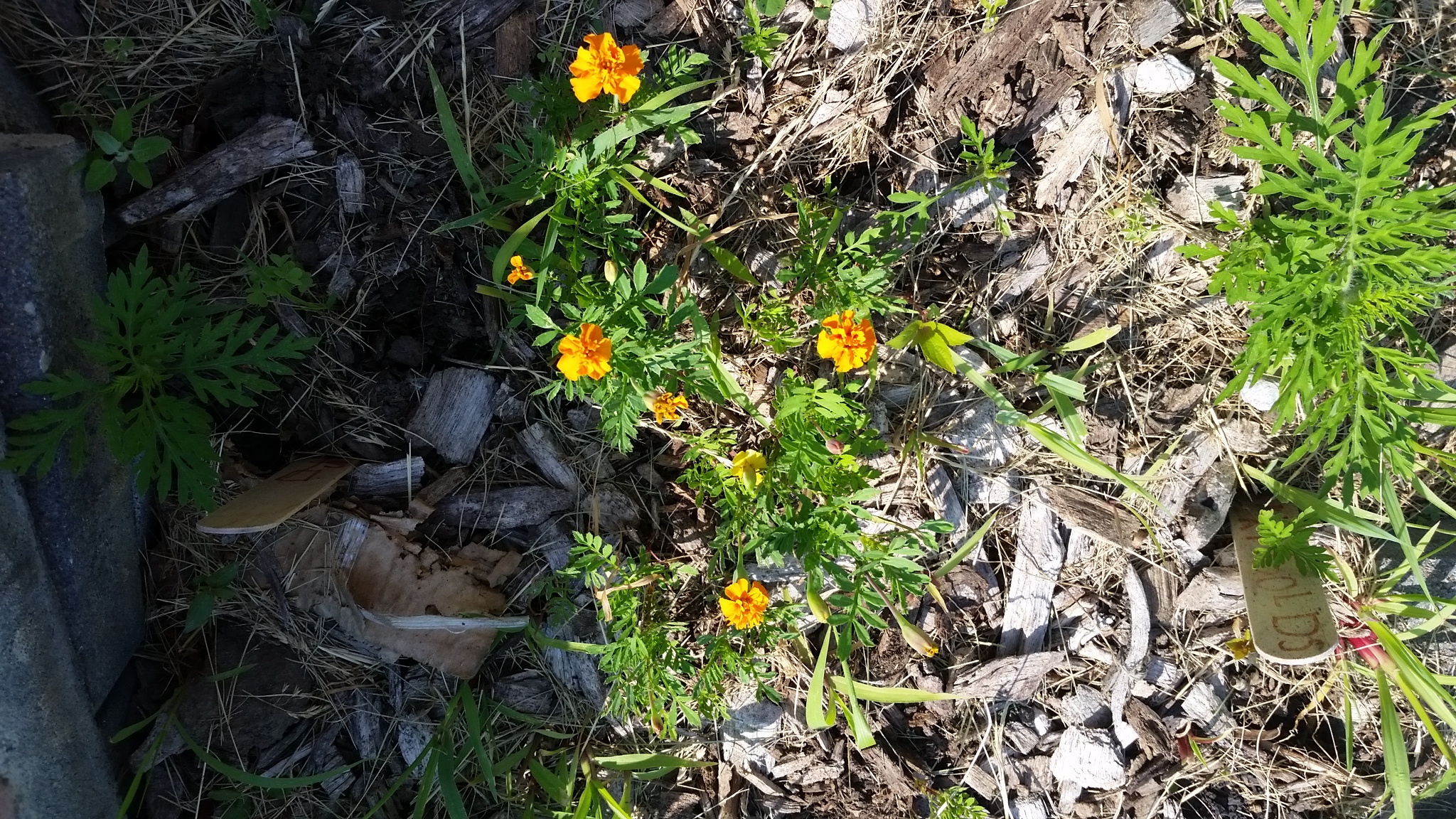
One day the marigolds have tiny green buds, only to have orange and yellow flowers the next.

20160611_104019.jpg

There are a new surprises every day.

Daily garden chores
Varying shades of delight
Always something new

Gradually Growing…Suddenly Surprising

We spent a week in the Smokies on our first family vacation. I was a little nervous about being gone that long.

Would all my little plant babies be ok for that long?

Would our newly planted trees shrivel and die?

Would Pecky Greenleg and the rest of our new chickens miss me?

When we left, the vineyard was just starting to get wild.

The grasses in the pasture and the swales were just starting to get tall.

The fedge and kitchen garden were just starting to boom and bloom.

One week.

That’s how long we were gone.

Now the vineyard is…wild.

20160529_163124.jpg

Hops gone wild

20160529_163308.jpg

Close-up of the grapes

Now grasses in the pasture and swales are…tall.

20160529_090405.jpg

Swales

20160529_154507.jpg

Jerusalem Artichokes

Now the fedge and kitchen garden are…booming.

20160529_091109.jpg

Borage and tomato row

20160529_154214.jpg

Burgundy Amaranth in the herb spiral

20160529_154240.jpg

Borage and tomatoes

20160529_154429.jpg

Cabbage and broccoli patch

20160529_154414.jpg

Brussels sprouts

We weren’t there to witness this burst of growth. And, even if we’d been there, we wouldn’t have noticed such a big change right away.

Growth is gradual. So slow that you barely notice it…until the day you do.

That’s the day you realize that the garden you’ve tended so diligently and with such care has grown into something beautiful…and you almost missed it.

You plant the seeds
You pull the weeds
You watch and tend with care

Until one day
You see that they
Have grown without you there


Phew!

I admit it. I was starting to get worried about the trees.

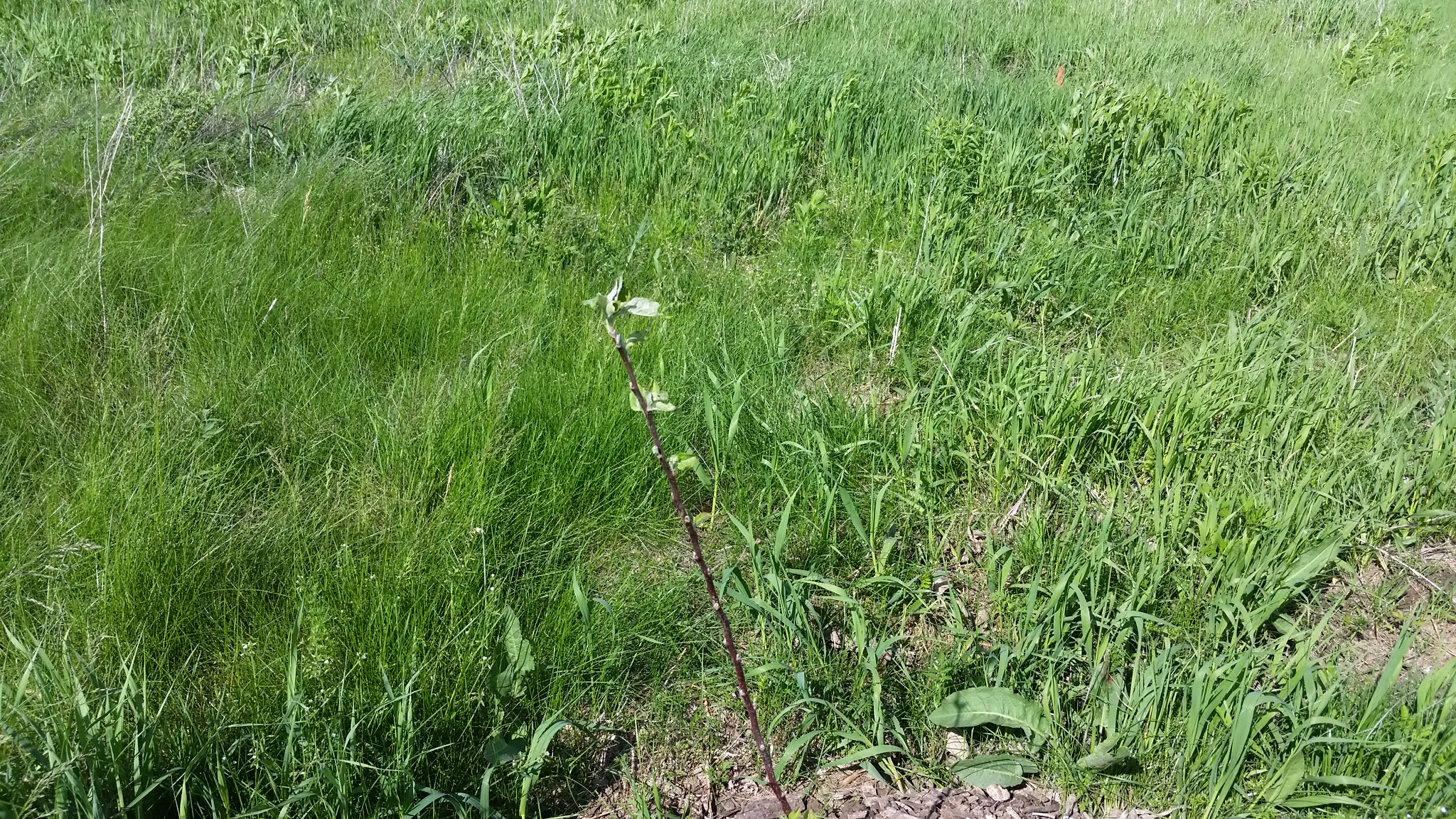
We planted more than 70 trees by the time it was all said and done and only the cherry trees were showing signs of life.

20160424_134453.jpg

The rest looked like dead branches sticking up out of the ground.

Nothing from the persimmons.

No green buds from the apples.

Nada from the Paw Paws.

I wondered…did we do something wrong?

Did we dig the holes too deep?

Did we not spread the roots out enough?

I thought of that long Saturday when we planted so many trees and had so much hope for success.

I thought of all that research that went into the methods for planting each variety of tree.

I thought of the fun we had digging the holes, planting the trees and watering them in. The excitement of imagining what our pasture would look like in 2 years, 5 years, 30 years…the same excitement we felt when we put the swales in.

I thought about all these things…and I let the anxiety and worry go.

I realized that, while we put a lot of work into this project, we also learned quite a bit. None of that time and effort was wasted.

I remembered that we willingly took a risk in planting these trees, knowing that they may not, probably would not, all make it.

And suddenly, even though I still felt sad and disappointed, I realized that we did get something out of the experience…we got the experience.

And today, while the boys played, I took a walk around and found that the cherry trees weren’t the only survivors. Almost all the other varieties had started to leaf.

I just had to let the worry and anxiety go to see them.

Apple

Apple

20160512_161318.jpg

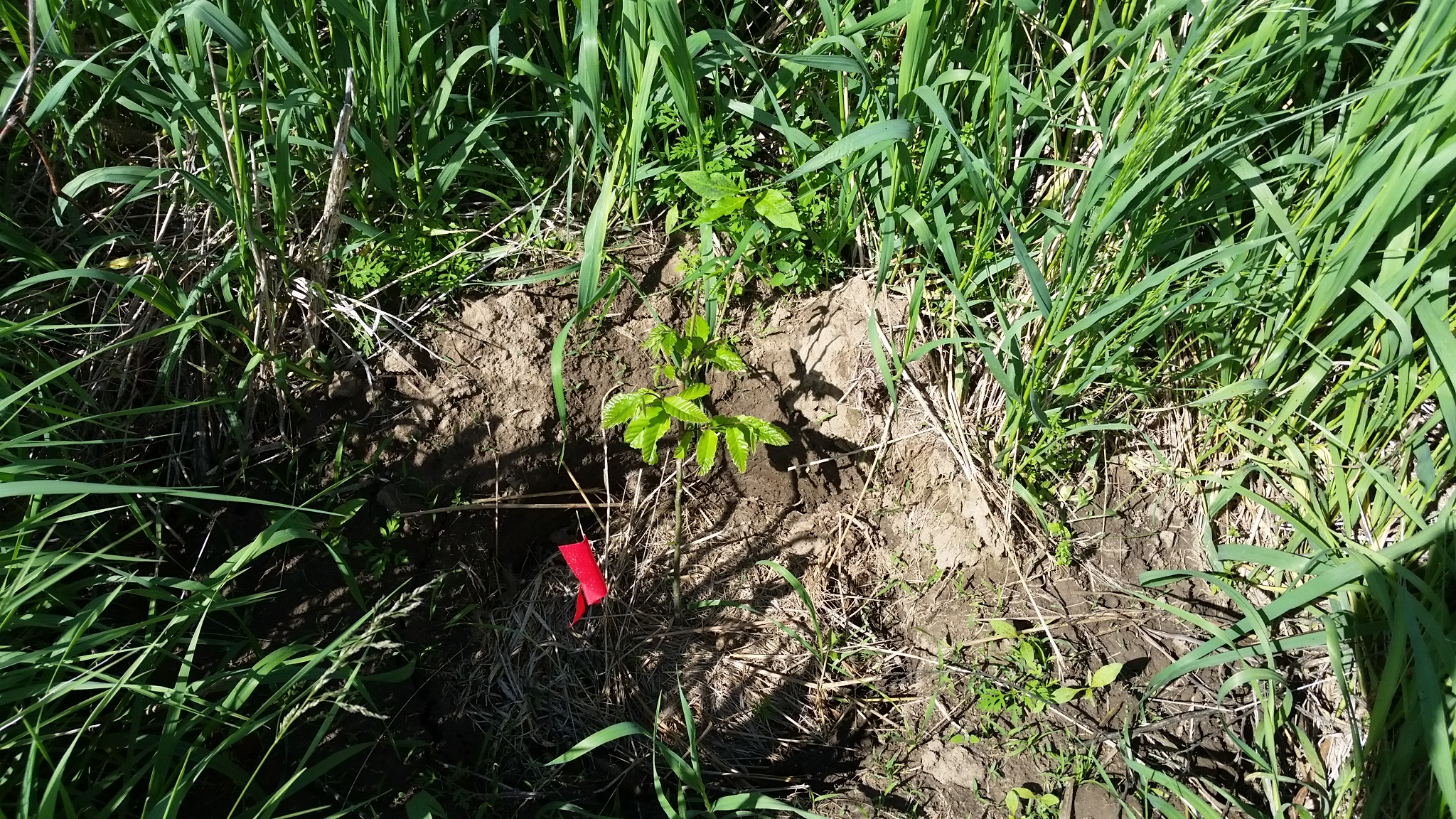
An oak we found hidden between two fruit trees.

20160512_161245.jpg

Persimmon

20160512_161202.jpg

Paw Paw

I worried and I wondered
I gnashed my teeth and cried
All that work and effort
All those things we tried

Then I took a stroll
I wandered through the grass
I saw the bright green leaves
The trees had grown at last!

Weeds

Prickly, pokey thistles
Charlie creeps and chokes
Ragweed causes sneezing
Greenbrier twines and pokes

Yes, some weeds are a problem
They enter and invade
But some of them are helpers
Supporting is their trade

There’s weeds that hold in water
And some make tasty food
Like dandelion wine
And greens served fresh or stewed

Most of them have taproots
Far deeper than it seems
The root pulls up the water
From fresh and hidden streams

Soil that’s rich and crumbly
All dandelions love
Attracting bees, controlling pests
The ones we’re so sick of

They hold on to the topsoil
It will not blow away
They mine for all the minerals
To help them grow and stay

Don’t be so quick to pull them
Don’t be so swift to harm
They may just be a helper
Your garden’s lucky charm

20160505_140115.jpg

The thistle. I yank it out by the root and burn it whenever I see it.

20160505_140008.jpg

Lambs Quarters – Good in salads. It also makes a great ground cover and keeps the moisture in.

20160505_141345.jpg

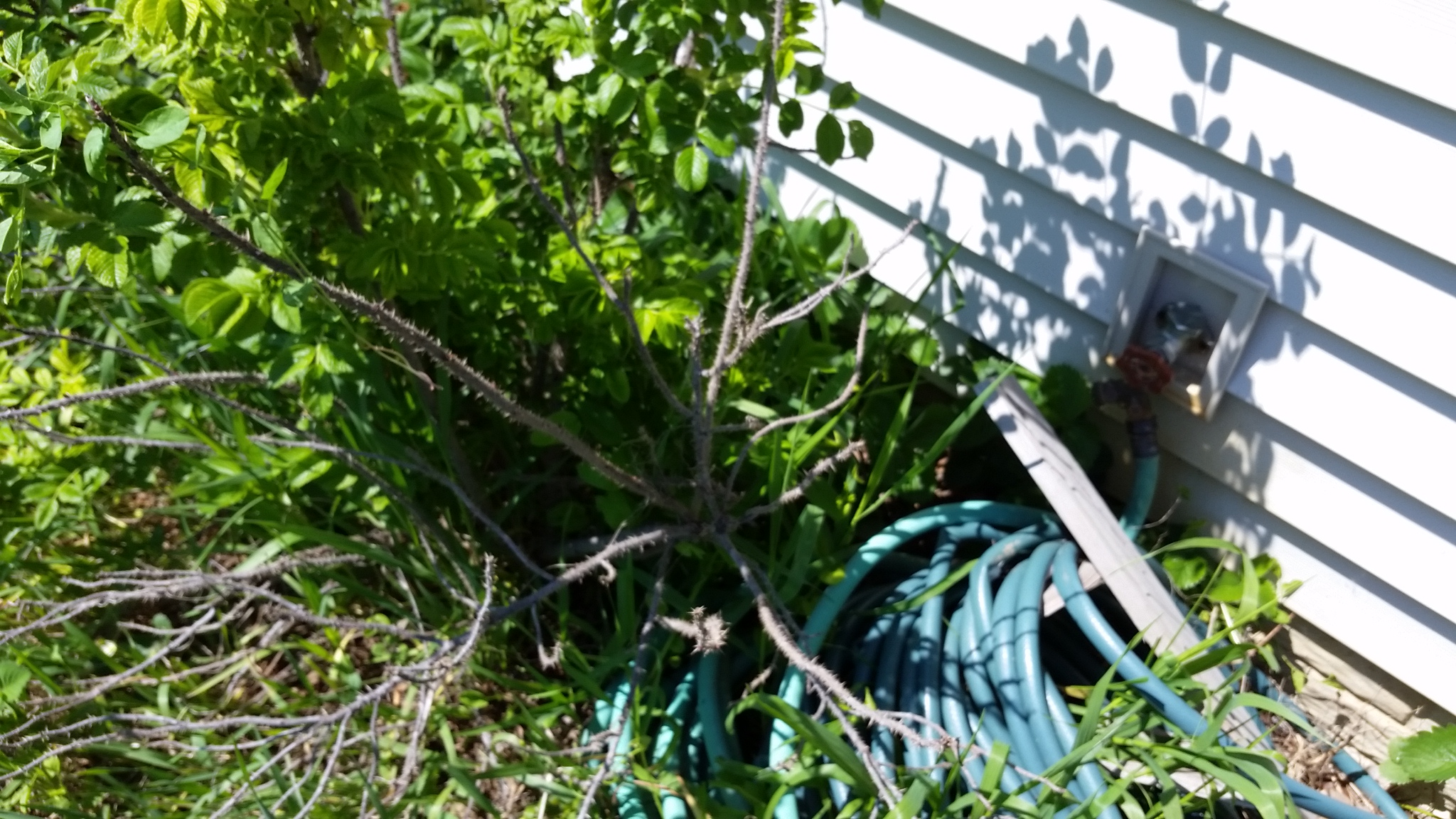
This is what creeping myrtle did to my rose bush. It’s a crazy vine and it is hard to see as it twines mercilessly around the plant.

20160505_141352.jpg

Evil vine.

20160505_140202.jpg

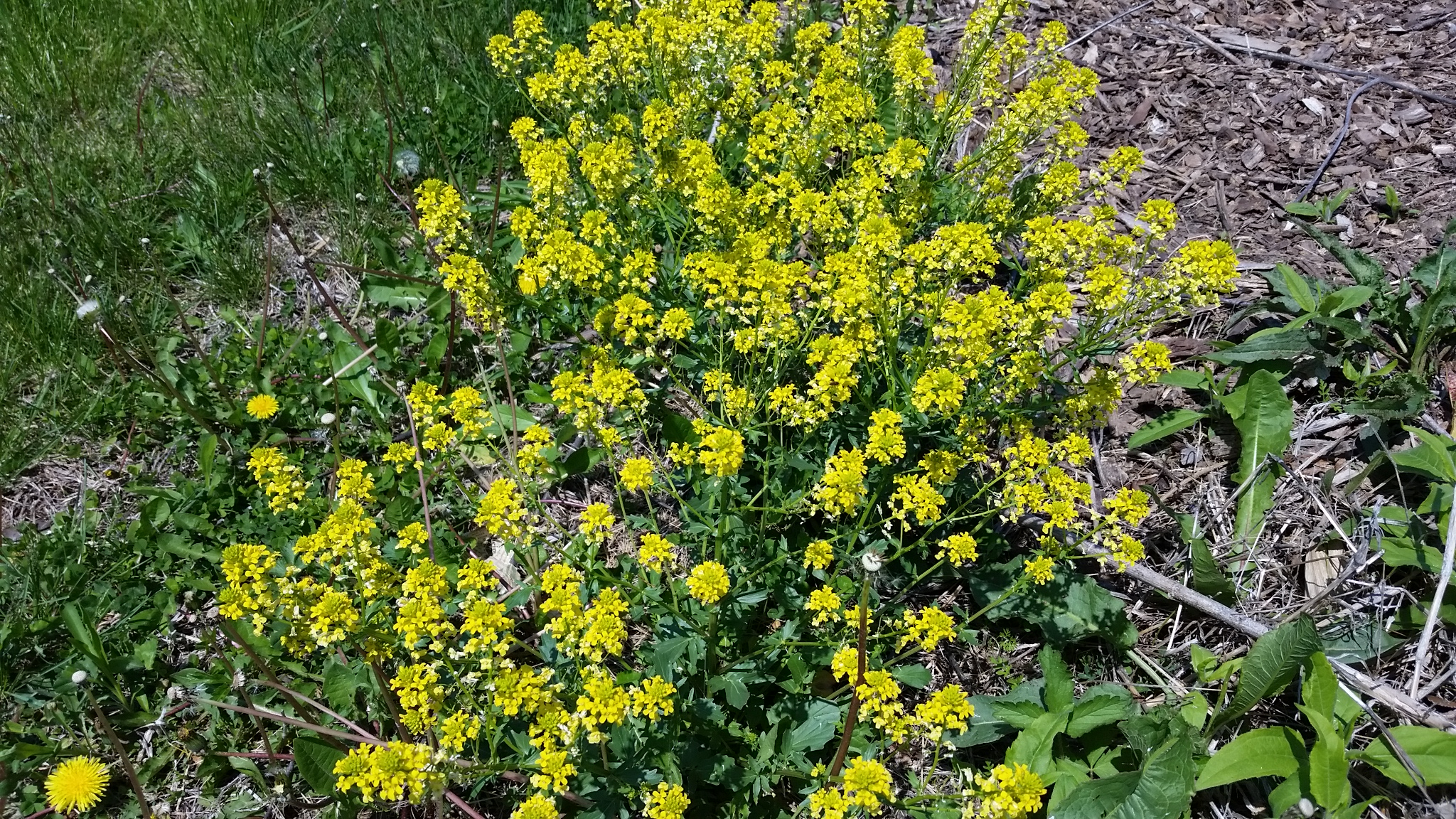
I’m not sure what this is, but it is in the mustard family and it is here and there in the swales. I love it.

20160505_141452.jpg

Gratuitous dandelion photo.

Runners and Suckers

Roots are an amazing part of the plant.

Their growth is hidden from us.

We see the plant grow and we know that the roots are doing their job underground.

The canopy of a tree is mirrored in the spread of its roots. A leafy wonder above ground and a gnarly tangle below.

But some roots simply don’t stay with their parent plant.

Some roots don’t know when to stop.

Some roots are so eager that they run rampant through the soil with seemingly endless energy. Every once and a while they pop up to see what’s going on above ground…and a new plant grows.

Then the roots on the new plant develop, get bored and off they go again.

20160424_155053-1.jpg

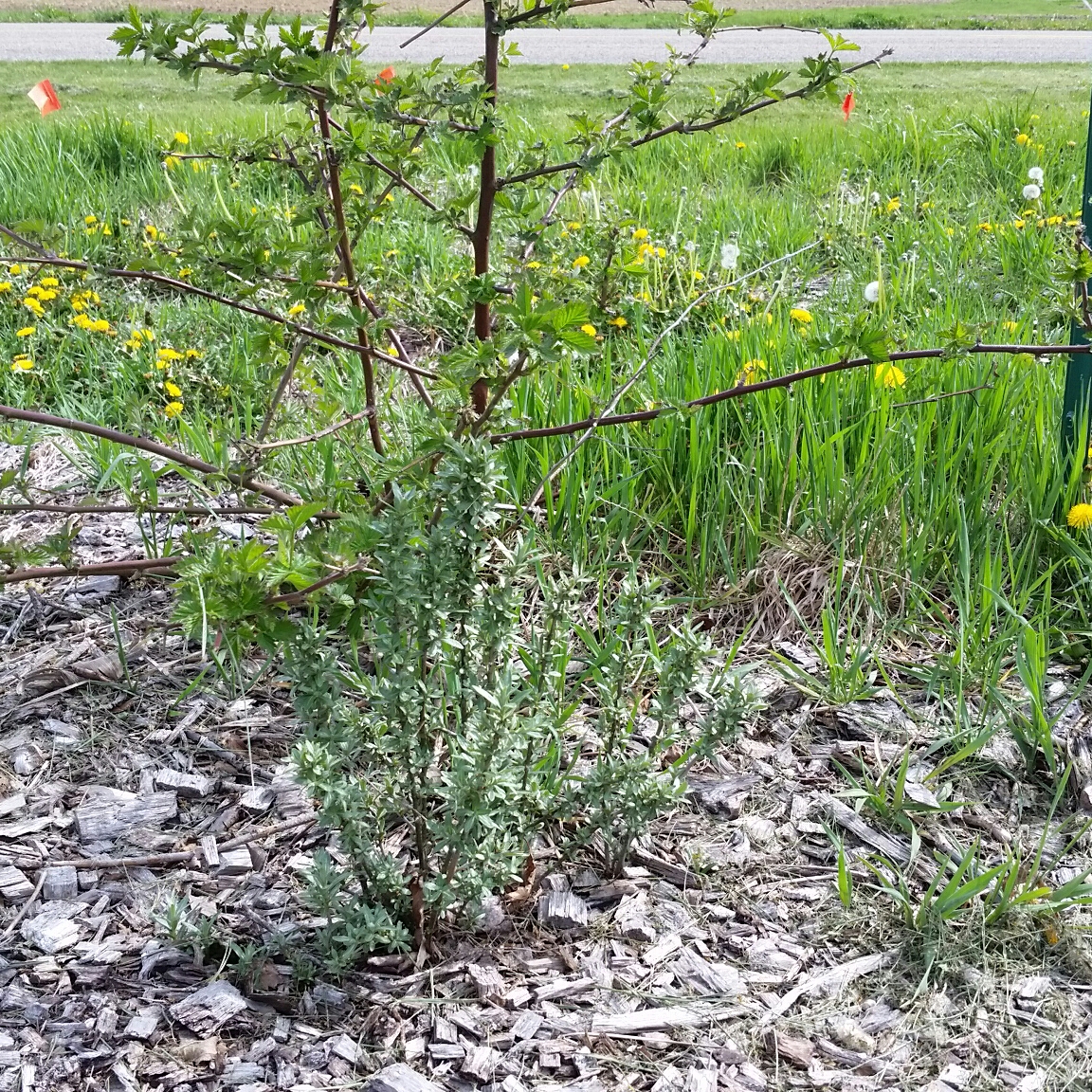
New sea berry sucker in front of our thornless blackberries.

Sometimes we let these ambitious kids stay where they popped up and sometimes we dig them up and move them to a new location.

When I dug up this sea berry, I did not expect it to have such a vast root system. Some of the roots stretched out 2 or 3′ from the base of this plant.

It’s only been growing for a year!

20160503_134418.jpg

Sea Berry Sucker that we transplanted in the southern swale.

We decided to transplant this little big guy to the southern swale in between an apple and a cherry tree. The roots have little white nodules all over them, which means that they fix nitrogen.
And plants love nitrogen.

In fact, they need it to survive and thrive. That’s why, if you go out to buy fertilizer there is usually an N-P-K ratio on the package. Nitrogen, phosphorus and potassium.

Each fertilizer will have a different percentage of each nutrient to fit a specific soil need. Some soils have almost no nitrogen, like ours. Some have plenty and need to be balanced with potassium or phosphate or both.

We bought a little soil test kit to figure this out, but have been considering having our soil professionally tested as it provides more accurate results.

complete fertilizer contains all three of these nutrients, while an incomplete fertilizer only supplies one or two.

Why? Because some soils have plenty nitrogen or plenty phosphorus or plenty potassium which makes using a complete fertilizer harmful to the plant.

Are there other nutrients that plants need? Absolutely, but in most cases these nutrients are already present in the soil, whereas nitrogen, phosphorus and potassium are often missing or lacking.

Nitrogen is missing
Phosphorus is too
Potassium is also gone
So what are we to do?

But most plants really need them
To really grow or thrive
They need us to provide them
To prosper and survive!

Pictures of a few other suckers we have running around.

20160503_143638.jpg

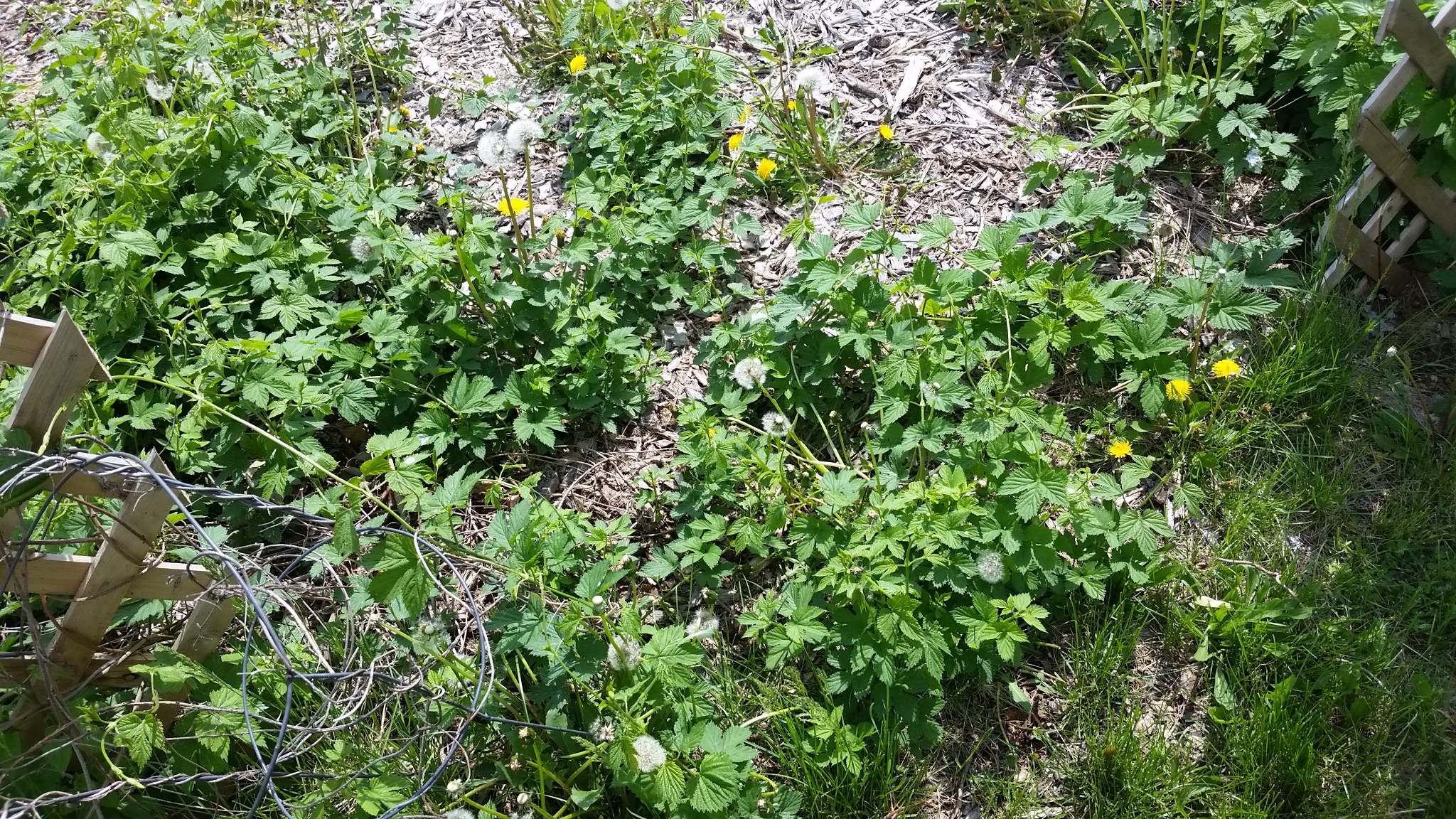
Hops

20160503_143506-1.jpg

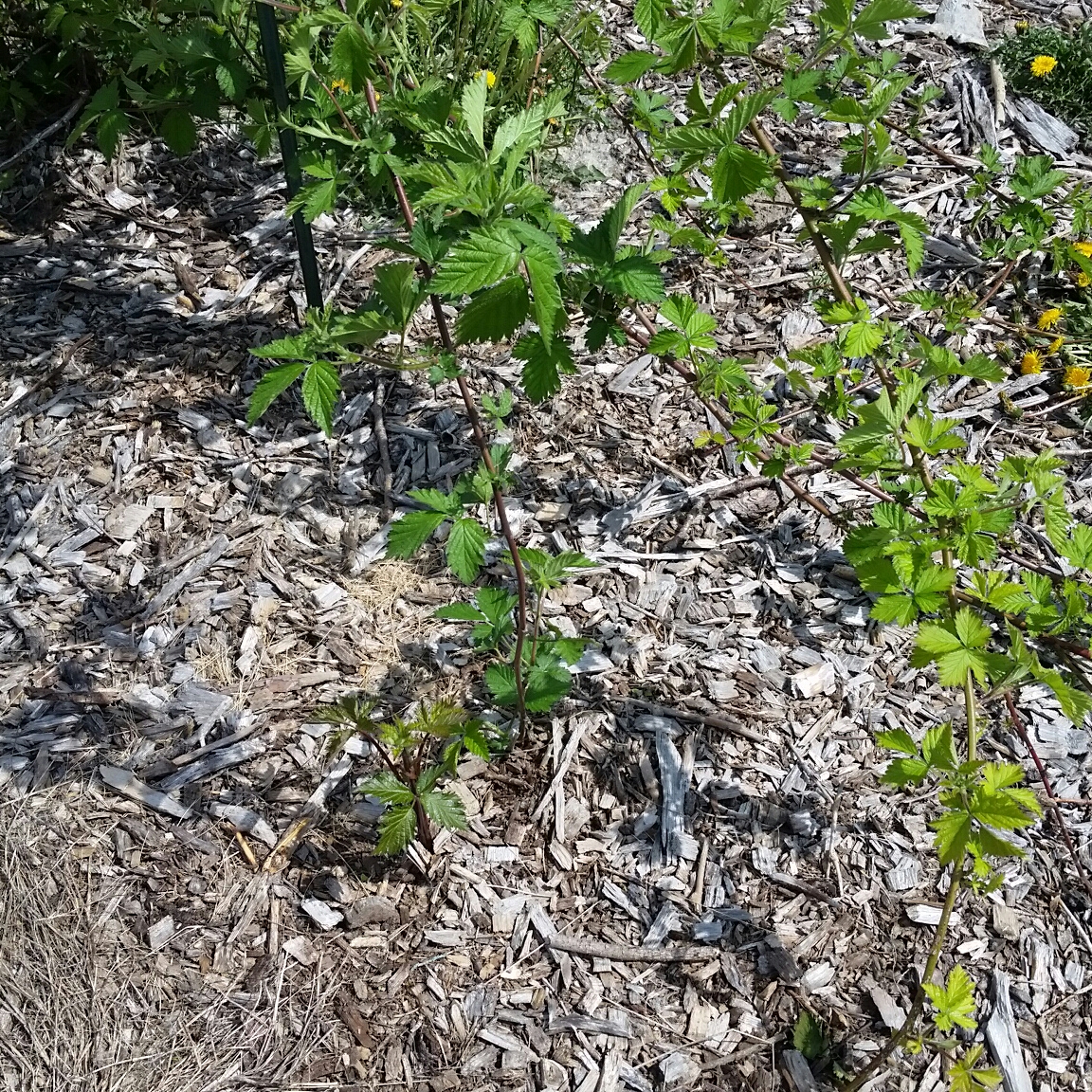
Blackberries, although these need a little help. When a vine gets too long, we stick the end in the soil and off she goes!

20160503_143513-1.jpg

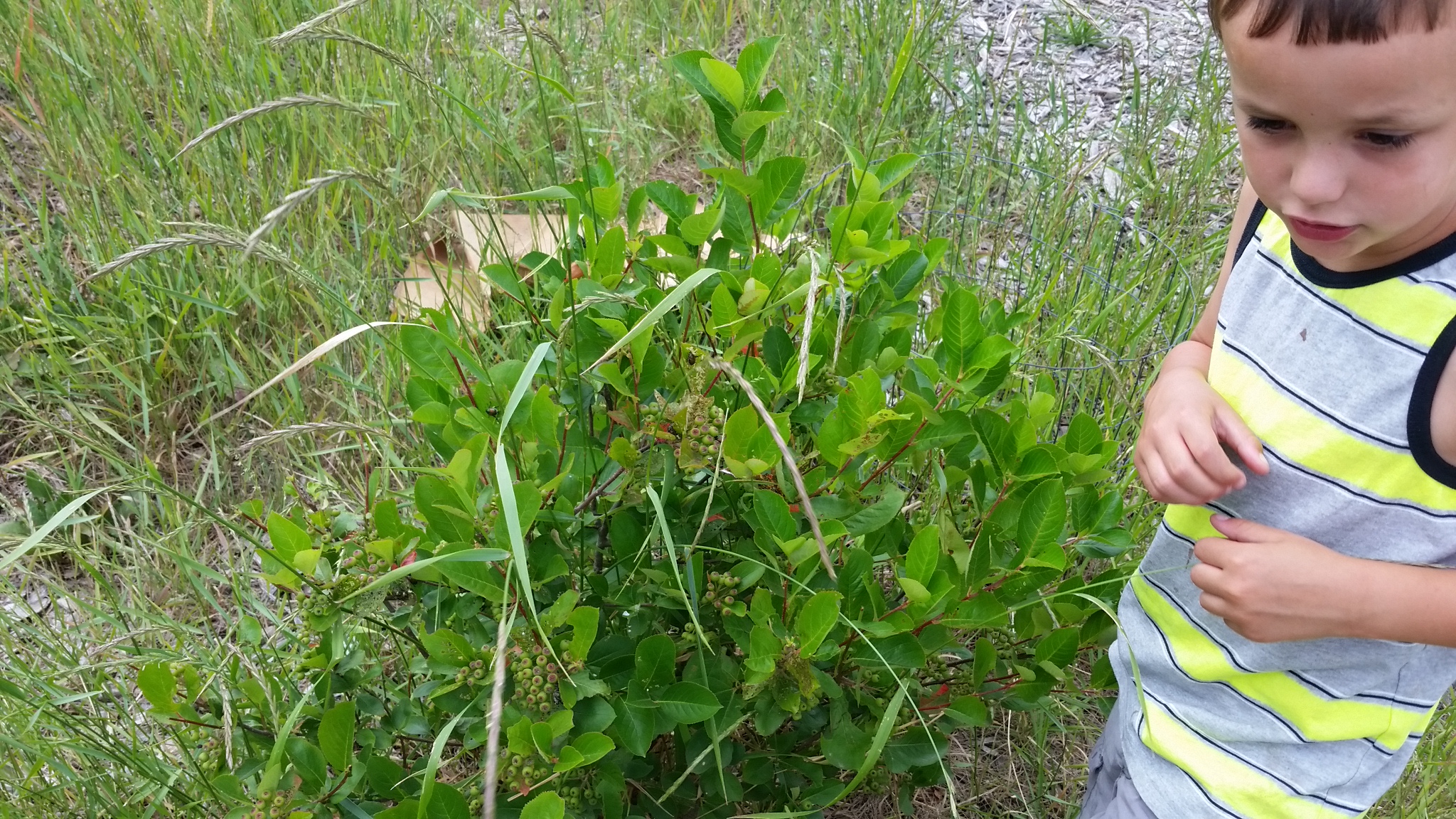
Aronia. It takes a little longer than the seaberry, but we have a few popping up in line with the others so we will leave them to fill out the fedge.